Beyond the Plug: 10 Surprising Facts You Didn’t Know About Electric Cars



Electric vehicles (EVs) feel like a futuristic technology poised to take over our roads. We associate them with high-tech dashboards, silent operation, and environmental benefits. However, the world of EVs is far more complex and has a much deeper history than most people realize. From 19th-century speed records to batteries that can power homes, the facts surrounding electric cars are often stranger than fiction.
Here are 10 surprising facts that will change the way you look at electric cars.
1. They Are Older Than Gasoline Cars
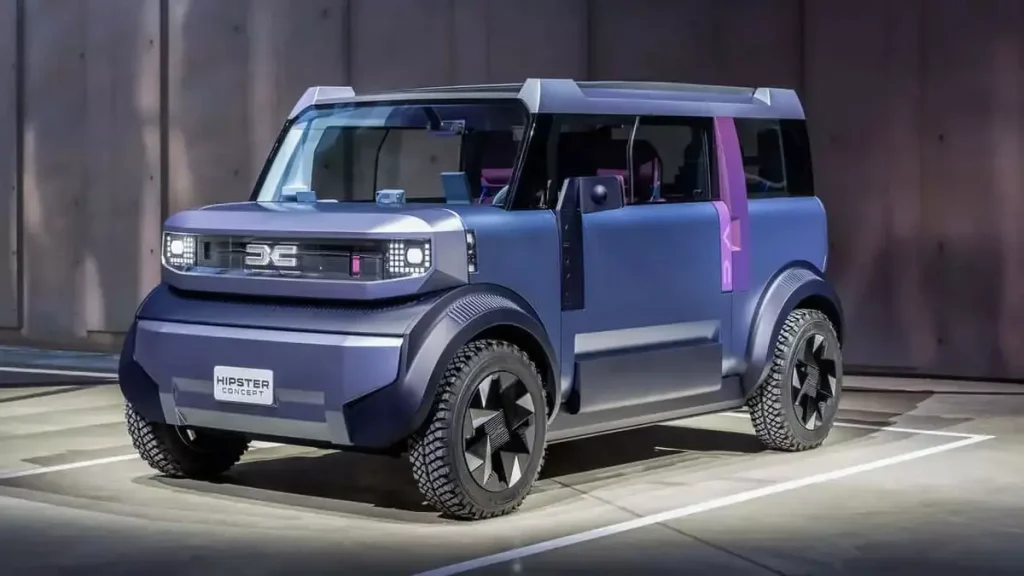
This is perhaps the most shocking fact: electric cars are not a 21st-century invention. The first crude electric carriage was built by Scottish inventor Robert Anderson around 1832. By the 1890s and early 1900s, EVs were immensely popular, accounting for about a third of all vehicles on the road. They were favored over their early gasoline-powered rivals because they were quiet, easy to operate (no hand-cranking), and didn’t produce foul-smelling exhaust.
2. An EV Was the First Car to Break 100 km/h

Everyone assumes the first speed demons ran on gasoline, but this record belongs to an EV. In 1899, a Belgian driver named Camille Jenatzy piloted his torpedo-shaped electric car, La Jamais Contente (The Never Satisfied), to a record-breaking speed of 105.88 km/h (65.79 mph). It was the first purpose-built land-speed-record car and proved the performance potential of electric motors over a century ago.
3. EVs Have Mind-Blowing “Instant Torque”
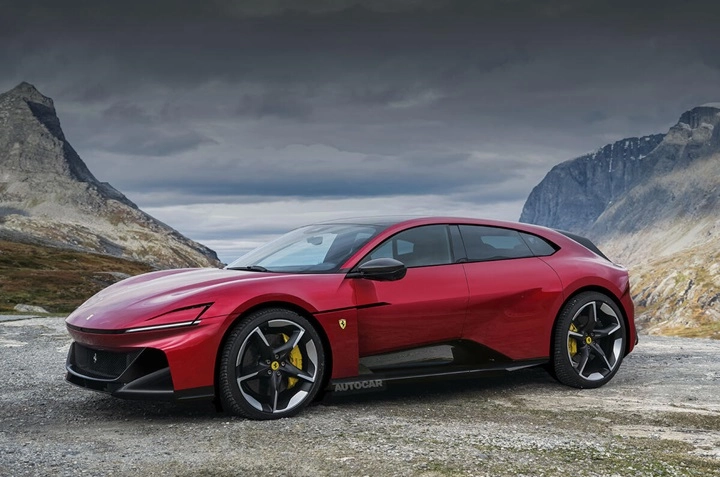
An internal combustion engine (ICE) needs to rev up to reach its maximum power. An electric motor does not. The moment you press the accelerator in an EV, 100% of its available torque (rotational force) is delivered to the wheels. This instant torque is why many standard electric family cars can accelerate faster from a standstill (0-60 mph) than high-performance gasoline sports cars.
4. They Are Legally Required to Make Fake Noise
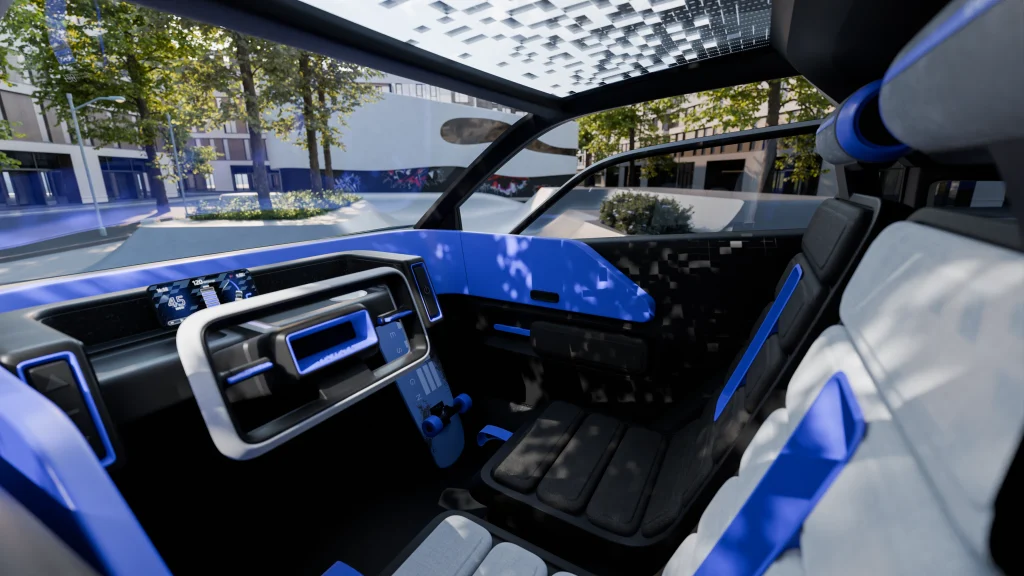
Electric cars are famously silent at low speeds. While this is a bonus for reducing noise pollution, it proved dangerous for pedestrians, cyclists, and visually impaired individuals who rely on engine sounds to detect approaching vehicles. As a result, regulations in the EU, US, and other regions now mandate that EVs must emit an artificial sound at low speeds (generally under 30 km/h or 20 mph). These systems are called Acoustic Vehicle Alert Systems (AVAS).


5. EV Batteries Are Incredibly Heavy

The key component of an EV is its battery pack, and it is a heavyweight. The battery for a Tesla Model 3 weighs around 480 kg (1,060 lbs). For larger vehicles, it’s even more extreme: the battery pack in a GMC Hummer EV weighs over 1,300 kg (2,900 lbs)—that’s more than an entire Honda Civic. This weight is a major challenge for engineers, but its low placement in the car’s frame also gives EVs a very low center of gravity, improving handling and stability.
6. They “Refuel” While Braking

One of the most brilliant engineering feats in an EV is regenerative braking. In a traditional car, when you hit the brakes, friction (from brake pads and rotors) slows the car down, and all that kinetic energy is wasted as heat. In an EV, lifting your foot off the accelerator or pressing the brake pedal causes the electric motor to run in reverse, acting as a generator. It captures the car’s momentum and uses it to recharge the battery, adding miles of range back to the car.
7. They Require Far Less Maintenance

An ICE vehicle has thousands of moving parts in its engine and transmission. It requires oil changes, spark plug replacements, timing belt services, and exhaust system repairs. An electric motor, by contrast, has very few moving parts (sometimes just one: the rotor). EVs do not need oil changes, have no spark plugs, no mufflers, and no catalytic converters. Even their brakes last longer thanks to regenerative braking doing most of the work.
8. EVs Are Drastically More Efficient
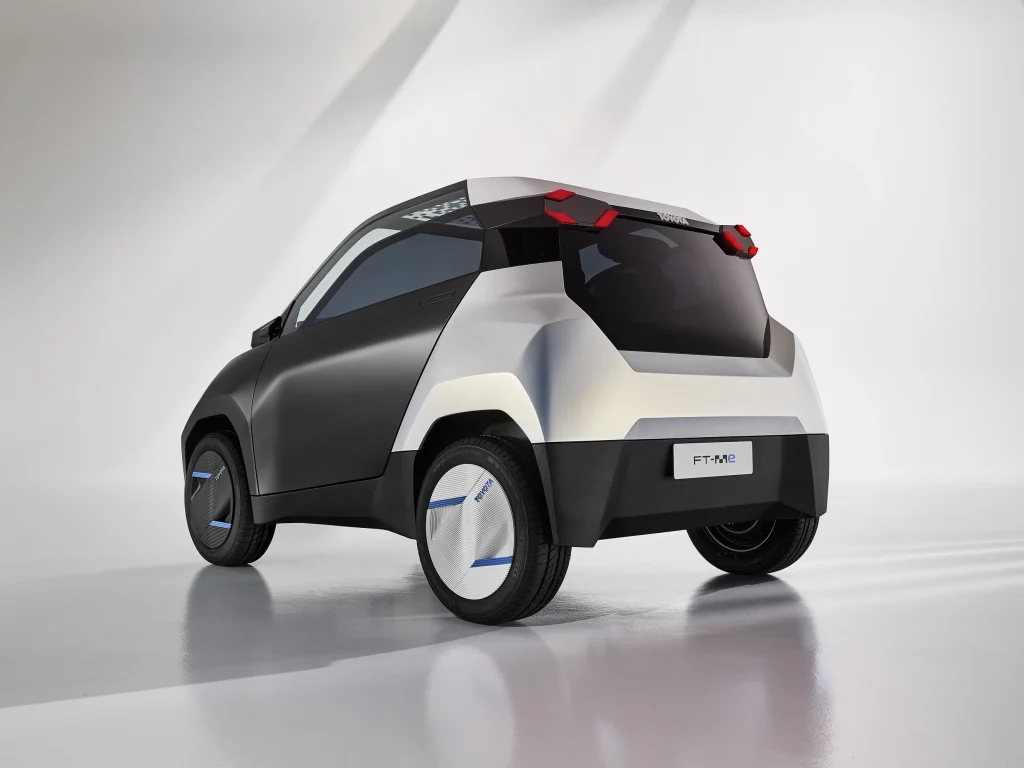
When you compare the “well-to-wheel” efficiency, EVs are clear winners. An EV converts about 85-90% of its electrical energy into power at the wheels. A gasoline car is shockingly inefficient, converting only 20-30% of the energy stored in gasoline to power; the other 70-80% is lost as waste heat and noise.
9. Their “Green” Credentials Have a Caveat
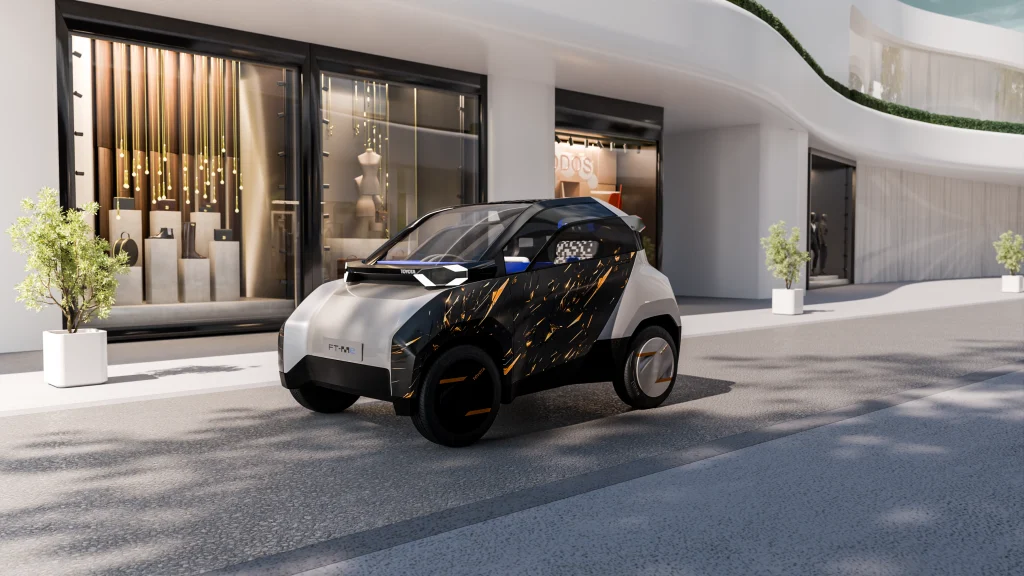
While EVs produce zero tailpipe emissions, they are not perfectly “green.” The manufacturing of their lithium-ion batteries is an energy-intensive process that also relies on the mining of raw materials like lithium and cobalt. This “embedded carbon” from production means an EV starts its life with a larger carbon footprint than a gasoline car. However, numerous studies show that after just one to two years of driving, the EV’s zero-emission operation completely offsets this initial footprint, making it the cleaner option over its lifetime.
10. Your Car Could Soon Power Your House
The massive battery in an EV is essentially a giant mobile power bank. New technology called Vehicle-to-Grid (V2G) is being developed to take advantage of this. With V2G, your car can do more than just take energy from the grid; it can give it back. During a power outage, your EV could power your entire home for days. In the future, you could even sell energy back to the grid during peak-demand hours (when electricity is most expensive), effectively earning you money while your car is parked.
You Might Also Like;