I was scrolling through the reactions to Nvidia’s recent GTC presentation, and honestly, I haven’t seen the gaming community this violently divided in a long time. We aren’t just arguing about frame rates or hardware prices anymore; we are arguing about the soul of video game art.
When Nvidia unveiled DLSS 5, they didn’t just announce a new way to make games run faster. They introduced an AI that actively redraws the game you are playing. And depending on who you ask in the industry right now, it’s either the greatest technical leap since real-time ray tracing, or a disrespectful “AI filter” that destroys an artist’s carefully crafted vision.
I’ve spent the last few days digging into the technical specs, developer comments, and the frankly chaotic comment sections. Let’s break down exactly what DLSS 5 is doing and why everyone is so fired up about it.
More Than Just Extra Frames: What is DLSS 5?


If you are familiar with previous versions of DLSS, you know the drill: the GPU renders the game at a lower resolution, and AI upscales it to make it look sharp, throwing in some generated frames to make gameplay buttery smooth. DLSS 5 throws that entire playbook out the window.
This isn’t just an upscaler anymore. It is a neural rendering engine that alters the visual makeup of the game in real-time. Here is what is actually happening under the hood:
- AI-Driven Lighting and Materials: The AI model analyzes the color and motion data of every single frame. It doesn’t just sharpen edges; it actively adds photorealistic lighting, shadows, and material properties that weren’t inherently baked into the game’s original assets.
- Scene Restructuring: It essentially remodels the visual output. Nvidia claims this system works seamlessly with 3D content, maintaining strict consistency between frames so you don’t get that weird “flickering” AI video effect.
- Developer Controls: Devs aren’t entirely locked out. Nvidia is providing tools to adjust effect intensity, tweak color settings, and apply masking, giving studios a say in how heavily the AI intervenes.
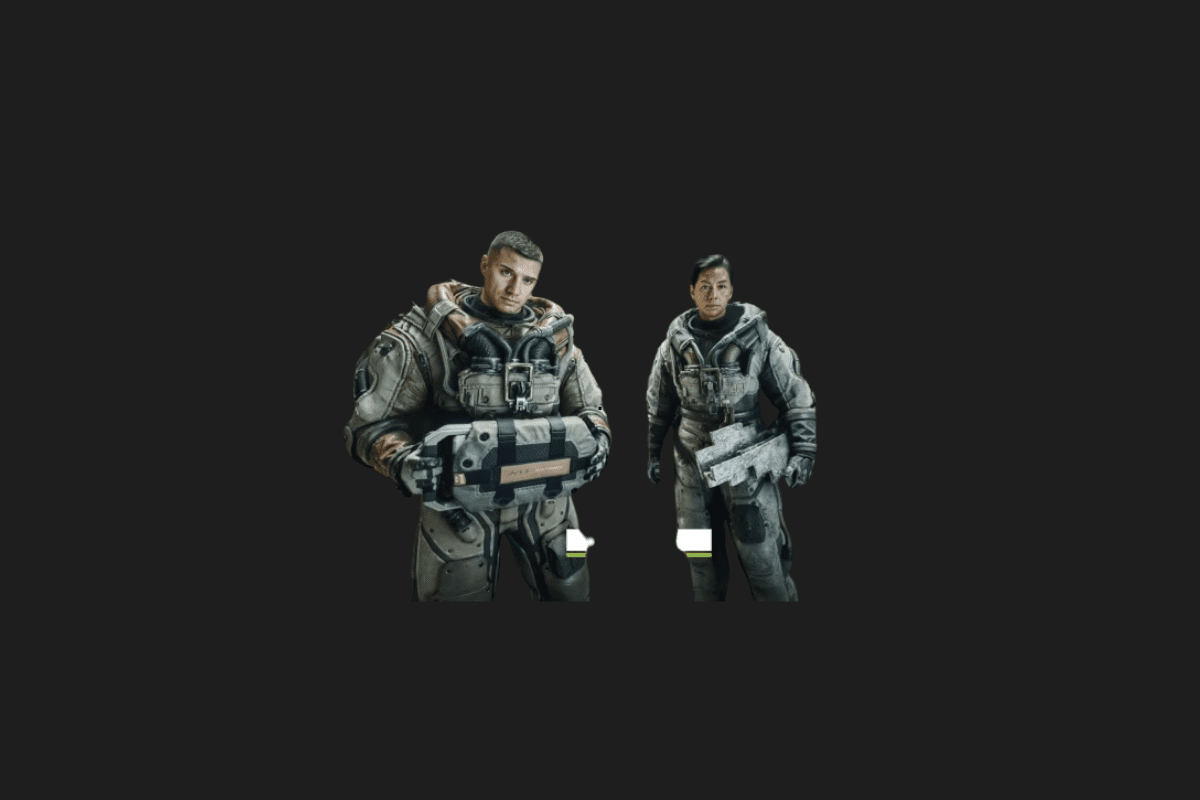
When I watched the demo footage for games like Resident Evil Requiem, Starfield, and Assassin’s Creed Shadows, I was genuinely taken aback. The environmental depth is staggering. But I also immediately noticed what the critics were talking about.
The “AI Filter” Backlash: Why Artists Are Furious


The pushback against DLSS 5 isn’t coming from hardware haters; it’s coming directly from the people who make our games. The core argument is that DLSS 5 prioritizes generic photorealism over intentional art direction.
Imagine a studio spending three years crafting a specific, moody, stylized aesthetic for a fantasy world. Now imagine a GPU driver laying a hyper-realistic gloss over it. A render engineer from Respawn recently called it out as just a “filter,” arguing that scenes completely lose their original artistic intent.
Jeff Talbot, a veteran concept artist, was even more brutal. He stated that this is absolutely not the direction gaming should be heading. His take was that art direction is being sacrificed for meaningless “detail,” and that every DLSS 5 frame he saw looked worse and had “less personality” than the original.
I have to admit, looking at the character models in the demo, I agree with them. The environments look incredibly deep, but the faces and character details often look like obvious AI generations—too smooth, overly glossy, and stripped of their original grit. It feels a bit like applying a heavy Instagram filter to a classical painting.
The Other Side: Is It Just Anti-AI Bias?
But let’s look at the other side of the coin. There is a strong contingent of industry veterans defending the tech. Jean Pierre (JP) Kellams, a highly experienced figure in the gaming space, pointed out something very interesting: if Nvidia had presented this exact same visual leap as a “next-gen hardware demo” without using the words Artificial Intelligence, gamers would be losing their minds with hype.
Kellams argues that a lot of the current backlash is rooted in the broader cultural anti-AI sentiment. And he has a point. If you strip away the buzzwords, the leap in lighting and shading calculation is objectively insane. The way light bounces off varied materials in the DLSS 5 demos is something standard rasterization just cannot achieve without bringing a top-tier PC to its knees.
Publishers Proceed with Caution
So, where do the actual game makers stand? Big names like Bethesda, Capcom, Ubisoft, Tencent, and Warner Bros. Games have already pledged support for DLSS 5. However, they are treading carefully.
Bethesda’s statement regarding Starfield was particularly telling. They quickly clarified that the footage shown was early-stage, and that their own art teams would be heavily involved in shaping the final visual impact. Most importantly for us gamers, they confirmed that DLSS 5 will be completely optional. You can turn it on for the hyper-realistic trip, or turn it off to see the original pixel-perfect vision.
My Final Take
I think it is way too early to declare DLSS 5 the death of video game art. We are judging unfinished technology based on curated tech demos.
Right now, the character rendering is definitely a weak spot—it screams “AI generated.” But the environmental lighting interactions are undeniably powerful. I see DLSS 5 not as an automatic replacement for art direction, but as a chaotic new tool that developers will eventually learn to tame.
What about you? When Starfield or Assassin’s Creed updates with DLSS 5, are you going to flip the switch for maximum photorealistic depth, or will you keep it off to experience the exact vision the artists painted? Let me know where you stand on this.
You Might Also Like;
- A Midnight Stroll with a Humanoid Robot: Why the Macau Incident Changes Everything
- Unitree PUMP MAX Review: The Ultimate Portable Smart Gym
- The End of an Era: Breaking Down the Epic Dune: Part Three Trailer
-

-
-
-

-

-

-

-

-

-
-

-