
The widespread adoption of electric vehicles has benefited silver and its investors the most. Indeed, the amount of silver used per vehicle has doubled in electric models. So, why is silver so important for electric vehicles? The automotive industry’s transition from internal combustion engines to electric powertrains has brought new standards in terms of metallurgy and materials science. In this transformation, silver (Ag) has begun to stand out as a hard-to-substitute industrial input due to its superior physical and chemical properties.
Naturally, this structural change in the sector has also directly affected the financial markets. When looking at analyst reports and the flow of breaking silver news, it is revealed that pricing is no longer shaped solely by the “safe haven” perception, but also by this increasing industrial demand data. So, why is silver indispensable for electric vehicles?
Physical Advantages of Silver and Technical Requirements

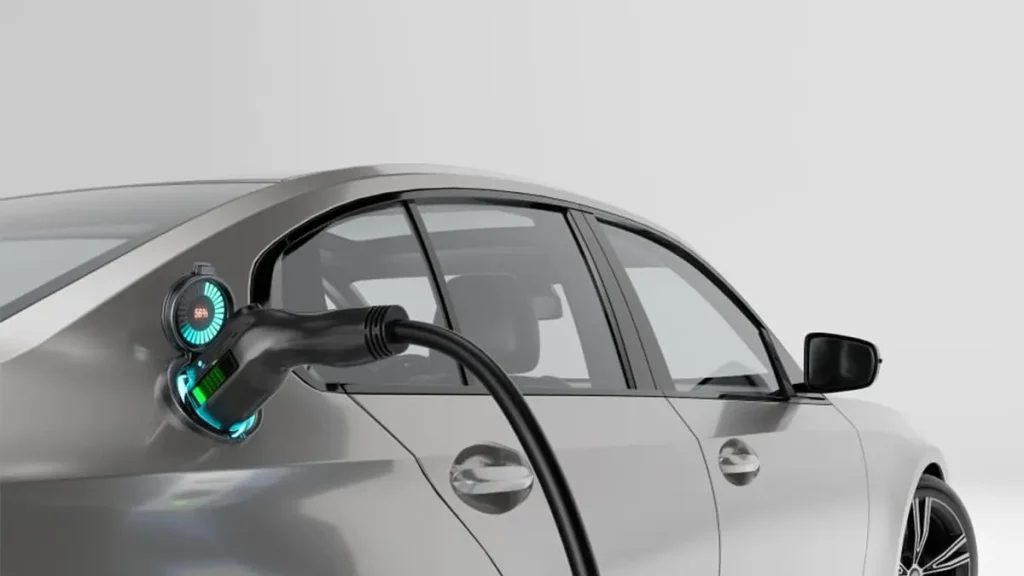
From an engineering perspective, silver offers distinct advantages compared to other conductors such as copper and aluminum. First and foremost, silver possesses atoms with the highest electrical conductivity among metals. This feature minimizes resistance losses during the transfer of battery energy to the wheels.
In Which Parts of Electric Vehicles is Silver Used?
Silver usage in electric vehicles is concentrated in the electronic infrastructure that forms the vehicle’s nervous system:
- Battery Management Systems (BMS): Battery packs of electric vehicles consist of thousands of interconnected cells. Silver plating technology is used in the management systems that track the voltage of these cells and in the inter-cell connection terminals. Silver helps prevent the battery from overheating by lowering contact resistance.
- Inverters and Power Modules: Inverters, which convert the direct current (DC) coming from the battery into alternating current (AC) that drives the electric motor, operate under high heat. The “Silver Sintering” technology used in these modules is much more resistant to high temperatures compared to classic soldering and extends the lifespan of the components.
- Semiconductors and Sensors: Autonomous driving radars, blind-spot warning systems, and airbag sensors must react within microseconds. To ensure this speed, silver-based conductive inks and pastes are used in microchips and circuit boards.
In What Quantities is Silver Used in Cars?
According to data published by The Silver Institute, the silver usage amounts per vehicle are as follows:
- Internal Combustion Engine (ICE): Average 15 – 28 grams.
- Electric Vehicle (EV): Average 25 – 50 grams.
These data reveal that if the automotive sector turns completely electric, the pressure on global silver reserves will technically increase. Let’s see how silver, which has already appreciated significantly in recent times, will perform in the coming years…
You Might Also Like;
- The Mystery of the Far Side: What Is Hiding in the Lunar Shadows? | Metaverse Planet
- The Doomsday Clock Hits 85 Seconds to Midnight: Are We Out of Time?
- Nvidia’s AI Can Now Predict the Future (Of Weather)
-

-
-

-

-

-

-

-

-

-

-

-

