
Electric vehicles are becoming increasingly common, and many people are wondering what they should pay attention to when it comes to charging. In this article, we’ve covered the important points for you.
Electric vehicles are becoming more widespread every year, and we’re seeing these silent, eco-friendly, and technologically advanced cars more frequently on the roads. Naturally, we’ve said goodbye to gas stations and are now “charging up” at home in our parking lots or at shopping malls.
So, in this relatively new field, what are the important points we need to consider? What should you pay attention to in order to maintain your car’s battery health for many years, and to charge safely and efficiently? What are the differences between home charging and public stations? Let’s start with the charging types: AC or DC?
There are fundamentally two ways to charge your electric car. Understanding these two types will help you make the best decision about where and when to charge.
1. AC (Alternating Current) Charging

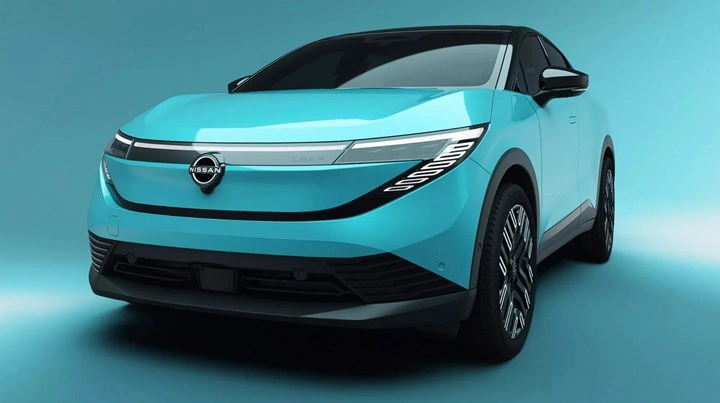
AC charging is the most common and basic charging method. The current coming from our home outlets is also alternating current. Therefore, AC charging is typically used at home, at work, or in shopping mall parking lots where you’ll be parked for an extended period.
- Advantage: It’s the most ideal method for battery health. It protects battery life in the long run by charging slowly without straining the battery. It’s also generally cheaper.
- Disadvantage: It’s slow. Depending on your car’s battery capacity, full charging times can range from a few hours to 10-12 hours. While very slow with household outlets (usually 2-3 kW), this time significantly shortens with Wallbox units (typically 7-22 kW).
2. DC (Direct Current) Charging


DC charging is also known as “fast charging.” These stations are usually found on intercity roads or at dedicated charging points in large cities. They convert AC current to DC internally and send it directly to the car’s battery at high power.
- Advantage: It’s incredibly fast. Depending on your car’s model and battery status, charging from 20% to 80% can be completed in as little as 20-40 minutes.
- Disadvantage: It heats up and stresses the battery more. Consistently using only DC fast charging can shorten battery life somewhat and is generally more expensive than AC charging.
How to Preserve Battery Health in Electric Cars?

Just like cell phones, electric car batteries don’t like to be fully discharged or constantly at 100% full. The ideal usage range is between 20% and 80%. For daily use, limiting your charge to 80% and only charging to 100% before long journeys is the healthiest approach.
While DC fast charging often saves you time, it shouldn’t become a habit. It’s recommended to do your routine charging at home or work with AC, and to reserve DC charging only for long trips and emergencies.
Try to avoid charging your car in extreme heat or freezing cold as much as possible. Especially in hot weather, parking in the shade and plugging in will help the battery heat up less. While modern vehicles manage battery temperature themselves, taking precautions is advisable.
Is It Mandatory to Install a Wallbox for Home Charging?
It’s not mandatory, but recommended. Charging with a normal household outlet (grounded outlet) is very slow and can strain your home’s electrical system due to constantly drawing high current. A Wallbox offers a much faster (typically 3-4 times) and significantly safer charging experience thanks to its dedicated fuses and protection circuits.
Does DC Fast Charging Really Harm the Battery?
It doesn’t “harm” it, but it does wear it down. Continuous and exclusive use of DC fast charging puts more strain on the battery chemistry, causing its lifespan (capacity) to decrease slightly faster than normal.
You Might Also Like;
-

-
-

-

-

-

-

-

-

-

-

-

