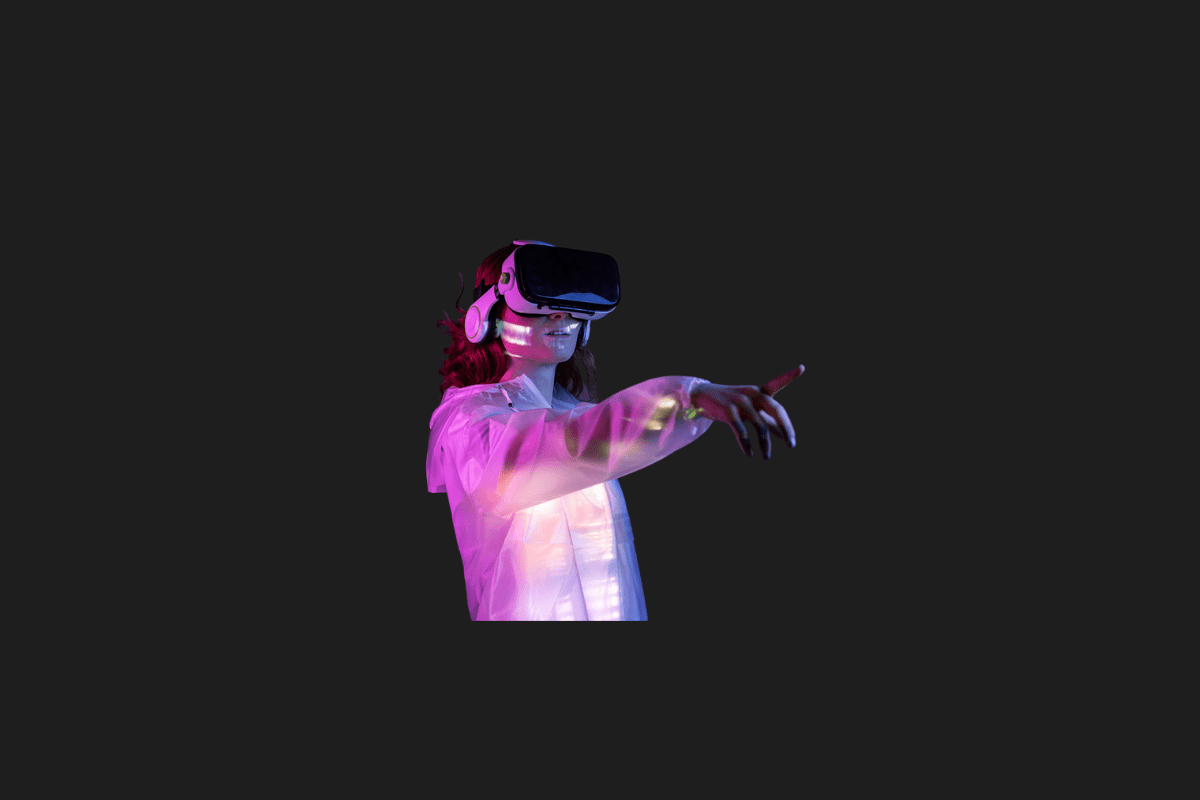
The way we interact with the internet is changing. We are moving from looking at screens to living inside the internet. At the heart of this transition is a piece of hardware that acts as the key to the digital kingdom: Metaverse Glasses.
But what exactly are they? Are they just gaming headsets, or are they the next smartphone? Here is everything you need to know about the smart eyewear shaping our future.
Defining Metaverse Glasses


In simple terms, Metaverse glasses are wearable devices that allow users to enter and interact with the Metaverse—a persistent, shared, 3D virtual space.
Unlike traditional monitors or smartphones, these glasses provide an immersive experience. They track your head movements (and often your eyes and hands), making you feel like you are physically present inside a digital environment rather than just watching it.
The Three Main Types of Metaverse Eyewear

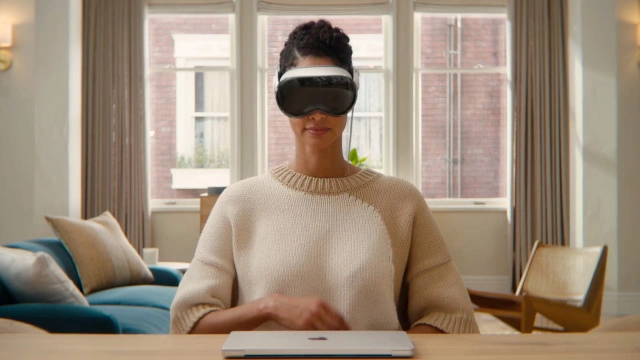
To understand this technology, we must distinguish between the different categories currently on the market:
1. Virtual Reality (VR) Headsets
These fully block out the real world. When you put them on, you are transported entirely to a digital environment.
- Best for: Immersive gaming, virtual travel, and deep focus work.
- Examples: Meta Quest series, HTC Vive.
2. Augmented Reality (AR) Glasses
These glasses have transparent lenses. They overlay digital information (like holograms, notifications, or maps) onto the real world without blocking your view.
- Best for: Everyday use, navigation, and productivity.
- Examples: XREAL Air, Ray-Ban Meta Smart Glasses (audio/camera focus).
3. Mixed Reality (MR) Headsets
This is the cutting edge. These devices use cameras to capture the real world and blend it seamlessly with virtual objects. You can see your physical living room, but a virtual dragon could be sitting on your real couch.
- Best for: Spatial computing and advanced professional design.
- Examples: Apple Vision Pro, Meta Quest 3.
Key Features to Look For

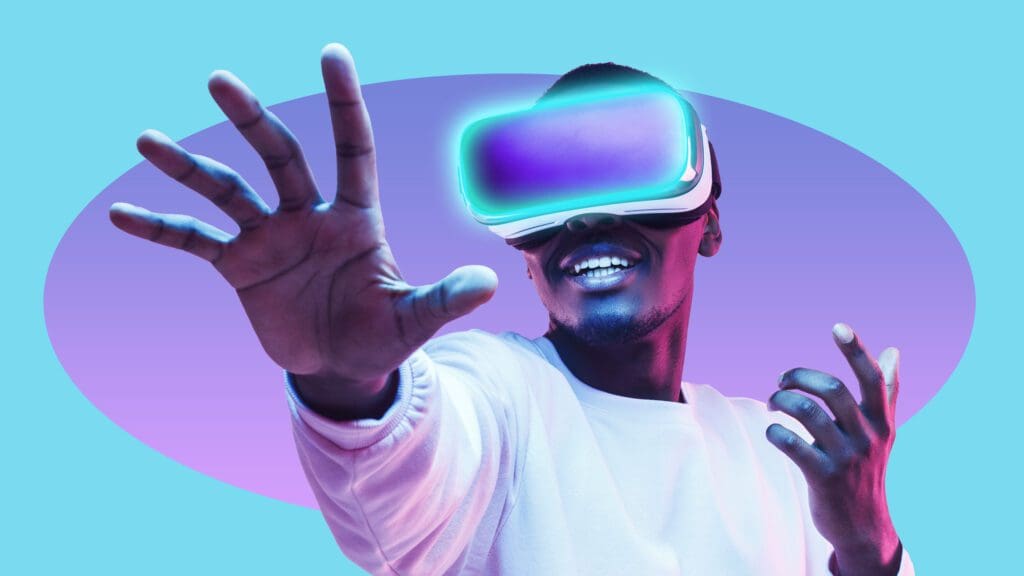
As technology advances, Metaverse glasses are becoming lighter and more powerful. Here are the features defining the current generation:
- Spatial Audio: Sound that mimics real life. If a virtual character speaks from behind you, the sound actually comes from behind you.
- Hand and Eye Tracking: Controllers are becoming optional. New devices allow you to navigate menus just by looking at them or pinching your fingers.
- Passthrough Technology: High-resolution cameras on the outside of the headset allow you to see the real world in color, blending physical and digital realities instantly.
How Will They Change Our Lives?

Metaverse glasses aren’t just toys; they are tools.
- Virtual Workspaces: Imagine sitting in a coffee shop but having three massive virtual monitors floating in front of you. This is the “Infinite Office” concept.
- Social Connection: Instead of a video call on a flat screen, you can sit in a virtual room with a 3D avatar of your friend, making eye contact and sensing their presence.
- Education: Medical students can practice surgery on 3D holograms, and history students can walk through ancient Rome.
The Future of Smart Eyewear
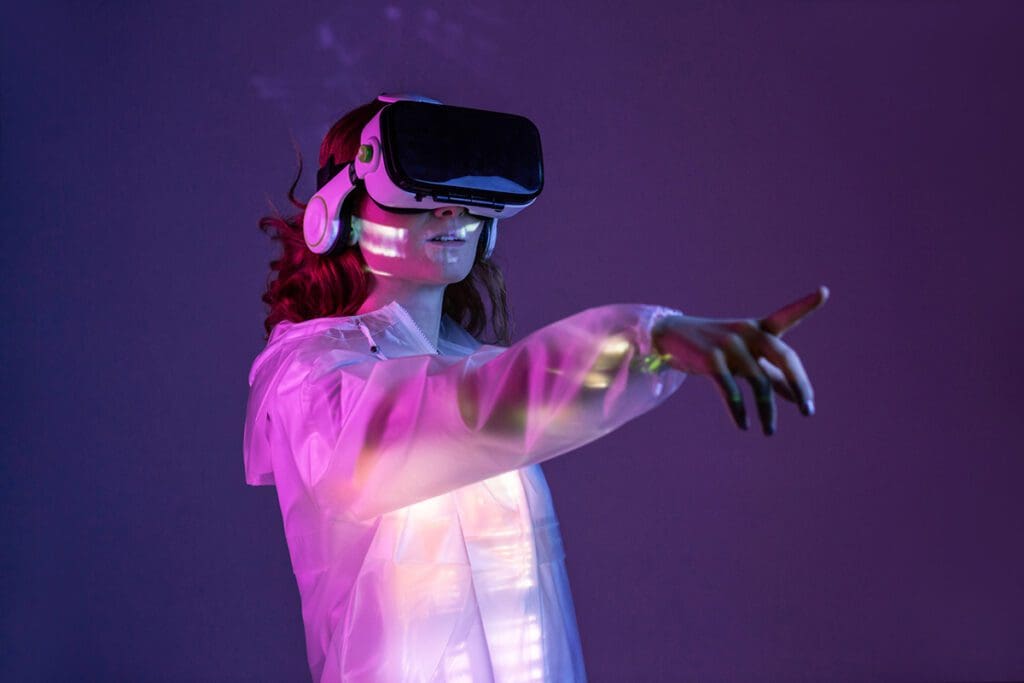
We are currently in the “brick phone” era of Metaverse glasses. In the coming years, we expect these devices to look just like ordinary prescription glasses—lightweight, stylish, and capable of replacing your smartphone entirely.
Whether for gaming, work, or socializing, Metaverse glasses are set to become the most personal computer we have ever owned.
You may also like this content
-

-

-

-

-

-

-

-

-

-

-

-