
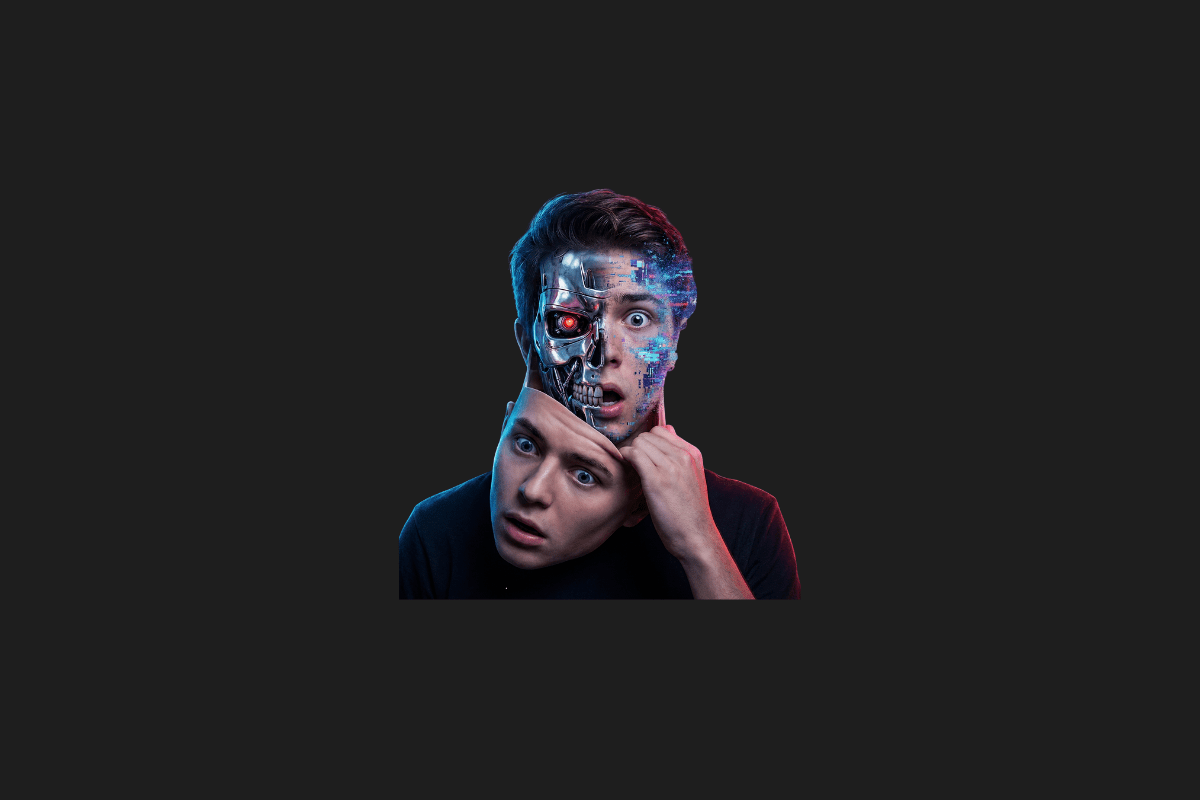
I’ve been following the tech world for a long time, but walking through the halls of CES 2026 felt different this year. There’s an electric tension in the air, a feeling that we are standing on the edge of a massive shift. While many were distracted by the latest transparent screens, I was focused on the stage where Nvidia CEO Jensen Huang dropped a bombshell: he believes humanoid robots will reach human-level capabilities within this year.
Honestly, when I first heard him say it, I had to do a double-take. We’ve heard big promises before, but coming from the man who basically fueled the AI revolution with his chips, you can’t just brush it off. Jensen isn’t just talking about robots that can walk; he’s talking about robots that can perceive and act with a level of intuition we once thought was decades away.
The Vision: Why Jensen Thinks 2026 is “The Year”

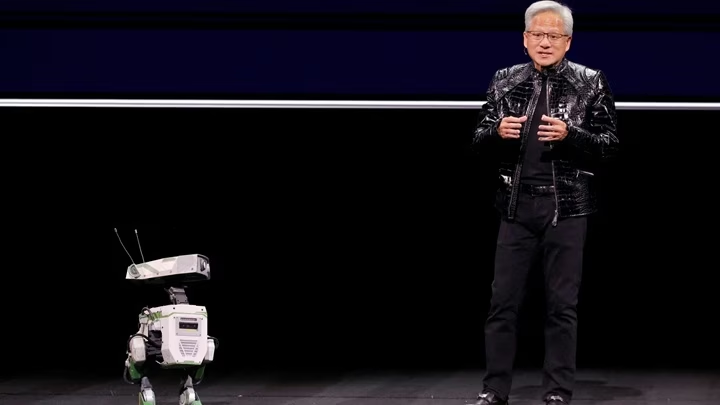
During a Q&A session in Las Vegas, Jensen looked genuinely excited. He told Sky News, “I know how fast technology is moving. You’re going to witness very impressive developments.”
But what’s driving this optimism? It’s not just the hardware. For me, the real secret sauce is simulation. Nvidia has been building the “gyms” where these robots train—virtual worlds (Digital Twins) where a robot can practice a task a million times in a single second before ever stepping onto a real factory floor.
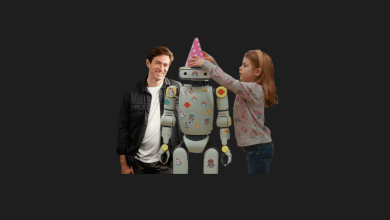
At the event, I saw Jensen standing next to small robots that moved with a frighteningly natural fluidity. They didn’t look like the clunky machines of five years ago. They had a sense of environmental awareness that felt almost alive.
Enter the “AI Immigrants”
One of the most interesting parts of Jensen’s talk was how he framed the “robots taking jobs” debate. Instead of a threat, he sees them as a solution to a global crisis. He used the term “AI immigrants.” Think about it:
- Global populations are aging.
- The labor force is shrinking in key sectors.
- There is a massive “work gap” that humans simply aren’t filling anymore.
I find this perspective fascinating. Jensen argues that these robots won’t cause mass unemployment; they will fill the void left by a declining workforce. It’s a bold way to rebrand automation, and to be honest, it makes a lot of sense if you look at the demographic data.
The Reality Check: Hardware is Still the Hard Part
I’m an optimist, but I also like to keep my feet on the ground. While Jensen is focused on the “brain” (the AI), there are some serious “body” issues we need to talk about.
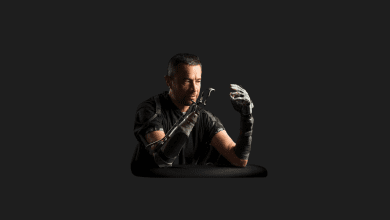
I was chatting with some engineers after the keynote, and the consensus is that software is actually ahead of hardware right now. Anthony Nieves, CEO of Plus Robotics, pointed out something crucial: we are missing the tiny, high-precision motors and actuators needed to mimic human delicacy.
The “Hand” Problem:
- The Complexity: A human hand has thousands of sensors and a level of pressure sensitivity that is incredibly hard to replicate.
- The Success Rate: Current robot hands can grab a box 100% of the time. But ask them to pick up a spoon or use a screwdriver? That success rate drops to about 30%.
- Elon Musk’s Admission: Even Tesla, with all its resources for the Optimus robot, admits that the forearm and hand design is an “extraordinary engineering problem.”
It’s one thing to have a robot that can think like a human; it’s another to have one that can tie a shoelace or fix a leaky faucet without breaking it.
The Skeptics: Is 2026 Too Early?


Not everyone is buying Jensen’s timeline. Legendary robotics expert Rodney Brooks has been quite vocal about this. He believes we won’t see true human-level dexterity until well after 2036.
I tend to land somewhere in the middle. I think we will see “human-level” performance in structured environments (like a warehouse or a factory line) this year. But in the chaos of a real home? That’s a different story.
Why Your House Isn’t Getting a Robot Maid Just Yet
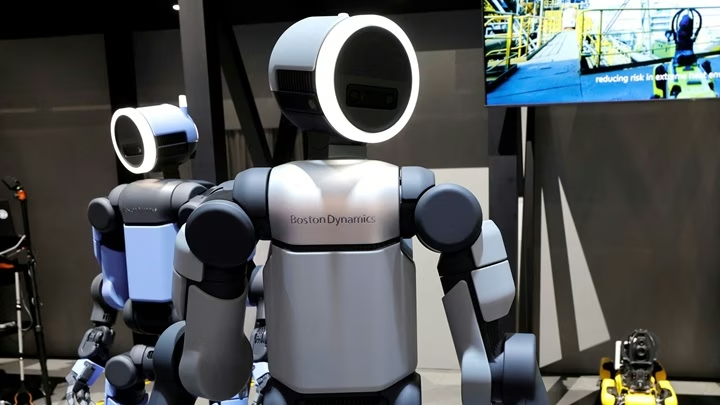
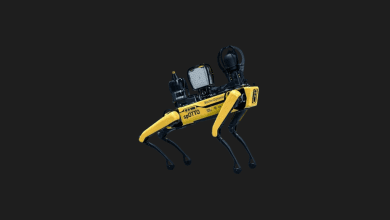
If you’re hoping to buy a robot to fold your laundry by Christmas, you might want to wait. The consensus among companies like Boston Dynamics is that homes are just too messy and unpredictable for current tech.
Here is the projected timeline I’m seeing:
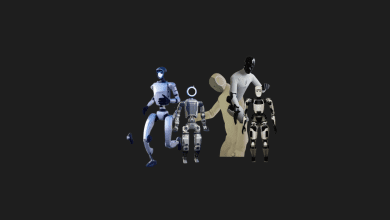
- 2026-2027: Humanoids become common in highly controlled industrial settings (heavy lifting, repetitive assembly).
- 2028-2030: They move into more complex logistics and retail environments.
- Early 2030s: This is when they might become affordable and safe enough for domestic use.
Boston Dynamics CEO Robert Playter seems to agree. Their focus has shifted heavily toward industry because that’s where the value—and the safety—is right now.
My Take: The Bridge Between Sci-Fi and Reality


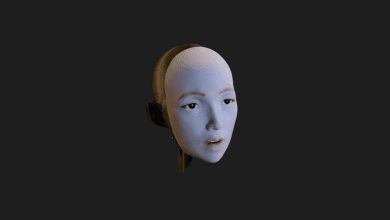
I’ve spent the last few days looking at these machines, and I’ve realized that we’re moving away from the “uncanny valley” and into something practical. Jensen Huang isn’t just selling chips; he’s selling a future where the line between “digital” and “physical” disappears.
While I don’t think a robot will be able to cook me a 5-course meal by December, I do think we’re going to see a robot perform a task this year that makes us all go, “Wait, it can really do that?”
The hardware bottleneck is real, but never underestimate the power of AI to find workarounds. Maybe the robots won’t need “human-like” hands to do human-level work. Maybe they’ll find their own way.
I’m curious, though—if you could have a humanoid robot in your house tomorrow, but it could only do ONE chore perfectly, what would you pick? For me, it’s definitely the dishes. Let me know what you think!
You Might Also Like;
- A Century-Old Aviation Dream Reborn: The Channel Wing VTOL Takes Flight
- The Dawn of the Automated Battlefield: How Ground Robots Are Redefining Warfare
- The Insatiable Hunger of AI: Why Tech Giants Are Chasing Natural Gas
-
-

-
-
-

-

-
-

-
-

-
-
