
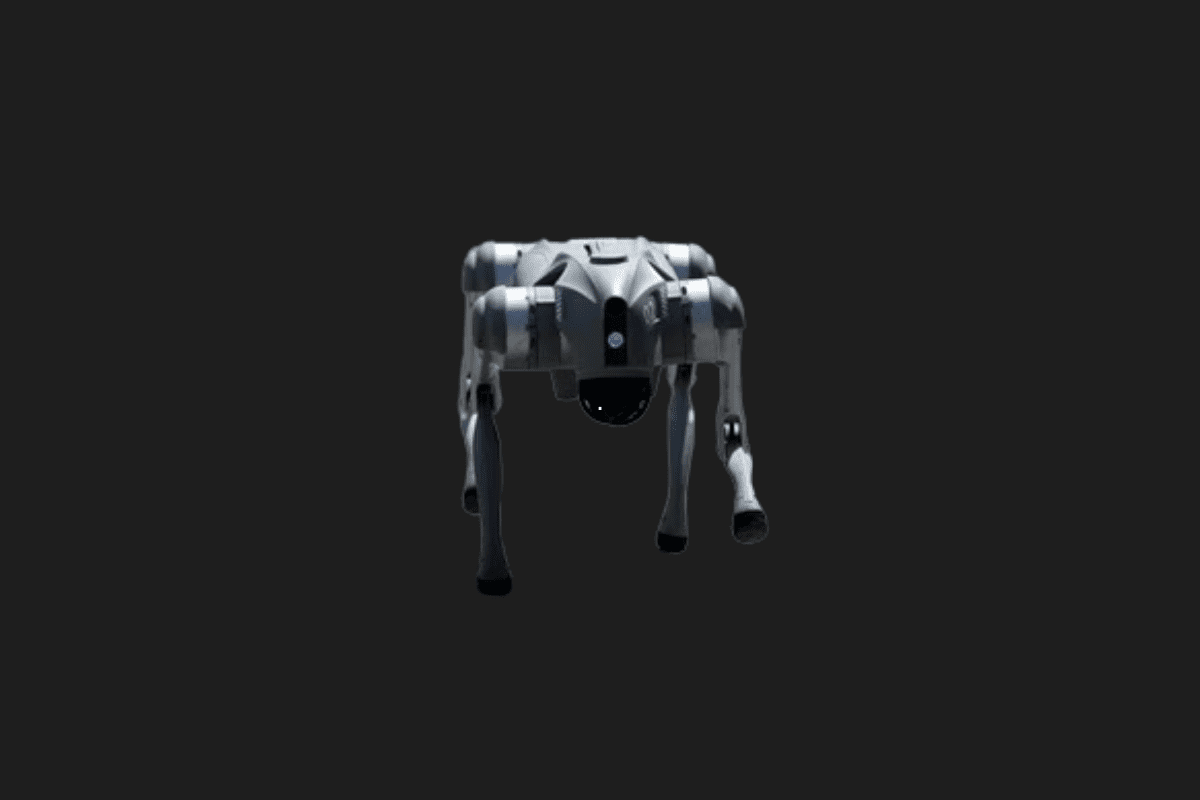
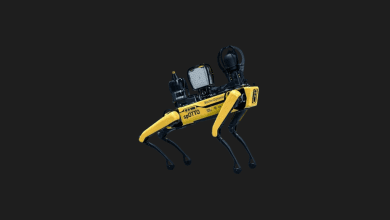
I still remember the first time I watched those viral videos of Spot, the yellow robot dog from Boston Dynamics. It felt like a mix of awe and a slight shiver down my spine. We laughed at them slipping on banana peels or dancing to pop songs, treating them like distant sci-fi toys. But let’s be honest with ourselves: that era of “watching from afar” is over.
Whether we are ready to accept it or not, robots are no longer just prototypes in a lab; they are walking into our streets, our stadiums, and our lives.
The latest proof of this inevitability comes from Mexico. As we gear up for the next FIFA World Cup, the conversation isn’t just about offside traps or penalty kicks anymore—it’s about robotic surveillance. The municipality of Guadalupe in Monterrey has decided to deploy robot dogs to patrol the streets during the tournament.
This isn’t a scene from Black Mirror. This is happening now. And as a tech enthusiast who has been tracking the Metaverse and robotics integration for years, I have to say: this is a pivotal moment.
The New Recruits: The “K9-X” Unit

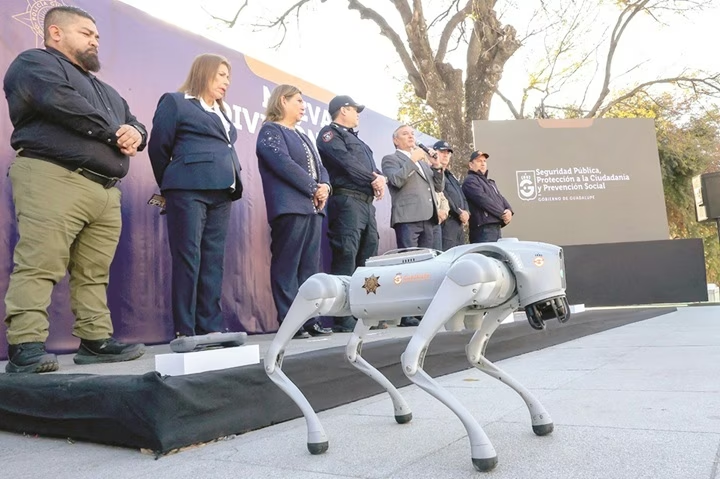
So, what exactly is happening in Guadalupe? The local police force isn’t just hiring more officers; they are bringing in reinforcements made of metal, sensors, and code. They have purchased four quadrupedal robots to form the “K9-X unit.”
Here is the breakdown of the situation that really caught my attention:
- The Cost: The municipality spent approximately $145,000 on these four units. That is a significant investment in public funds, signaling that they view this as a necessity, not a gimmick.
- The Mission: These aren’t just for show. They are designed to enter “high-risk zones” before a human officer does. Think of cramped spaces, potentially volatile altercations, or areas with poor visibility.
- The Tech: We are talking about advanced cameras, night vision lenses, and a chassis built to handle rough terrain. Stairs? Debris? These bots can handle it.
I find the “human-first” approach here fascinating. The primary goal stated by Guadalupe Mayor Hector Garcia is to keep human officers out of harm’s way during the initial contact. If there is a suspect with a weapon or a brawl involving intoxicated fans, the robot goes in first. It creates a buffer zone between the danger and the human life.
More Than Just a Moving Camera

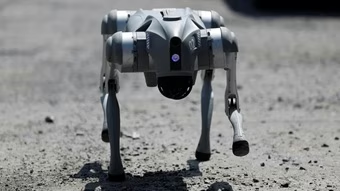
What differentiates these from a simple drone or a CCTV camera is the interactive capability.
During a demonstration I reviewed, one of these robots entered an abandoned building, navigated the debris, and located a “suspect.” But it didn’t just film him; it used onboard speakers to issue commands, telling the suspect to drop their weapon.
Crucial Detail: These robots are UNARMED. This is a massive point of distinction. They are tools for surveillance, communication, and risk assessment—not for lethal force.
The Inevitable Integration: Why Resistance is Futile

This brings me to the core of what I want to discuss today. There is often a knee-jerk reaction to reject this kind of technology. We shout about privacy, we worry about “RoboCop” scenarios, and we feel uneasy about machines enforcing laws.
But here is my perspective: We cannot stop the tide. The technology exists, it is effective, and it is becoming affordable.
When I look at the logistics of a massive event like the World Cup, the utility is undeniable.
- Crowd Control: How do you monitor hundreds of thousands of fans without being intrusive? A robot dog at knee-height is less intimidating than a tank but more mobile than a camera.
- Safety: If a robot can take a bullet (or a beer bottle thrown by an angry fan) instead of a human father or mother serving in the police force, isn’t that a trade-off we should accept?
The “Uncanny Valley” of Policing
However, I won’t pretend it’s all sunshine and rainbows. There is a psychological barrier we have to cross. Seeing a dog—an animal we associate with loyalty and warmth—replaced by a faceless machine patrolling our streets creates a cognitive dissonance.
I believe the success of this Mexican experiment won’t depend on the robot’s battery life or camera resolution. It will depend on public trust. If people see these bots as helpers (like a robotic St. Bernard), they will stay. If they see them as oppressors, we will see them vandalized and destroyed within the first week of the tournament.
What This Means for the Future


The deployment in Guadalupe is a test run for the rest of the world. If this works—if these robots successfully de-escalate conflicts and keep officers safe without causing public outrage—you can bet your bottom dollar that we will see them in Paris, New York, Istanbul, and Tokyo shortly after.
We are transitioning into a hybrid society.
- Augmented Security: Humans making decisions, AI/Robots gathering data.
- Remote Presence: Officers patrolling dangerous beats from the safety of a control room.
- Data-Driven Policing: Every interaction recorded, analyzed, and stored.
I sometimes miss the simplicity of the old days, but I am also an optimist. If these tools are used responsibly (a big “if,” I know), they could make mega-events safer for everyone.
Final Thoughts
The robot dogs are coming to the World Cup. They won’t be playing soccer, but they will be watching us cheer. As we move closer to 2026, the line between science fiction and municipal policy is blurring.
I am ready to see how they perform in the real world, outside of controlled tech demos. It is time we stop asking “will they replace us?” and start asking “how do we work alongside them?”
So, I have to ask you: If you were in a crowded stadium and a fight broke out, would you feel safer seeing a robot dog rushing to the scene first, or would you prefer a human officer?
You Might Also Like;
- The Dark Side of Nanotechnology: Could Microscopic Swarms Erase Billions?
- The Illusion of Digital Immortality: Are You Really Uploading Your Mind?
- The View That Changes Everything: Artemis 2’s Deep Space Eclipse
-
-

-
-
-

-
-
-

-
-

-
-
