Automation, artificial intelligence (AI), and digital transformation are fundamentally changing the business world. By 2030, many professions—from tax consultancy and cashiering to taxi driving and warehouse work—face the threat of disappearing from the stage of history. However, this transformation is also opening the door to new opportunities. Here are the details…
Professions are transforming in the age of technology. While artificial intelligence is replacing tax specialists, cashiers, and drivers; robotics engineering, cybersecurity, autonomous systems, and digital transformation fields are on the rise. By 2030, 30% of professions will be completely changed.
The Impact of Artificial Intelligence and Automation on Future Professions

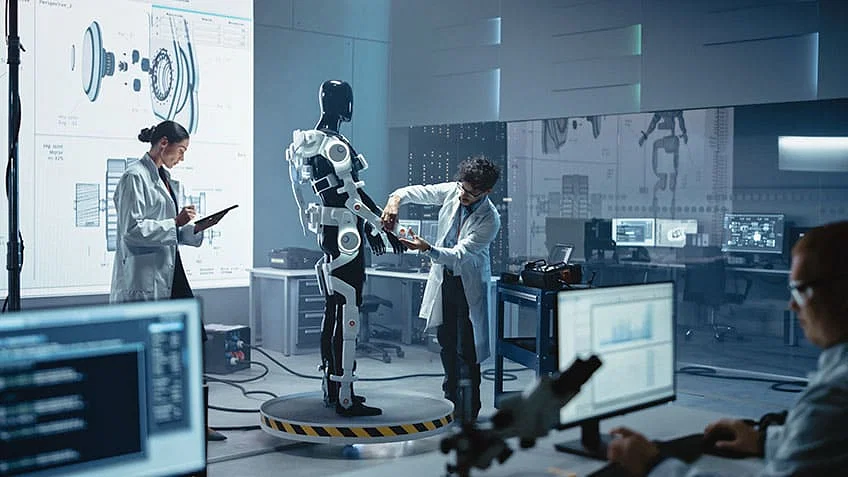
The rapid development of artificial intelligence and automation technologies has begun to deeply affect many professional groups. Especially in sectors with a high density of repetitive tasks, the need for human labor is decreasing while software-based solutions are coming to the forefront. Tax software, autonomous vehicles, smart warehouses, and automated payment systems are among the most prominent examples of this transformation.
As AI algorithms become more complex, human error becomes an even more critical issue. For this reason, individuals can now prepare their tax returns themselves with software support. By 2030, about 20% of jobs in this field are expected to disappear. A similar change is happening in train technology. Thanks to smart control systems, trains are now managed with less human intervention. Advanced sensors can detect cracks or fractures in wheels, preventing potential accidents. This situation reduces the need for traditional locomotive engineers.
In warehouses, robots are taking the stage. These machines, which can perform inventory management continuously and flawlessly, are beginning to replace warehouse workers. The rapid delivery demands of e-commerce are accelerating this automation process. In the retail sector, automated payment systems are becoming widespread. Experts predict that the profession of cashiering will largely disappear by 2030. Similarly, driverless vehicles and ride-sharing applications are threatening traditional taxi driving. Some major cities have already begun testing these technologies.
In the food and beverage industry, robot chefs and automated ordering kiosks are coming to the forefront. These systems, which provide fast and error-free service, are reducing the need for human labor in fast-food restaurants. With advanced voice recognition technologies, it is expected that all processes, from ordering to service, will be fully automated in the near future.
Even in the world of sports, artificial intelligence is showing its impact. Video-assisted refereeing (VAR) systems minimize human error, increasing reliability in decision-making processes. This, in turn, calls the future of traditional refereeing into question. In sales and customer relations, AI-supported systems can now conduct conversations directly with people. These algorithms, which analyze consumer data to offer personalized sales strategies, greatly increase company efficiency.
A major transformation is also occurring in the field of language. AI-based translation tools can now capture not only words but also the cultural and emotional nuances of a language. This situation brings new discussions about the future role of human translators.
The Rising Professions of the Future


In today’s world, where technology and digitalization are gaining momentum, new professional fields are rapidly emerging. Artificial intelligence, robotics, biotechnology, and smart systems form the foundation of the future business world.
Manufacturing Execution Systems (MES) Operatorship This profession, which manages the digital operations of smart factories, trains experts aimed at increasing production efficiency. It is a crucial part of the Industry 4.0 process.
Digital Transformation Electronics Trains professionals who design and develop the electronic infrastructure for companies’ digital transformation processes. It leads the digitalization of the industry.
Enterprise IT Specialist Experts in this field manage information flow, ensure data security, and produce digital solutions in large-scale institutions.
Unmanned Vehicle Technician Trains technicians who provide remote or autonomous control of land, air, and sea vehicles. It is critically important in the defense, agriculture, and logistics sectors.
Health Information Systems Technician Trains professionals who manage digital systems in healthcare services, securely store patient data, and integrate health technologies.
Health Tourism Management Trains experts who manage operations in the health tourism sector, providing services at international standards.
Autonomous Systems Technician Trains technicians who will work in the operation of driverless vehicles, robots, and smart machines.
Cloud Computing Operatorship Experts in this field are trained to manage cloud systems for data storage and processing. It is one of the fundamental building blocks of the digital age.
Robotics and Artificial Intelligence Trains professionals who design, develop, and manage artificial intelligence and robotic systems. It provides innovation in industry, health, and service sectors.
Artificial Intelligence Operatorship Trains technical experts who will work in machine learning, data management, and AI-based processes.

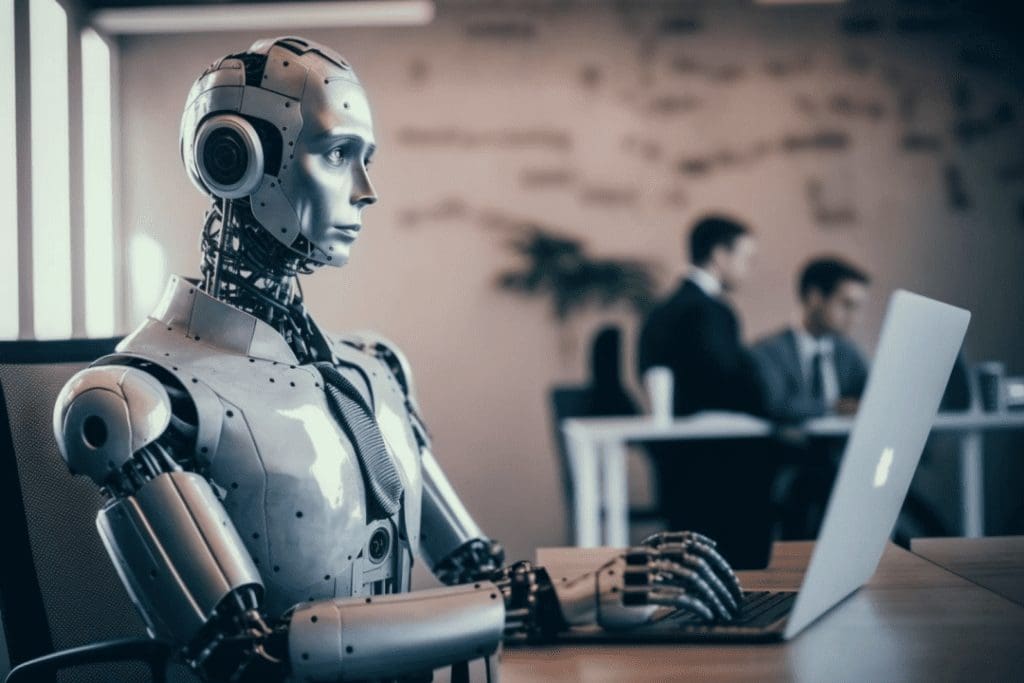
E-Commerce and Marketing With the growth of online commerce, this field trains professionals who develop digital sales strategies and manage marketing processes.
Child Development Trains teacher candidates who will support the cognitive and emotional development processes of children and work in early education.
Game Development and Programming Trains software experts who design innovative digital games for entertainment and education.
Rail Systems Management Trains experts who ensure the operation and management of rail systems, which are central to sustainable transportation.
Courthouse Bureau Services Trains bureau service professionals who speed up processes and increase efficiency in the digitalizing legal system.
Construction Technology Trains experts who will build modern living spaces with new materials and smart city concepts.
Artificial Intelligence Specialist Trains professionals who model decision-making processes by analyzing human behavior and develop artificial intelligence solutions.
Robotics Engineering Trains engineers who design, produce, and make robotic systems usable in daily life.
Cybersecurity Specialist Trains experts who develop security systems against cyber threats and design data protection strategies.
Cloud Computing Specialist Trains professionals who will enable companies to manage their infrastructures securely and efficiently.
Genetic Engineering Trains engineers who analyze and improve genetic structures in the fields of health, agriculture, and biotechnology.
Virtual Reality (VR) Developer Trains experts who design virtual experiences in education, health, architecture, and entertainment.
Smart City Planner Trains professionals who manage urban projects based on energy efficiency, transportation, security, and sustainability.
Wearable Technology Designer Trains experts who design technological products that facilitate health, sports, and daily life.
You Might Also Like;
- The Mystery of the Far Side: What Is Hiding in the Lunar Shadows? | Metaverse Planet
- The Doomsday Clock Hits 85 Seconds to Midnight: Are We Out of Time?
- Nvidia’s AI Can Now Predict the Future (Of Weather)
-

-

-

-

-
-

-

-
-

-
-

-