
I was sitting in my favorite coffee shop yesterday, watching everyone around me. Every single person—including me—was glued to a screen. We were ordering lattes via apps, checking crypto prices, and navigating to our next meeting using satellites orbiting thousands of miles above us. Then it hit me: we aren’t just using technology; we are physically and economically fused to it.
And it wouldn’t take a nuclear war or an alien invasion to bring it all crashing down. All it takes is the Sun having a “bad day.”
The Day the Earth Stood Still (For Real)

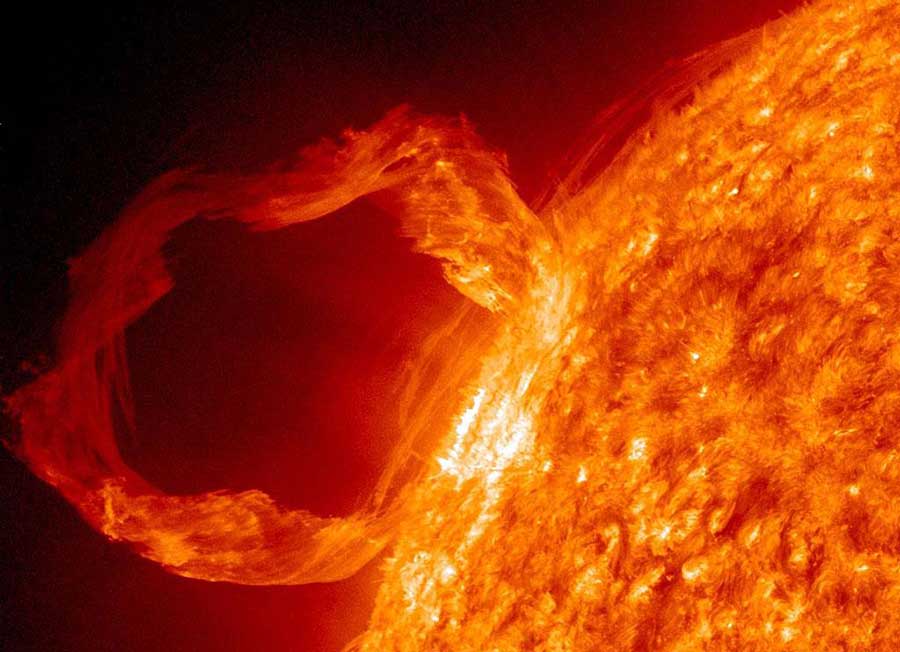
Most people haven’t heard of the Carrington Event, but it’s something that keeps me up at night. In 1859, a massive solar flare slammed into Earth’s magnetic field. Back then, the most advanced tech we had was the telegraph. The surge was so powerful that telegraph wires hissed, sparked, and literally set offices on fire. Operators were getting shocked through their equipment.
Now, take that exact same event and drop it into 2026.
We aren’t talking about a few sparks anymore. We are talking about a total, global “Black Start” scenario. If a solar storm of that magnitude hit us today, our high-voltage transformers—the heart of the global power grid—would likely melt. These aren’t things you can just buy at a local hardware store; they take months, sometimes years, to manufacture and ship.
Why “No Internet” is the Least of Our Problems

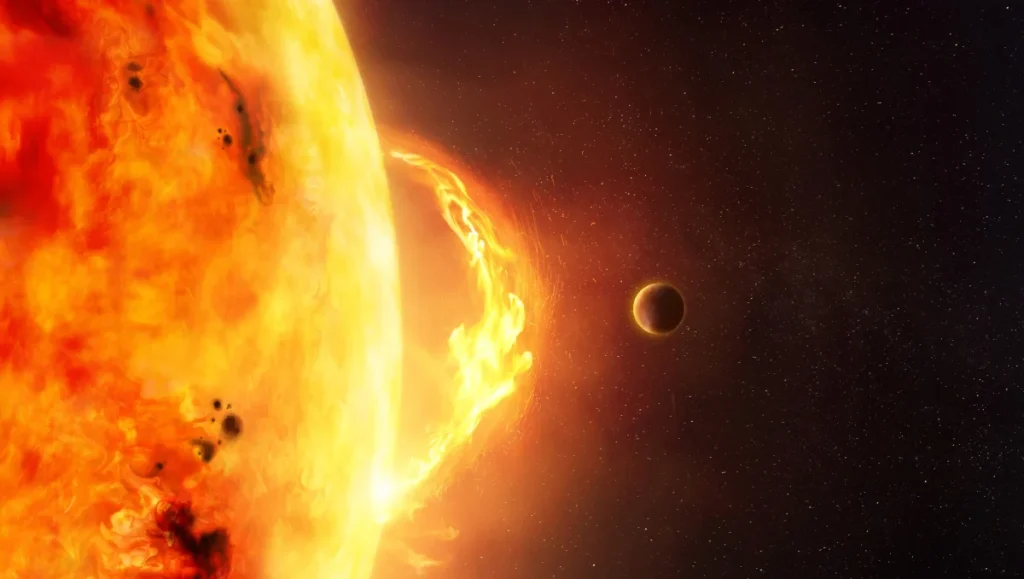
I often hear people say, “I’d actually love a break from social media.” I get the sentiment, but trust me, you wouldn’t be enjoying the peace.
If the grid goes down, the domino effect is instant:
- The Financial Void: Your credit cards are plastic junk. ATMs won’t work. Your digital wallet? Gone. Banking records could be wiped or inaccessible for months.
- The Logistics Nightmare: Our “just-in-time” supply chain relies entirely on GPS and internet-based coordination. Trucks wouldn’t know where to go, and even if they did, the pumps at the gas station need electricity to move fuel.
- The Water Crisis: In most modern cities, if the power stays off for more than 48 hours, the water pressure drops to zero.
I’ll be honest: while I was writing this, I looked at my shelf and realized I don’t even own a physical map of my own city. If Google Maps blinked out of existence right now, I’d be functionally lost five miles from my own front door. That realization is a massive wake-up call. We’ve traded basic survival skills for digital convenience, and the margin for error is razor-thin.
Is the Metaverse Our Safety Net or Our Cage?


As someone who lives and breathes the Metaverse and future tech, I find this paradox fascinating. We are building digital twin cities and virtual economies, yet we haven’t fully secured the physical wires that hold them up.
I don’t think we should live in fear, but I do think we need a reality check. We are currently in a period of high solar activity (Solar Maximum). Scientists are watching the Sun more closely than ever because they know what I’m telling you: we are overdue for a big one.
The tech we build—the AI, the VR worlds, the blockchain—is incredible. But it’s all hosted on a house of cards made of silicon and copper. I love the future, but I’ve started to realize that the more “advanced” we become, the more fragile our civilization feels.
My Takeaway

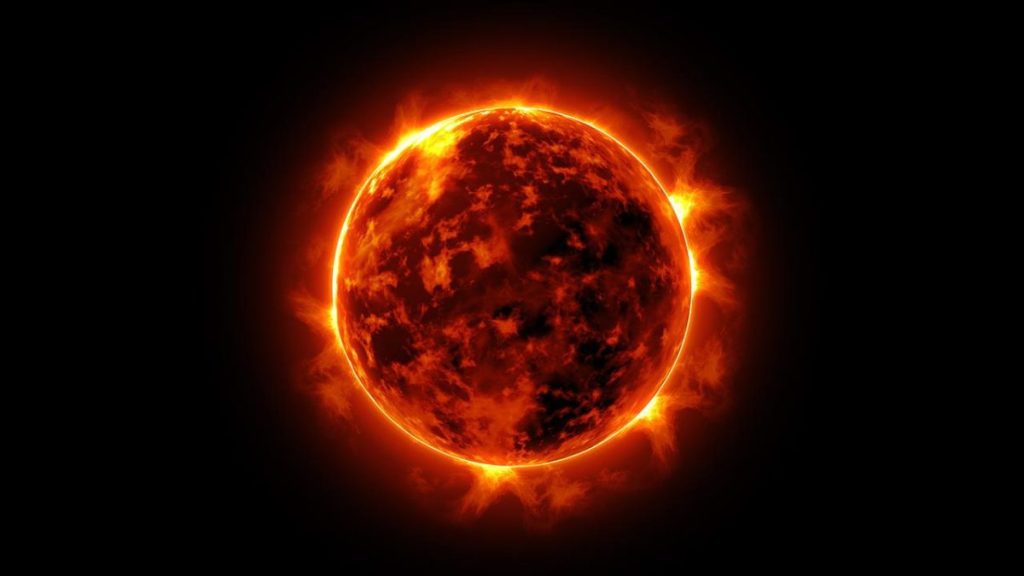
I’m not saying you should go buy a bunker and move to the woods (unless that’s your vibe). But maybe it’s time we balance our digital lives with some analog resilience. Buy a paper map. Learn how to grow a tomato. Maybe keep a little bit of physical cash hidden away.
I love my gadgets, and I love the world we’ve built, but I don’t want to be the guy who starves because he couldn’t remember how to function without an algorithm telling him what to do.
If the grid went down tomorrow and stayed down for a year, what is the one “old world” skill you actually possess that would keep you alive?
Drop a comment and let’s talk—while we still have the signal to do it.
You Might Also Like;
- Nvidia’s AI Can Now Predict the Future (Of Weather)
- The Tipping Point: Electric Cars Overtake Petrol in Europe
- Snapchat Doubles Down on AR: Meet Specs Inc.
-

-
-
-
-
-
-

-

-

-

-
-

