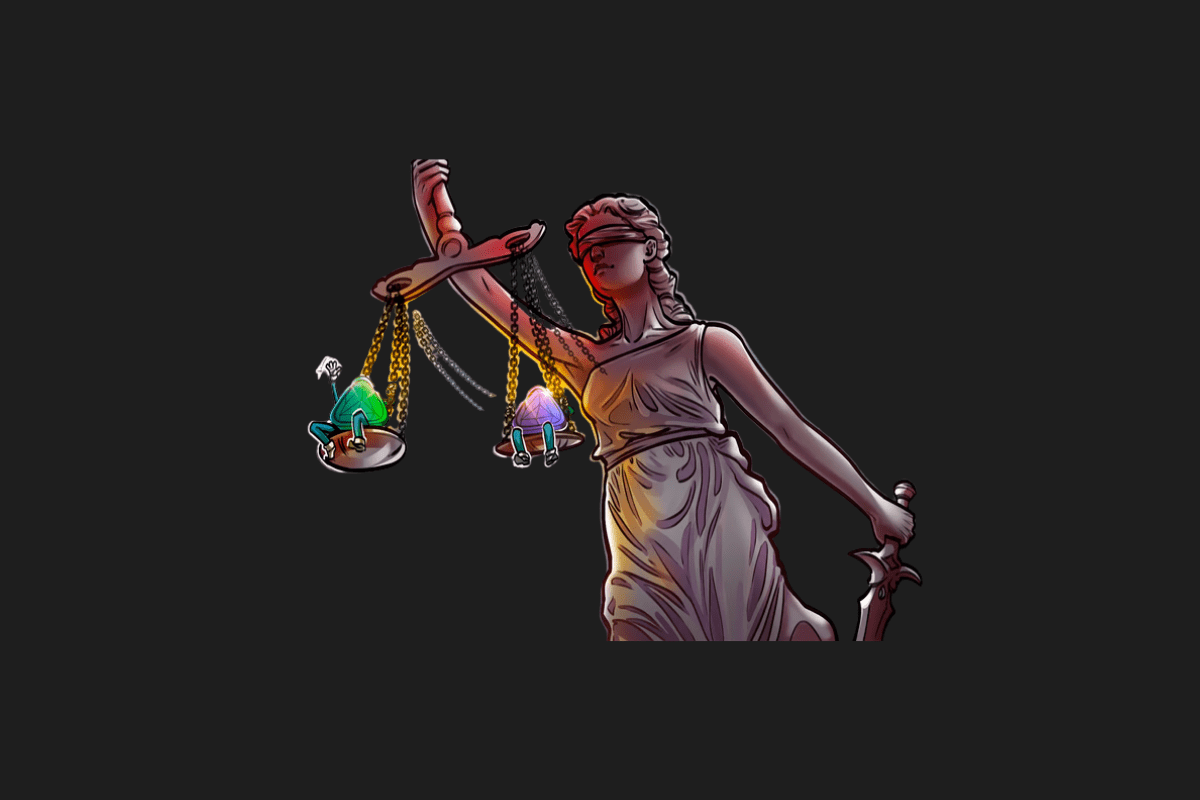
Dolce & Gabbana’s U.S. branch has been dismissed from the class-action lawsuit concerning the DGFamily NFT project. The future of the lawsuit is now uncertain. Dolce & Gabbana’s U.S. arm has been spared from a proposed class-action lawsuit alleging that its parent company abandoned a non-fungible token (NFT) project.
U.S. District Judge Naomi Reice Buchwald of the New York federal court sided with Dolce & Gabbana USA Inc. in a ruling on Friday, dismissing the case on the grounds that the company was not an “alter ego” of its Italy-based parent company, Dolce & Gabbana SRL.
A group of NFT purchasers, in a lawsuit filed in May 2024 and amended in September, claimed that Dolce & Gabbana and its U.S. branch were “effectively the same company” and had failed to deliver on promises made under the “DGFamily” NFT project, launched in 2022, retaining over $25 million from the project.
The exoneration of Dolce & Gabbana USA, the only U.S.-based defendant named in the lawsuit, has made the future of the case uncertain. Dubai-based NFT marketplace UNXD Inc. and Italy-based Bluebear Italia SRL, creator of an NFT collection called “inBetweeners,” were also named as defendants in the lawsuit. However, the court noted that the complaint had not been served on these companies.
Lawsuit Allege Dolce & Gabbana Abandoned NFT Project


The complaint claimed that Dolce & Gabbana and UNXD jointly created and promoted DGFamily, a project that would provide purchasers with “high-value” benefits to be delivered quarterly over two years.
Alleged benefits included digital apparel for the Decentraland metaverse, physical clothing items, and live events for NFT holders.
However, the lawsuit alleged that Dolce & Gabbana “failed to provide the full set of promised benefits” and retained millions of dollars from the sale of the NFTs.
U.S. Arm Claimed No Involvement with NFTs

Dolce & Gabbana USA filed a motion to dismiss the lawsuit in January, arguing that it was a separate legal entity from its Italian parent company and therefore could not be associated with its actions, adding:
“D&G USA did not enter into a joint venture with UNXD or any other entity to sell, promote, or market any NFTs.”
The company stated that the evidence in the complaint showed the NFT project originated from the Italian parent company, and the ties between the U.S. and Italian firms were not sufficiently alleged.
According to the Judge, the Lawsuit Failed to Establish Distinction Between Dolce & Gabbana USA and Italian Firm

Judge Buchwald stated that the lawsuit was “plainly insufficient to resist D&G USA’s motion to dismiss” because both the U.S. and Italian companies are referred to as “Dolce & Gabbana,” and all alleged misconduct is attributed to this common name, without distinguishing what each entity did.
Related: NFT Sales Explode: 2.82 Billion Dollars in Increased Interest in the First Half of 2025
The amended complaint alleged “overlapping ownership, directors, and personnel” between the two companies, such as shared positions like CEO, chief operating officer, and IT and marketing executives.
However, the lawsuit failed to provide “specific examples” of how these executives were involved in the NFT project.
Buchwald stated:
“The Court finds that Plaintiff has not sufficiently alleged that D&G S.R.L. completely dominated D&G USA; even if D&G S.R.L. shared some employees and office space with D&G USA.”
You Might Also Like;
-
-
-

-

-
-

-
-
-

-

-

-