
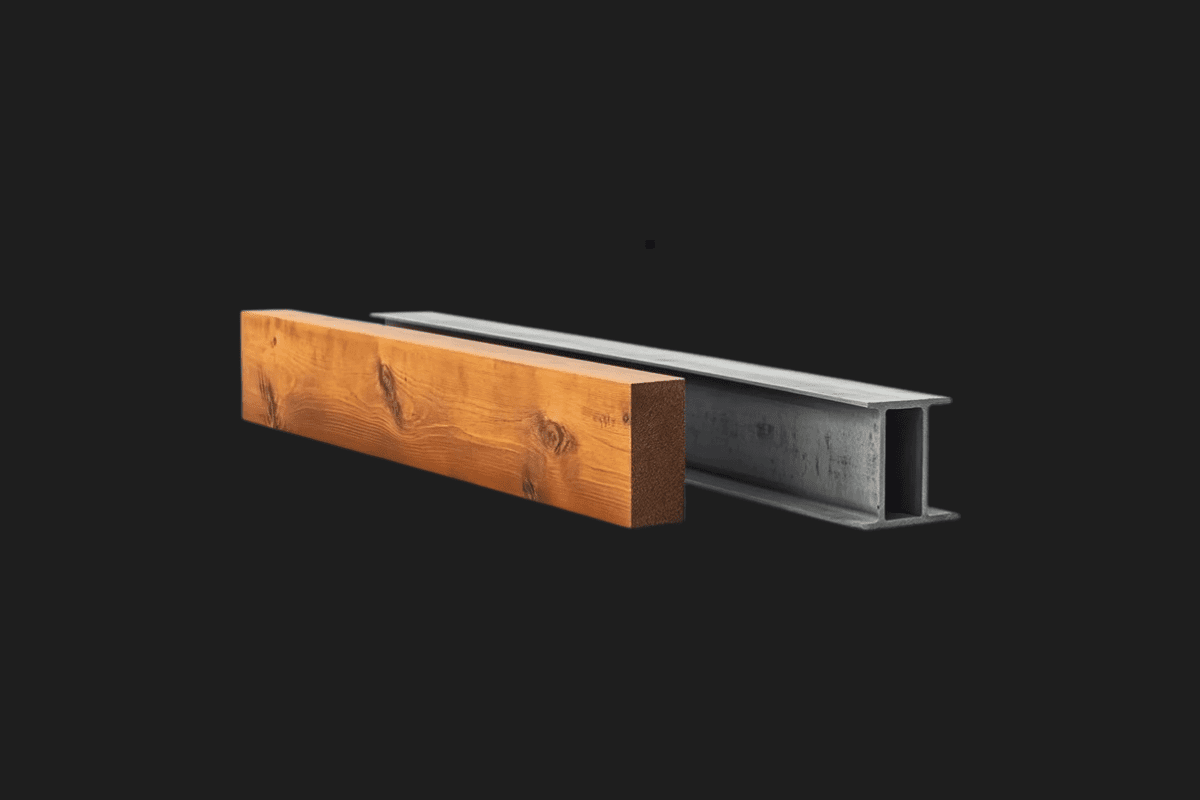
Wood that is 10 times stronger than steel and six times lighter is now on the shelves as a commercial product. Superwood, introduced in May, was launched this week.
Researchers from the University of Maryland announced in May that they had developed wood stronger than steel, and that this new material, named Superwood, would soon enter mass production. This remarkable project, which made quite a stir at the time, has indeed moved to the mass production stage, as announced, and has been released as a commercial product this week.
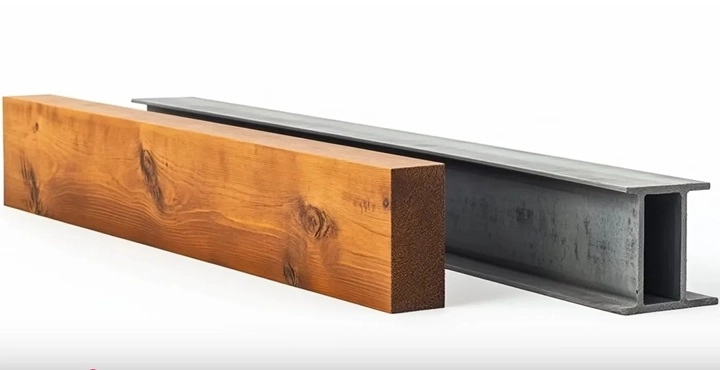
Developed by the US-based company InventWood, Superwood offers up to 10 times higher strength and up to six times lower weight compared to steel.
The story of Superwood is based on research initiated by material scientist Prof. Dr. Liangbing Hu nearly a decade ago. Hu aimed to transform this millennia-old building material into one of the strongest materials of the age by rearranging the cellulose and lignin components found in wood’s natural structure. Setting out with this goal, Hu demonstrated that it is possible to re-engineer wood at the molecular level. In the process, he even developed a new material called “transparent wood” by chemically modifying the lignin layer in the wood and filling the porous structure with a transparent resin. Throughout years of continuous work, this process was improved, shortened, and finally made suitable for commercial production.
How Does Superwood Become This Strong?

The production process of Superwood is fundamentally based on a very rational principle. Normal wood is first boiled in a special bath containing water and specific chemicals. This process partially dissolves lignin, the substance that gives wood its hardness and dark color, preparing the ground for the reshaping of the fibers. The material is then compressed under high pressure, much like a sponge. The difference here, however, is that the compressed cells cannot return to their original state. This eliminates the microscopic voids inside the wood, and the fibers bond much tighter together. This way, Superwood achieves a form that is four times denser and 10 times stronger. Furthermore, according to the company’s tests, this new wood shows a 50% higher tensile strength compared to steel.
More importantly, this process does not harm the nature of the wood. Superwood still looks like wood, can be processed like wood, and maintains its environmentally friendly properties. However, its durability now rivals metals.
Resistant to Fire, Rot, and Impact

Superwood is not only strong; it is also highly resistant to environmental conditions. Tests indicate that the material is completely resistant to fungus and insects and is classified as A1 fire-rated. This means it offers a long-lasting alternative for both exterior facades and interior applications such as flooring and furniture. Alex Lau, CEO of InventWood, states that the material has the potential to replace steel in the future:
“Superwood is both lighter and stronger. This makes structures more durable while also reducing the foundation load. Furthermore, our production process generates 90% lower carbon emissions compared to steel.” InventWood has now started Superwood production at its facility in Maryland, USA. In the initial phase, Superwood will be used in areas such as exterior cladding, decking, and roofing applications. The company plans to develop new products for interior applications, and even furniture production, next year.
Lau suggests that Superwood will not only replace wood parts but that even metal fasteners in furniture could be produced with this new material. The long-term goal is the construction of structures made entirely of Superwood.
Growing Interest in Wood-Based Building Materials
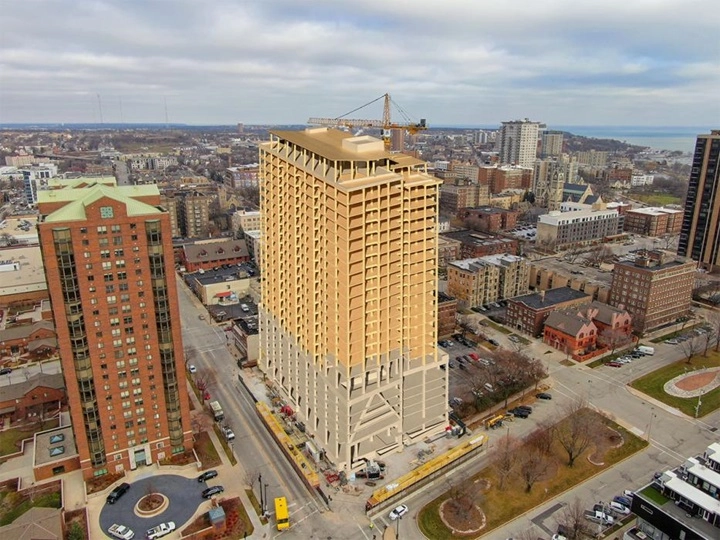
Wood-based building materials have been experiencing a resurgence in recent years. The Ascent MKE building in Milwaukee is currently the world’s tallest timber skyscraper, and projects in this area are increasing. Experts suggest that more durable materials like Superwood could accelerate this transformation.
Prof. Philip Oldfield from the University of New South Wales in Australia says that such materials have the potential for carbon storage in cities: “Wood production does not emit carbon; on the contrary, it sequesters carbon from the atmosphere. Reinforced products like Superwood can play a critical role in reducing cities’ carbon footprint.”
However, experts emphasize that the main obstacle is not technological but sectoral habits. Oldfield states that the construction sector is cautious towards innovations, but adds that stronger wood products could be the catalysts that speed up this change.
You Might Also Like;
- The Mystery of the Far Side: What Is Hiding in the Lunar Shadows? | Metaverse Planet
- The Doomsday Clock Hits 85 Seconds to Midnight: Are We Out of Time?
- Nvidia’s AI Can Now Predict the Future (Of Weather)
-

-

-

-

-

-

-

-

-

-

-

-

