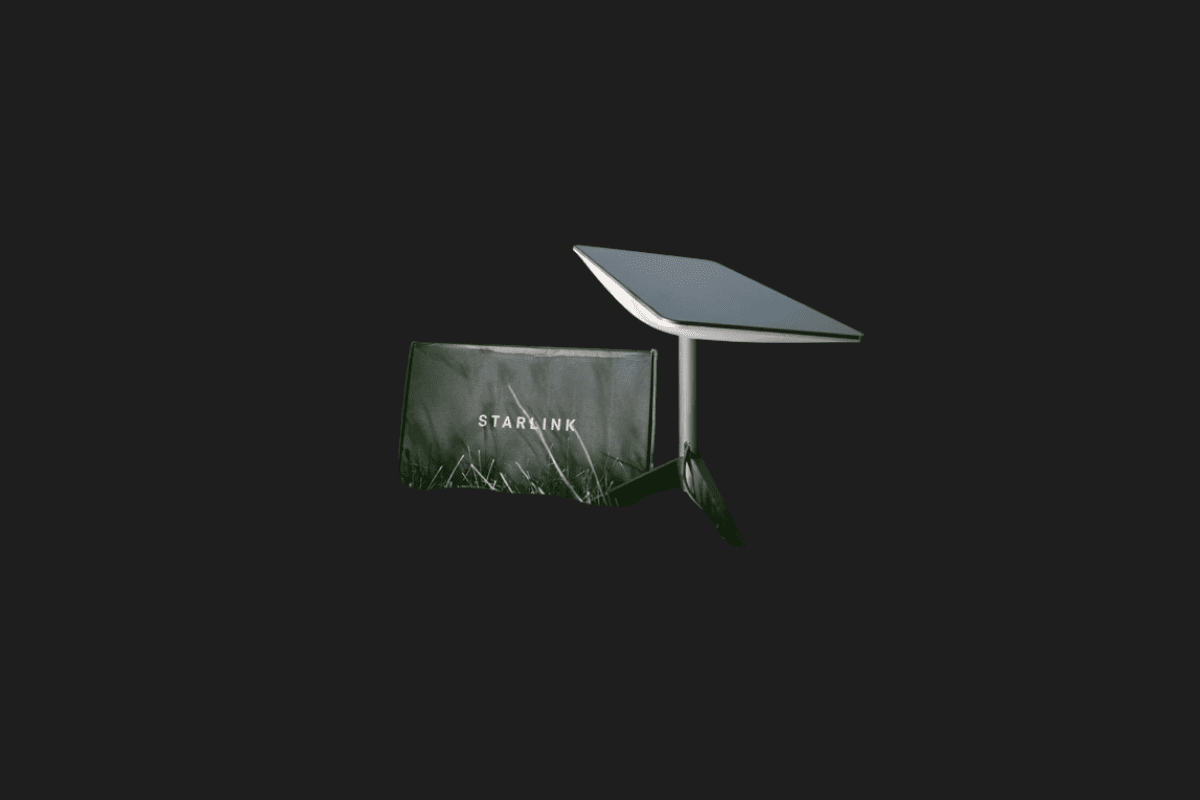
I vividly remember the days when the phrase “satellite internet” was basically a punchline among my tech-savvy friends. If you lived outside the city limits, it meant bolting a massive, ugly dish to your roof, paying a fortune, and praying for speeds just fast enough to load a plain text email. Gaming? Forget about it. Streaming video? Only if you enjoyed looking at a buffering wheel for twenty minutes.
But I have been closely following the recent announcements emerging from the Mobile World Congress (MWC), and it is clear that SpaceX is about to turn that outdated stereotype completely upside down. The timeline for their next-generation satellites is now officially locked in, and based on what I am seeing, the Starlink V2 network isn’t just an upgrade—it is a complete paradigm shift that aims to directly rival traditional, ground-based fiber optics.
Let’s dive into what this massive leap in orbital technology actually means for our daily lives, and why I believe traditional internet service providers should be very, very nervous right now.
The Big Reveal at MWC: A Paradigm Shift


If you have been using Starlink, or even just watching YouTube reviews of people taking their terminal out into the middle of the desert, you already know the current generation is highly capable. But during MWC, SpaceX pulled back the curtain on the “V2” system.
According to Michael Nicolls, one of the key figures heavily involved in the technical architecture of the project, this isn’t a minor tweak to the existing constellation. SpaceX is preparing to inject a massive steroid shot into the network’s capacity. The goal here is simple but incredibly ambitious: to make satellite internet indistinguishable from the wired fiber optic connection you probably have in your apartment right now.
I have always been a bit skeptical of companies claiming they can beat fiber physics from low Earth orbit, but the data SpaceX is presenting is hard to ignore. They are preparing to elevate the standard of connectivity for the entire planet.
Cracking the Code: 100x Data Density and Fiber-Like Speeds


When I read the technical specifications, one number completely stopped me in my tracks. SpaceX is claiming that the V2 satellite series will offer a staggering 100-fold increase in data density compared to the current infrastructure.
Let that sink in for a moment. One hundred times more data capacity. But what does that actually mean for you and me when we open our laptops?
What Does 150 Mbps From Space Actually Feel Like?
Nicolls shared that under ideal conditions, this new network architecture will comfortably push download speeds up to the 150 Mbps band. Now, if you live in a major tech hub, 150 Mbps might not sound like a world record. But remember, we are talking about pulling this signal out of the sky, from a satellite moving thousands of miles an hour above your head.
With that kind of bandwidth and stability, the possibilities completely open up:
- Flawless 4K Streaming: You could be sitting in a cabin deep in the woods, simultaneously streaming multiple ultra-high-definition movies without a single drop in quality.
- Seamless Video Conferencing: The dreaded “you’re on mute” or frozen Zoom faces that plague remote workers on poor connections will become a thing of the past.
- The Gaming Potential: While latency is always the final boss of satellite internet, the V2 architecture aims to stabilize connections enough that competitive online gaming becomes viable entirely off-grid.
I look at my own home internet setup, and frankly, there are days when my local broadband provider struggles to maintain a consistent 100 Mbps. The idea that a dish in my backyard could soon outperform the cables buried under my street is absolutely wild to me.
Erasing Dead Zones: The Ultimate Off-Grid Dream


One of the aspects of the Starlink V2 roadmap that excites me the most isn’t just the raw speed; it is the absolute geographical freedom it promises.
Currently, even the best cellular and satellite networks have blind spots. If you travel far enough north or venture into extreme terrains, your signal eventually dies. But the V2 constellation is designed to aggressively target and eliminate these final dead zones.
- Total Global Coverage: Areas that have historically been ignored by telecom monopolies—like remote mountain villages, deep ocean routes, and extreme polar regions—will soon have access to top-tier, high-quality network connectivity.
- Digital Equality: I often think about how access to high-speed internet dictates access to education and the global economy. Bringing reliable, fiber-level speeds to isolated communities isn’t just a cool tech trick; it is a profound socioeconomic equalizer.
If I ever decide to sell my apartment and move into an off-grid van to travel the world, it is comforting to know that I won’t have to sacrifice my connection to the digital world.
The Launch Roadmap: 50 Satellites at a Time


So, when can we actually expect to see this sci-fi level of connectivity? SpaceX is operating on a timeline that is frankly aggressive, even by their own standards.
Here is the breakdown of their deployment strategy:
- The Target Date: The massive rollout is scheduled to begin in the middle of 2027.
- The Payload: Every single rocket launch will carry more than 50 next-generation V2 satellites into orbit.
- The Deployment Window: This is the craziest part to me—SpaceX aims to have the entire V2 system fully operational and running at maximum capacity within a remarkably short six-month window from the start of the primary launch phase.
This rapid deployment is a testament to how far reusable rocket technology has come. Ten years ago, launching 50 highly advanced communication satellites at once would have been the pinnacle achievement of a decade. Now, SpaceX plans to do it routinely, month after month, until the sky is blanketed in high-speed coverage.
My Final Take: Is Traditional Broadband in Trouble?
Whenever I analyze these massive shifts in infrastructure, I always try to look at who is going to be disrupted the most. In this case, I think traditional, ground-based Internet Service Providers (ISPs) need to wake up.
For decades, many local ISPs have operated with virtual monopolies, forcing customers to accept slow speeds, terrible customer service, and arbitrary data caps simply because there was no alternative. Starlink V2 changes the game entirely. It introduces a highly competitive, incredibly fast alternative that doesn’t care if your street hasn’t been dug up for fiber yet.
I don’t think fiber optic cables are going to disappear tomorrow. For dense urban environments, ground infrastructure still makes a lot of sense. But for the suburbs, rural areas, and anyone who values the freedom to move without losing their connection, SpaceX is building an irresistible alternative. I am genuinely thrilled to see how this technology forces the older telecom giants to finally innovate or get left behind.
I am curious about where you all stand on this. If Starlink V2 delivers on its promise of fiber-like speeds and total reliability from anywhere on Earth, would you finally cut the cord with your local internet provider and switch to satellite? Drop your thoughts in the comments below, I’d love to hear your take!
You Might Also Like;
- A Century-Old Aviation Dream Reborn: The Channel Wing VTOL Takes Flight
- The Dawn of the Automated Battlefield: How Ground Robots Are Redefining Warfare
- The Insatiable Hunger of AI: Why Tech Giants Are Chasing Natural Gas
-

-

-
-
-

-

-

-

-

-

-

-