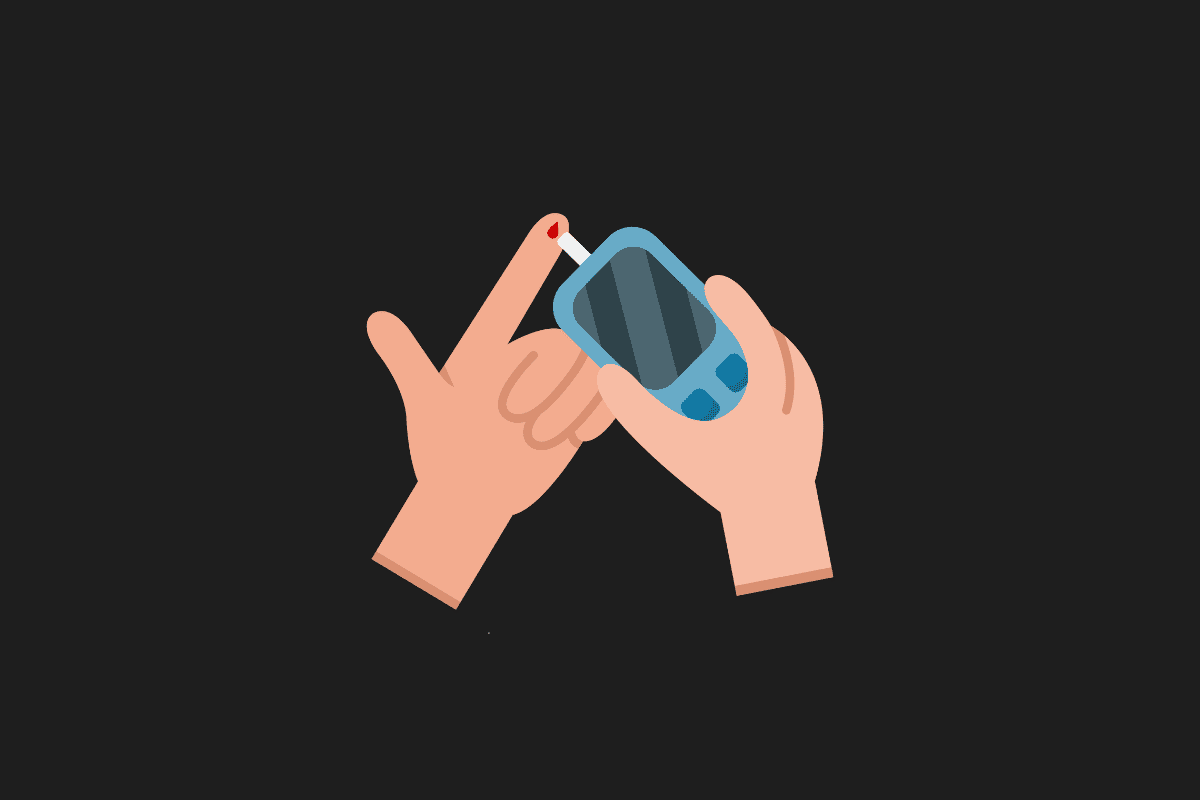
MIT engineers have developed a new method that makes blood sugar measurement needle-free by applying near-infrared light to the skin. The technology is reported to offer high accuracy.
The new generation glucose measurement system developed by the MIT team offers a technology that could eliminate the necessity of finger pricking and using subcutaneous sensors for diabetic patients. Researchers are working on a method that can measure blood sugar levels solely using light waves. While the initial prototype is still relatively large, it has the potential to shrink to the size of a smartwatch.
Blood sugar tracking is of vital importance in diabetes management. For decades, these measurements were generally performed via finger pricking. Although wearable glucose monitors, which have become widespread in recent years, provide continuous measurement, the sensors placed under the skin must be replaced every 10-15 days and can lead to issues such as irritation.

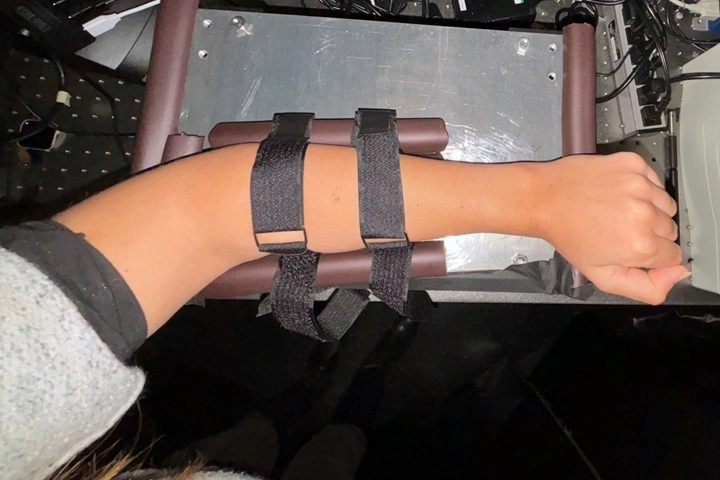
Can be detected with light As a solution to this problem, MIT researchers are utilizing the Raman spectroscopy method. This technique determines the glucose level by analyzing Raman signals generated from the interaction of light sent into tissues with molecules. In 2010, the team demonstrated that they could measure glucose levels indirectly with this method, but the device was not very practical for daily use.
With a new approach developed in 2020, signals originating from other molecules in the skin were filtered out, enabling the direct detection of the glucose signal. The device, initially the size of a printer, has been reduced to the size of a shoebox through optimizations. At the core of this downsizing lies the discovery that only three of the approximately one thousand bands in the Raman spectrum are sufficient for glucose measurement. Furthermore, measurements are completed in about 30 seconds, and the accuracy level is on par with existing commercial wearable glucose monitors.
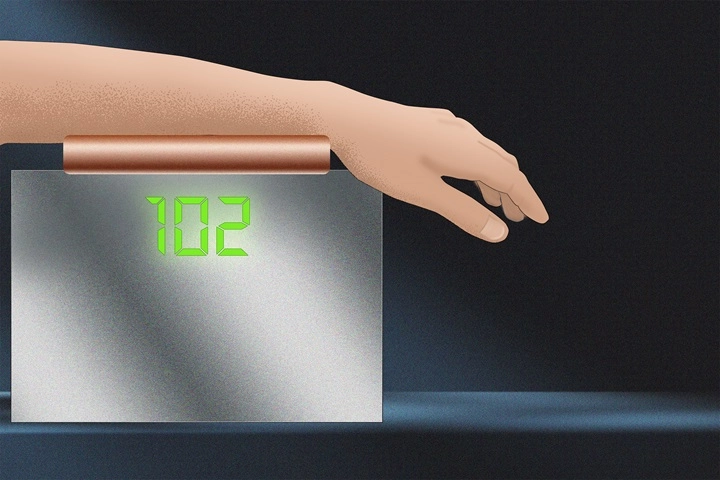
Tests have begun Researchers are testing a mobile phone-sized prototype of the device with healthy and prediabetic volunteers. In the future, the goal is to shrink the device to the size of a watch and ensure it can perform reliable measurements on different skin tones. The MIT team emphasizes that high-accuracy and completely needle-free glucose measurement will make a significant difference in the quality of life for diabetic patients.
You Might Also Like;
- The Dark Side of Nanotechnology: Could Microscopic Swarms Erase Billions?
- The Illusion of Digital Immortality: Are You Really Uploading Your Mind?
- The View That Changes Everything: Artemis 2’s Deep Space Eclipse
-

-
-

-

-

-

-
-
-

-

-

-