
Did you know that the weather control button from sci-fi movies like Geostorm might have already been pressed?
While diving deep into the latest research on geoengineering and cloud seeding, I got actual chills. We aren’t just talking about predicting the weather anymore; we are literally testing technologies to block the sun and cool the planet artificially. As someone who breathes technology every day, I usually celebrate human innovation, but this time? This time, I had to pause.
Playing god with nature comes with a massive risk. We have to ask ourselves: could fixing the climate in one place turn another into a barren desert? Let’s break down what is actually happening in our skies.
What Exactly is Geoengineering?


When I first heard the term, it sounded like something straight out of a cyberpunk novel. In reality, geoengineering is the deliberate, large-scale intervention in the Earth’s natural systems to counteract climate change.
Researchers are currently splitting this into two main approaches:
- Solar Radiation Management (SRM): This is the “block the sun” approach. Scientists are exploring ways to spray reflective aerosols (like sulfur dioxide) into the stratosphere. The idea is to bounce a fraction of sunlight back into space, artificially cooling the Earth.
- Carbon Dioxide Removal (CDR): This involves sucking CO2 directly out of the atmosphere. While safer, it is currently incredibly expensive and slow.
- Cloud Seeding: This is already happening. By shooting silver iodide into clouds, governments are forcing them to produce rain. It sounds great for drought-stricken areas, but the water has to come from somewhere, right?
The Chilling Reality of Hacking the Sky

Here is what really stood out to me: we are treating symptoms, not the disease.
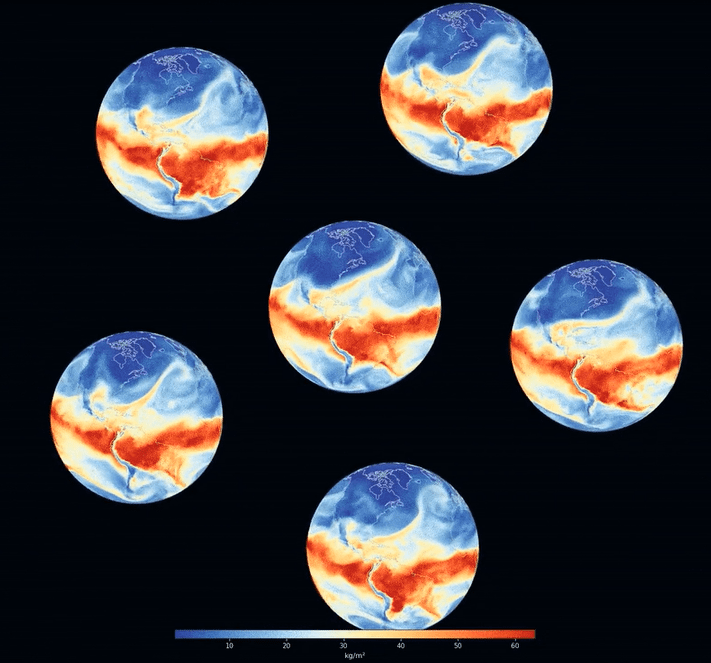
Imagine you have a fever because of a severe infection. Geoengineering is like taking a massive ice bath. Sure, your temperature drops, but the infection is still raging inside you. If we pump particles into the sky to dim the sun, we aren’t stopping carbon emissions; we are just hiding the heat.
If we ever stop spraying those aerosols, the suppressed warming could snap back with terrifying speed—a phenomenon scientists call “termination shock.”
The Ultimate Butterfly Effect

I kept thinking about the geopolitical nightmare this could cause. The atmosphere doesn’t care about borders.
- Who holds the thermostat? If one country decides it is getting too hot and unilaterally launches a solar geoengineering fleet, who stops them?
- The stolen rain: If a nation seeds clouds to save their crops, are they technically stealing rain that would have naturally fallen on their neighboring country?
- Unintended consequences: Altering global temperatures could shift monsoon patterns. We could literally save one hemisphere from heatwaves while plunging another into absolute famine.
My Take: Are We Ready?
I love technology. I believe in human ingenuity. But standing on the edge of atmospheric manipulation, I am not entirely sure humanity is ready for this kind of power. We haven’t even figured out how to share the resources we already have on the ground; how are we supposed to agree on who controls the clouds?
We are moving from a world where we adapt to the weather, to a world where we dictate it. But nature is a complex, chaotic system. It always finds a way to balance the scales, and usually, it doesn’t ask for our permission.
What do you think? Should we hack the clouds to buy ourselves time, or let nature take its course and focus purely on cutting emissions? Let me know your side in the comments!
Because remember, the future is not just fiction, it is being coded right here.
Join the Spartans! Come on, subscribe right now and support me please. 👇
You Might Also Like;
- Samsung Enters the Robotics Arms Race: Inside the New RX Unit
- The Danger of AI Confidence: Why We Are More Wrong Than Ever
- The Hidden Threat Above Us: Are We Facing a Nuclear Arms Race in Space?
-

-
-

-
-

-
-

-

-

-

-
-

