Japanese automotive giants Nissan and Toyota have announced their entry into the metaverse, following in the footsteps of Volkswagen and Mercedes Benz.
After Volkswagen and Mercedes Benz, Nissan and Toyota have also revealed their plans to venture into the metaverse.
The Japanese automotive giants highlighted their use of the latest technologies to engage the attention of consumers and employees.

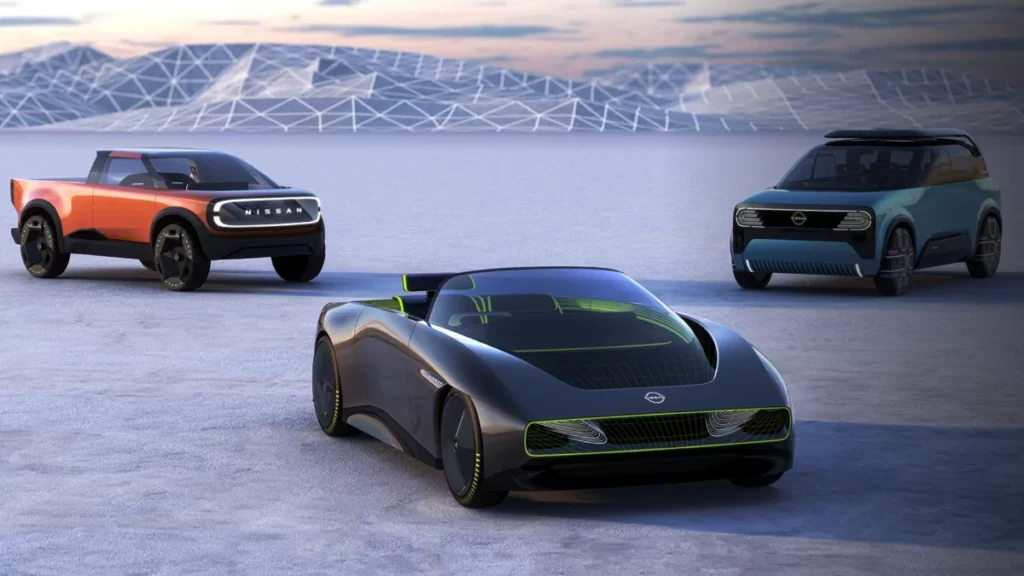
As part of their metaverse initiatives, Nissan has created a digital replica of its showroom called ‘Nissan Crossing’ in Tokyo.
According to reports from Metaverseplanet.net cited by Bitcoin.com, visitors will be able to participate in product launches and other events in the showroom opened by Nissan in the metaverse.
Utilizing an augmented reality interface for the showroom, the company aims to provide visitors with new services and technical features that enhance the driving experience through the metaverse, making it more convenient, comfortable, and enjoyable.
📊 Nissan vs. Toyota: Key Facts and Comparison
| Feature | Toyota Motor Corporation | Nissan Motor Co., Ltd. |
| Origin | Japan (Founded 1937) | Japan (Origins 1933) |
| Global Ranking | World’s largest automaker (Volume/Revenue) | Major global automaker, part of the Alliance |
| Core Strength | Exceptional Reliability, Durability, and High Resale Value | Pioneer in Mass-Market EVs and Sporty Performance Heritage |
| Key Philosophy | Toyota Production System (TPS), Kaizen (Continuous Improvement) | Global Alliance synergy (Renault–Mitsubishi–Nissan) |
| Electrification Focus | Hybrid Technology Leader (Prius, extensive hybrid lineup) | Early EV Leader (Nissan LEAF), e-POWER (Engine as generator) |
| Driver Tech Suite | Toyota Safety Sense (TSS) | ProPILOT Assist and Nissan Safety Shield 360 |
| Iconic Models | Corolla, Camry, RAV4, Prius | LEAF, Rogue/Qashqai, Altima, GT-R, Z-series |
| General Appeal | Buyers prioritizing longevity, fuel efficiency, and peace of mind | Buyers seeking innovative EV tech and a sportier driving feel |
You may also like this content
-

-

-
-
-

-
-

-

-

-

-

-