
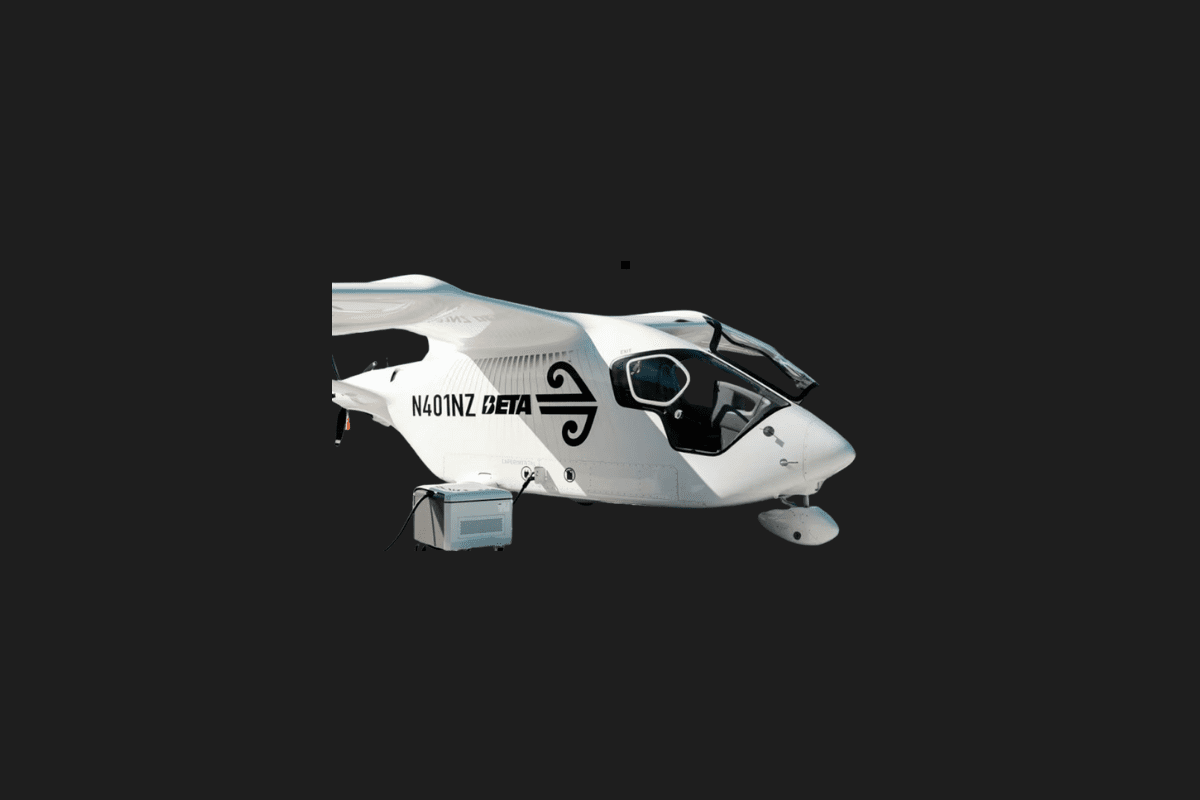
New Zealand, which generates nearly 85 percent of its electricity from renewable energy sources, has now begun testing electric planes for its short-haul logistics aircraft.
The Move Toward Short-Distance Cargo
Although both the range and payload capacity of electric aircraft are steadily increasing, a future where they transport passengers over very long distances still seems distant. However, when it comes to cargo transportation over shorter distances, projects that can be implemented in the much nearer future are emerging. We saw the latest example of this in New Zealand this week. Encouraged by the fact that the majority of logistics flights within the country’s borders are under 350 kilometers, New Zealand has started tests to use zero-emission electric planes on these flights.
Collaboration for Technical Demonstration

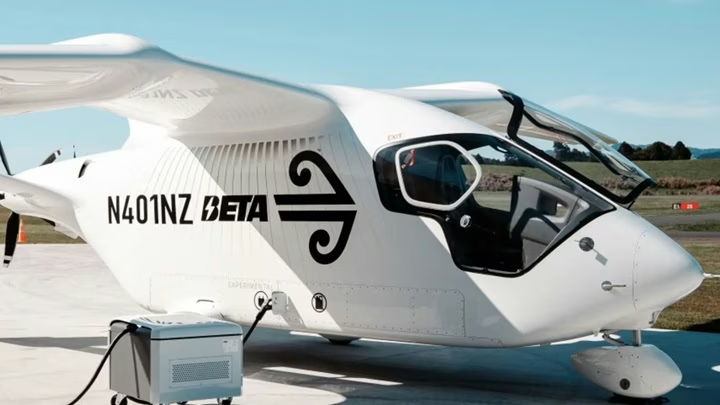
Air New Zealand, one of the country’s major aviation companies, and US-based BETA Technologies have included the fully electric BETA ALIA CX300 aircraft in a comprehensive four-month technical demonstration program. During these tests, the aircraft’s performance will be measured on routes representing the country’s diverse geographical conditions and operational requirements; the plane will be tested under variable weather conditions by taking off and landing in various regions.
BETA ALIA CX300 Electric Aircraft Offers 398 km Range
Featuring a Conventional Take-Off and Landing (CTOL) structure, the BETA ALIA CX300 provides a range of approximately 398 kilometers while achieving zero emissions with its fully electric propulsion system. Despite this range, the aircraft will initially be used on regional lines up to a maximum of 200 kilometers. Its capacity for a two-person crew alongside 5.6 cubic meters of cargo makes the aircraft a particularly suitable model for small-scale cargo transportation.
Operational Details and Future Goals
65 kW mobile charging stations installed on the routes where the aircraft will be tested will allow the plane to get ready for flight again in approximately 90 minutes, paving the way for it to make multiple flights in a single day. The electric aircraft will remain in the test phase until early 2026, and the operational, environmental, and safety-focused data obtained during this period will play an important role in defining the next stage of sustainable aviation. If the results are as expected, New Zealand will pave the way for low-cost, low-emission regional flights, becoming a model country where electric aviation solutions are adopted early.
New Zealand is seen as one of the most ideal countries for this type of transformation because it obtains approximately 85 percent of its electricity from renewable energy sources. This situation allows electric planes to approach true zero emissions while also paving the way for cost reduction.
You Might Also Like;
- The Mystery of the Far Side: What Is Hiding in the Lunar Shadows? | Metaverse Planet
- The Doomsday Clock Hits 85 Seconds to Midnight: Are We Out of Time?
- Nvidia’s AI Can Now Predict the Future (Of Weather)
-

-
-
-

-

-

-

-

-

-

-

-

