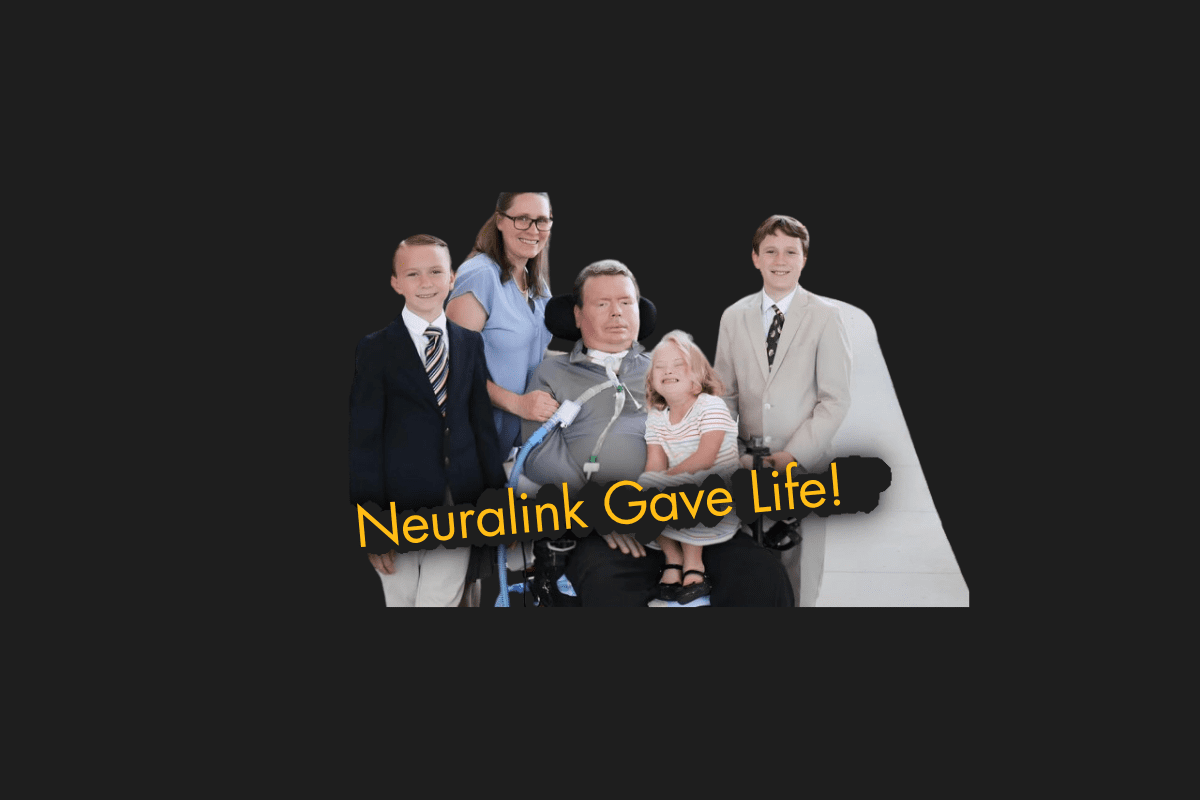
Neuralink’s First ALS Patient Creates and Shares Video on YouTube Entirely with Brain Signals. Neuralink’s first ALS subject, Bradford Smith, shared a video explaining that he can speak again with a clone of his own voice thanks to artificial intelligence and control devices with brain signals. Smith also created and shared the video with brain signals.
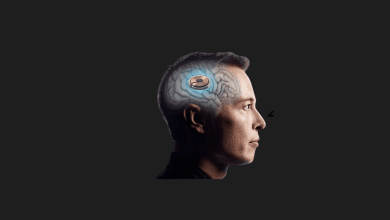
Elon Musk’s brain-computer interface (BCI) company, Neuralink, hosted a significant development in its human trials, which included new participants. The company’s third patient, who is also the first non-speaking subject and an ALS (Amyotrophic Lateral Sclerosis) patient, was Bradford G. Smith. In the video, which Smith prepared by writing with brain signals and edited again with brain signals, he announced that he could now speak again with his artificial intelligence-supported voice.
In the approximately 10-minute video he shared on YouTube, Smith stated that BCI is much more user-friendly compared to eye-tracking technology. Smith, who could only communicate in low light before, explained that he can now easily use his computer even outdoors in daylight, and even attended his child’s robotic award ceremony and communicated there. “I am writing and editing this video with my brain,” Smith said, adding that he can now communicate with the outside world much more independently. Bradford Smith’s video, created solely with brain signals: Elon Musk makes ALS TALK AGAIN || Nonverbal ALS Patient Uses Neuralink to Create & Narrate Video

Another notable element in the video is Smith speaking with his original voice, which was recreated by artificial intelligence. Thanks to this technology, Smith can communicate just by thinking. Images showing how he moves the cursor on the computer screen and how he interacts with devices offer a concrete example of how BCI technology can transform individuals’ quality of life.
Neuralink recently released a worldwide registration form for patient candidates, launching the application process for two different studies called PRIME and CONVOY. Continuing its clinical trials in two separate centers, the company aims to reach more than 1000 users by the end of 2026. Amidst these developments, Neuralink is also nearing completion of its new campus built near Austin.
You Might Also Like;
- The Dawn of the Automated Battlefield: How Ground Robots Are Redefining Warfare
- The Unitree G1: A $16,000 Humanoid Revolution or a Beautiful Nightmare?
- Beyond Biology: The Bionic Hand That Survives a Volvo and Threads a Needle
-

-
-

-
-
-

-
-

-
-

-
-