

The concept of a shared, immersive virtual space dates back to the late 1970s, when Lucasfilm’s “Habitat” first experimented with graphical avatars and online communities. Over the next four decades, rapid advancements in VR headsets, blockchain-based worlds, and AI-driven environments have transformed the metaverse from a speculative idea into a thriving ecosystem. This timeline presents the most significant milestones—each year marking a leap in technology, creativity, or user adoption—that together chart the evolution of digital universes as we know them today.
From Neal Stephenson coining the term “metaverse” in his 1992 novel Snow Crash, to Second Life’s global social network launch in 2003, and the explosive growth of blockchain-powered virtual real estate in 2018, each era has introduced groundbreaking innovations. The 2010s saw the resurgence of consumer-grade VR hardware, while augmented reality experiences like Pokémon GO (2016) brought millions into location-based interactive worlds. By 2021, corporate giants rebranded around the metaverse concept—most notably Facebook’s transformation into Meta—signaling a new chapter in digital convergence between physical and virtual realities.
As we move past 2022 into 2023, 2024, and now 2025, developments in AI interoperability, decentralized governance (DAO models), and wearable AR devices continue to push the boundaries of what’s possible. This timeline not only highlights the key technological breakthroughs but also explores how each year’s innovations have influenced social interaction, entertainment, commerce, and education within virtual environments. Dive in to see how visionaries, entrepreneurs, and developers have collectively built the metaverse year after year.


1978Lucasfilm’s “Habitat” Project
– One of the first graphical multi-user virtual worlds, developed by Lucasfilm’s Games Division. Users could create avatars, chat, trade items, and explore a networked environment.
- Laid the foundation for avatar-based interactions in virtual spaces.
- Supported Commodore 64 and Atari 800 platforms with dial-up network.
- Introduced user-driven economy concepts decades before blockchain.
1992Neal Stephenson’s “Snow Crash” Coined “Metaverse”
– The term “metaverse” first appeared in Stephenson’s science-fiction novel, describing a shared 3D virtual space where people interact through digital avatars.
- Vision: a vast network of connected virtual worlds, blending real life and cyberspace.
- Influenced later VR and online gaming developers to think beyond simple chatrooms.
- Popularized the idea of digital real estate, virtual currency, and identity permanence.
2003Launch of Second Life by Linden Lab
– Second Life became the first commercially successful virtual world where users could buy/sell land, build 3D objects, and monetize experiences. At its peak, it hosted millions of active users.
- Introduced Linden Dollars (L$): a virtual currency convertible to real money.
- User-generated economy boomed: virtual fashion, real estate, entertainment venues.
- Major brands like IBM, Toyota, and Intel experimented with virtual showrooms.
- Demonstrated social and economic potential of persistent 3D environments.
2006OpenSimulator & Virtual World Tooling
– OpenSimulator (OpenSim) emerged as an open-source alternative to Second Life, allowing anyone to host their own grids and customize features.
- Enabled decentralized virtual worlds, independent from a single corporate entity.
- Developers and educators used OpenSim to create training simulations and virtual campuses.
- Demonstrated how virtual spaces could be customized, scripted, and extended freely.
2010Oculus Rift Prototype Introduction
– Palmer Luckey unveiled the first consumer-focused Virtual Reality headset prototype (Oculus Rift). This reignited global interest in immersive VR experiences.
- Kickstarted a fresh wave of VR headset development (HTC Vive, PlayStation VR, etc.).
- Prioritized low-latency head tracking and high refresh rates, reducing motion sickness.
- Facebook (Meta) acquired Oculus VR in 2014 for \$2 billion, signaling big-tech’s commitment.
2014Oculus Rift Kickstarter & VR Renaissance
– Oculus Rift successfully funded on Kickstarter, raising over \$2.4 million. Shortly after, partners like HTC Vive and Sony PlayStation VR entered the market.
- VR headsets became commercially available for the first time in decades.
- Game studios and indie developers began creating immersive VR titles.
- Google Cardboard introduced affordable VR exploration via smartphones.
2016Pokémon GO Popularizes AR
– Niantic’s Pokémon GO blended Augmented Reality (AR) with mobile gaming, attracting over 500 million downloads in its first year.
- Showcased mainstream potential of location-based AR experiences.
- Encouraged other apps to incorporate ARKit (iOS) and ARCore (Android).
- Highlighted how real-world and digital worlds could weave interactive layers.
2018Blockchain & NFT Metaverse Emergence
– Platforms like Decentraland, Cryptovoxels, and The Sandbox launched public betas, leveraging Ethereum-based NFTs to grant users verifiable ownership of digital land and assets.
- Introduction of ERC-721 token standard for unique digital collectibles.
- Users bought virtual parcels as NFTs, some selling for six-figure USD sums.
- Genesis of “play-to-earn” gaming economies, where players received crypto rewards.
- Gazillion-dollar market for virtual real estate and digital fashion began to form.
2020Facebook Horizon & Pandemic-Driven VR
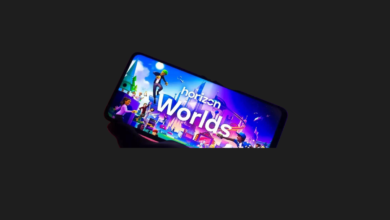
– Facebook (Meta) revealed “Horizon” (later renamed Horizon Worlds) as a social VR platform in closed beta. The COVID-19 pandemic accelerated demand for virtual collaboration and events.
- Horizon allowed users to build custom VR spaces, host meetups, and attend concerts.
- VR headsets, like Oculus Quest 2, saw record sales as remote work and socialization grew.
- Tech conferences, music festivals, and conferences shifted to virtual stages.
2021Facebook Rebrands to Meta
– In October, Facebook Inc. announced its new parent company name: Meta Platforms Inc. Mark Zuckerberg declared a \$10 billion yearly investment plan to build the next-gen metaverse over the coming decade.
- Massive hiring spree in VR/AR, AI, and spatial computing divisions.
- Integration of Reality Labs, Oculus, and Workplace into a unified metaverse vision.
- Boosted public awareness of “metaverse” term, driving investment into related startups.
2022Crypto/NFT Metaverse Explosion
– Sandbox (SAND), Axie Infinity (AXS), Gala Games (GALA), ve diğer blockchain projeleri, milyonlarca kullanıcısı ve milyar dolarlık piyasa değerleriyle global çapta ilgi topladı.
- Big-tech markaları (Nike, Gucci, Adidas) sanal arazi ve NFT koleksiyonları satın aldı.
- “Play-to-earn” oyun ekonomileri milyonlarca kullanıcıya pasif gelir fırsatı sundu.
- Merkezi olmayan özerk organizasyonlar (DAO’lar), sanal dünyaların topluluk yönetimini üstlendi.
- Global metaverse pazar hacmi 50 milyar USD’yi aştı ve yatırımcı ilgisi zirve yaptı.
2023Enterprise & Education Embrace Metaverse
– Kurumsal şirketler ve eğitim kurumları, NVIDIA Omniverse, Microsoft Mesh ve Roblox Education gibi platformlarda sanal işbirliği ve uzaktan öğrenme çözümleri geliştirdi.
- NVIDIA Omniverse: 3D iş akışlarını gerçek zamanlı olarak birden fazla uygulamada birleştiren prototip.
- Microsoft Mesh: HoloLens ve VR cihazlarla uzaktan ekip toplantıları, ortak çalışma alanları.
- Roblox Education: Okullarda programlama ve dijital tasarım derslerine entegre edilen sanal laboratuvarlar.
- AI tabanlı avatar asistanları, metaverse içindeki kullanıcı deneyimini kişiselleştirmeye başladı.
2024AI-Powered Metaverse & Interoperability
– Büyük teknoloji liderleri, yapay zekâ destekli 3D işbirliği araçlarını ve avatar üretim sistemlerini tanıttı. Blockchain tabanlı DAO toplulukları, sanal ekonomiyi ve karar alma süreçlerini test etmeye başladı.
- NVIDIA Omniverse Cloud: Yapay zekâ destekli gerçek zamanlı fiziksel simülasyonlar ve iş akış entegrasyonu.
- Epic Games MetaHuman: Gerçekçi insan avatarlarının oluşturulmasını kolaylaştıran araç seti.
- Ethereum L2 projeleri, sanal varlık transferi ve düşük maliyetli işlem özellikleri sundu.
- Cross-chain protokoller, kullanıcıların avatar ve varlıklarını farklı metaverse ortamlarında taşımasını test etti.
2025Universal Avatars & AR Contact Lenses
– Metaverse’ün olgunlaşma aşamasında “Universal Avatar Interoperability” kavramı öne çıktı: farklı platformlarda aynı avatar profili kullanılabilir hale geldi. AR kontakt lensleri prototipi, fiziksel dünya ve dijital gerçeklik arasındaki sınırları bulanıklaştırdı.
- Meta, Epic Games, Microsoft ve Web3 toplulukları, avatar standartlarını birleştiren prototipler yayınladı.
- AR kontakt lensleri, gerçek dünya nesnelerini etkileşimli Hologram katmanlarıyla birleştirmeye başladı.
- Blockchain uyumlu kimlik (DID) altyapıları, kullanıcı profillerinin güvenli taşınabilirliğini sağladı.
- Global düzenleyici kurumlar, metaverse varlıklarının vergilendirme ve kullanıcı hakları konularını tartışmaya açtı.
You Might Also Like;
- How to Create the Viral Tokyo Drift AI Trend for Free
- How to Make AI Talking Fruit and Vegetable Videos
- NASA Delays Crewed Moon Mission AgaiN
-
-
-

-

-
-

-

-
-
-
-
-

