With the surge in popularity of NFTs, MetaMask has garnered attention from users as it facilitates the authorization of Ethereum accounts when interacting with NFT markets.
A phishing campaign, identified by the cybersecurity organization Kaspersky, involves victims receiving an email warning of an impending account block. To avert the block, users are instructed to verify their accounts by clicking on a phishing link.

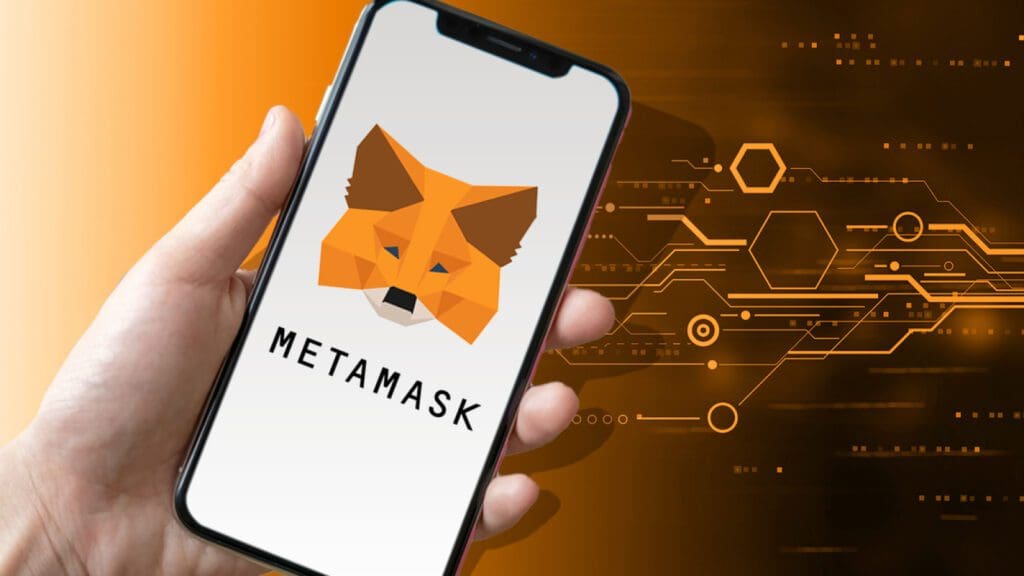
The phishing page replicates the genuine MetaMask design, utilizing a domain that not only features the “MetaMask” name and logo but also incorporates other brand names. Victims are coerced into providing sensitive information (such as the seed phrase), including a password and private key.
Once users share this confidential information, they are redirected to the actual MetaMask website. However, their account and all their savings have already fallen into the hands of the scammers.
Roman Dedenok, a Kaspersky Security Specialist, emphasized, “Grammar, typos, and wrong domains always give away scammers,” noting that the MetaMask seed phrase theft campaign exhibits all the common signs of detectable fraudulent schemes.
🦊 What is MetaMask?
MetaMask is a cryptocurrency wallet and a gateway to the decentralized web (Web3), built as a browser extension (for Chrome, Firefox, Brave, and Edge) and a mobile application.
- Primary Function: It allows users to manage their digital assets, specifically Ether (ETH) and other ERC-20 tokens, and interact with the Ethereum blockchain ecosystem.
- Non-Custodial: It is a non-custodial wallet, meaning the user has full control and ownership of their private keys and funds. MetaMask itself does not store your crypto.
- Web3 Access: It acts as a bridge, enabling users to log into and interact with decentralized applications (DApps) built on Ethereum, such as decentralized exchanges (DEXs), NFT marketplaces, and blockchain games, without needing to run a full Ethereum node.
- Multi-Chain Support: While originally for Ethereum, it now supports many Ethereum Virtual Machine (EVM)-compatible networks (like Polygon, Binance Smart Chain, Avalanche, etc.) by manually adding their network details.
You may also like this content
-

-

-

-
-
-
-

-

-
-

-

-