
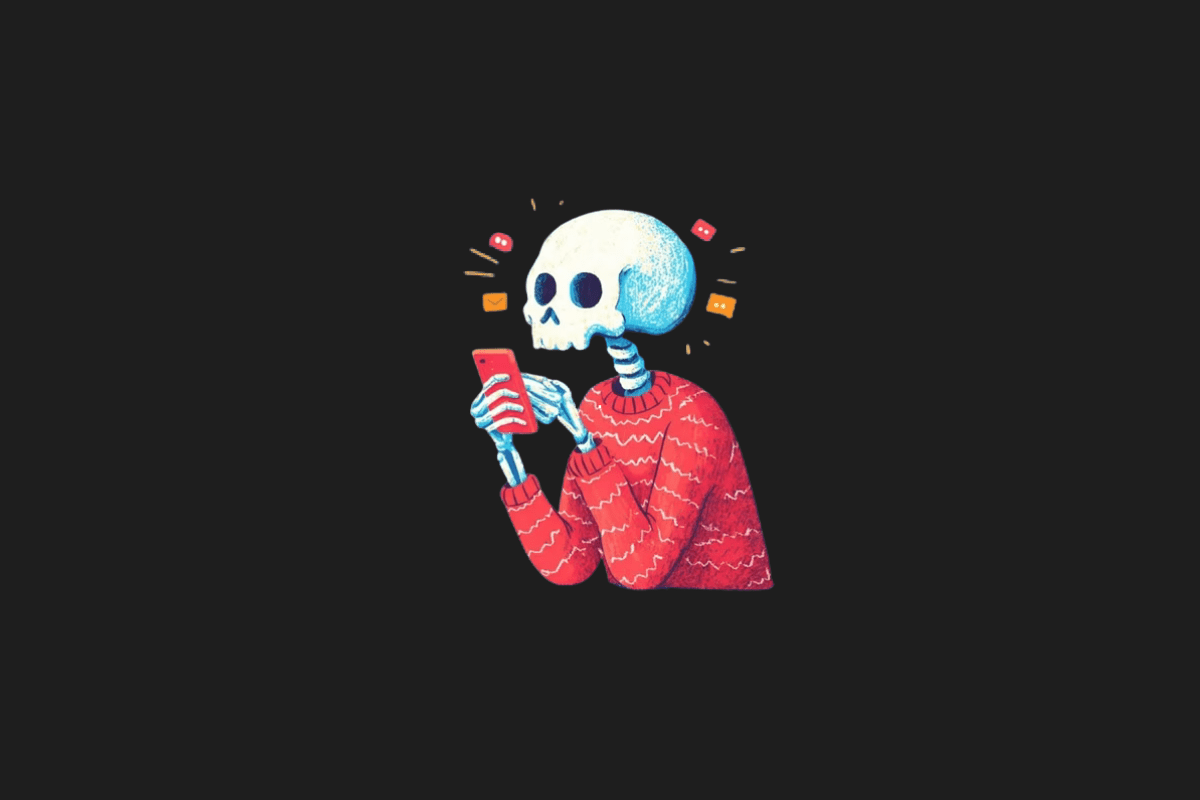
I was drinking my morning coffee and scrolling through my feeds when a piece of tech news literally made me pause and stare at my screen for a solid minute. We have all joked about living in a Black Mirror episode, but today, that joke feels a little too real.
It turns out that Meta—the parent company behind Instagram, Facebook, and WhatsApp—has officially secured a patent for an AI model that can keep posting, messaging, and interacting on your social media accounts after you pass away. As someone who spends their life exploring the intersection of humanity and technology, I usually get excited about new AI breakthroughs. But this one? This one gave me chills. Let’s break down exactly what this “digital clone” patent entails, how it works, and why it is sparking one of the biggest ethical debates in the tech world right now.
What Exactly is Meta’s Digital Clone System?


When we think of digital memorials, we usually picture a static Facebook page where friends and family can leave condolences. Meta‘s newly approved patent, however, outlines something entirely different: an active, continuously evolving digital replica of a human being.
According to the patent documents, this system is powered by a sophisticated Large Language Model (LLM). Instead of just freezing your account in time, the AI essentially steps into your shoes.
Here is what the system is theoretically capable of doing:
- Creating New Content: It can generate and publish new text posts, photos, and videos that mimic your personal style.
- Active Interaction: The AI wouldn’t just broadcast; it could leave likes, write comments, and even reply to private messages on your behalf.
- Mimicking Your Unique Voice: By analyzing your digital footprint—your past comments, the posts you liked, your unique slang, and your overall tone—the AI trains itself to sound exactly like you.
When I read that it could reply to DMs, my mind immediately went to the implications. Imagine sending a message to a late friend’s account in a moment of grief, and receiving a personalized reply that sounds exactly like them. It is both a fascinating technological marvel and a deeply unsettling psychological concept.
The Influencer Angle: Never Going Offline
Interestingly, the patent isn’t solely focused on post-mortem applications. The documents note that the system is heavily fed by the video, image, and message data of influencers and content creators.
The AI is designed to take over in the event of a user’s death, but also during “extended breaks.” For creators whose entire livelihood depends on constant digital presence, this technology could act as an ultimate autopilot. You could take a six-month hiatus to travel the world (or recover from burnout), while your digital clone keeps your audience engaged, maintains your brand voice, and interacts with your community.
Beyond Text: The Creepy Reality of Simulated Calls


If an AI sending texts on your behalf feels a bit weird, hold onto your seat, because the patent goes a step further.
The system is not limited to written content. The documents detail that this technology has the capacity to simulate voice and video calls of the deceased or absent user.
Let that sink in.
Using the vast amount of audio and visual data we already upload to platforms like Instagram and Facebook, the AI could synthesize your voice and map your facial expressions onto a digital avatar. This paves the way for a structure that could create the illusion of real-time interaction with followers, friends, or family. As a tech enthusiast, I know the underlying generative AI required for this is incredible. But as a human, the idea of having a FaceTime call with a synthesized ghost of a loved one feels like crossing a very delicate boundary in the grieving process.
Meta’s Official Stance: “We Have No Commercial Plans”


Before we all panic and start deleting our online histories, we need to look at reality. I dug into Meta’s official response to this discovery, and their spokesperson was very quick to pump the brakes.
Meta confirmed the authenticity of the patent but emphatically stated that they do not plan to use this technology to post on behalf of deceased users. So, why build it at all?
- Securing Intellectual Property: In the cutthroat world of Silicon Valley, companies constantly patent concepts just to ensure their competitors can’t claim them first.
- Defensive Strategy: Patenting an idea secures ownership of the underlying mechanics, which might be used for completely different, less controversial features in the future (like smarter automated replies for business accounts).
Their cautious approach makes perfect sense. The legal and reputational risks of actually launching a “dead person chatbot” are astronomical.
The Ethical Minefield of Digital Legacy

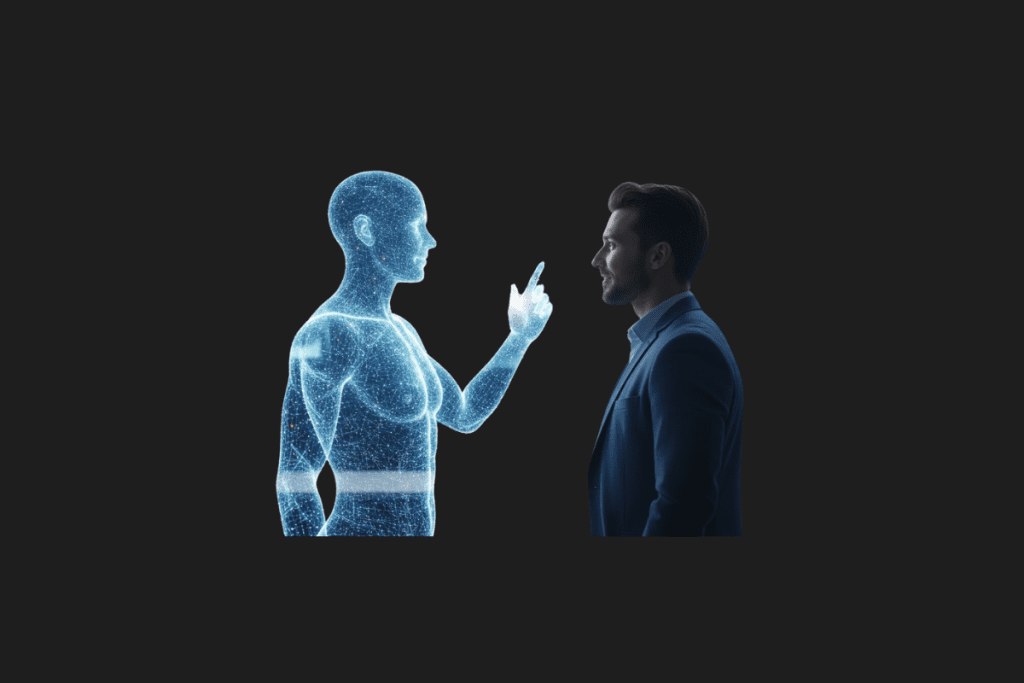
Even if Meta never turns this patent into a real product, the fact that the architecture exists forces us to confront an uncomfortable reality: We do not have clear rules for our digital souls.
Right now, digital inheritance laws are incredibly murky across the globe.
- Who owns your data when you die?
- Does your family have the right to turn off your digital clone, or did you sign those rights away in a Terms of Service agreement you didn’t read in 2014?
- How does interacting with a hyper-realistic AI clone affect the human mourning process?
These aren’t just questions for programmers; these are questions for lawyers, ethicists, and psychologists. The digital footprint we leave behind is becoming more detailed every single day. We are uploading the training data for our own replicas without even realizing it.
What Do You Think?
I honestly have mixed feelings about this. Part of me recognizes the incredible software engineering required to pull off a seamless digital clone. But the human part of me wonders if we are trying to use code to solve the ultimate, unsolvable problem of human mortality. Sometimes, letting go is a necessary part of life.
I want to turn this over to you, because this is a conversation we all need to have before this technology becomes mainstream. If you had the option today, would you consent to having a digital clone run your social media accounts after you are gone, or do you believe our digital lives should end when our physical ones do? Drop your thoughts in the comments below—I am genuinely eager to read your perspectives on this one!
You Might Also Like;
- The Dark Side of Nanotechnology: Could Microscopic Swarms Erase Billions?
- The Illusion of Digital Immortality: Are You Really Uploading Your Mind?
- The View That Changes Everything: Artemis 2’s Deep Space Eclipse
-
-

-
-
-
-

-
-
-

-
-

-

