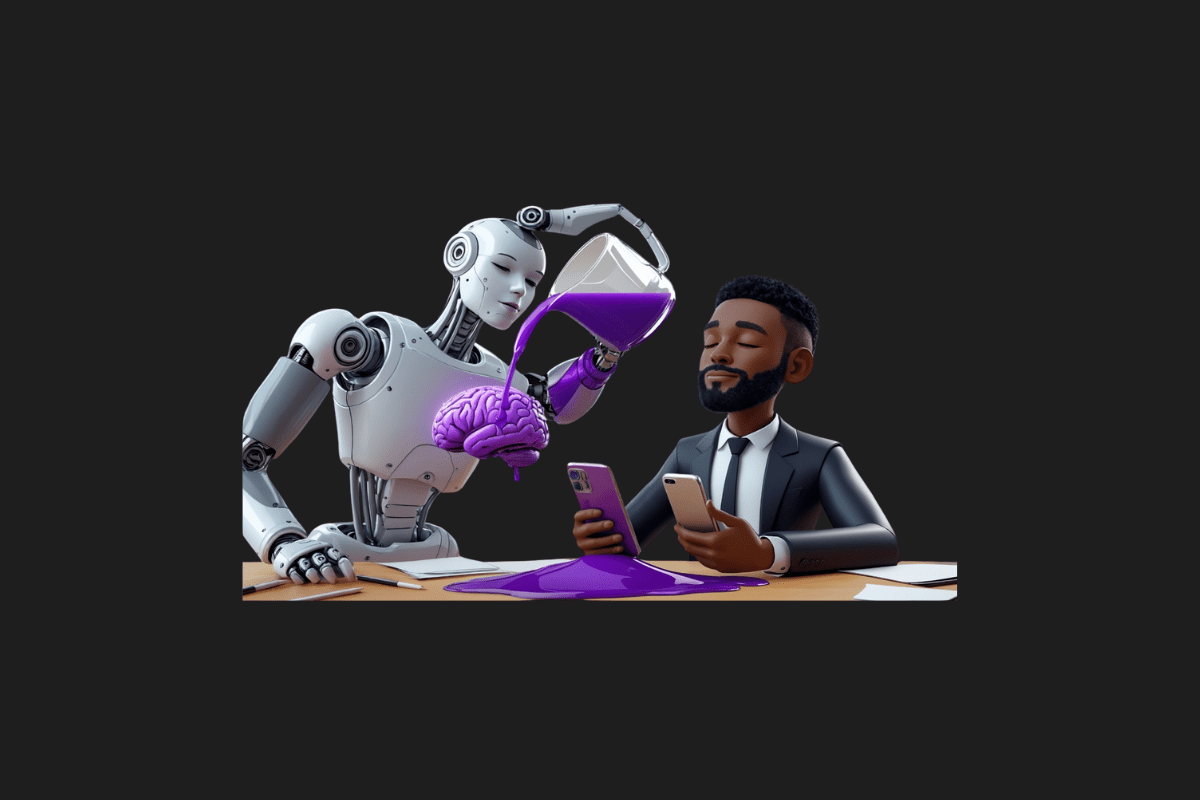
As artificial intelligence (AI) technologies become increasingly pervasive, a crucial question arises: is AI making humans lazy? What kind of future awaits us? Let’s delve into the detailed impacts of the AI revolution on humanity.
AI technologies have advanced to levels reminiscent of science fiction films in recent years. We’ve begun using AI tools in almost every aspect of our lives, and in some jobs, AI has even started replacing humans. Naturally, this revolution brings forth the question: “Is AI making humans lazy?”
In this content, we’ll take a detailed look at whether AI is making people lazy, its effects on us, and what awaits us in the future. Are we headed for a worse or a better future? Let’s explore this topic.
Is an Easier Life with AI an Advantage or a Disadvantage?

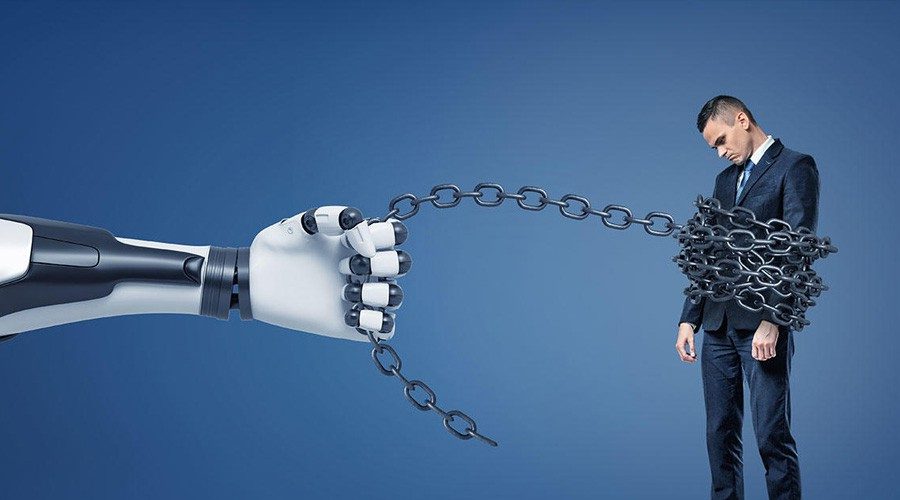
One of the primary goals of AI technologies is to alleviate the human workload and prioritize automation across various sectors. We can utilize this technology in every field. For instance, chatbots are now used in customer service, AI tools perform tasks in software development, and you can find solutions to almost any problem in seconds.
These are undoubtedly among the advantages of AI. Tasks that would normally take hours can be completed in a very short time thanks to AI. This reduces human effort, increases speed, and allows us to dedicate our time to more beneficial activities. However, the situation isn’t always so positive, as there are also numerous disadvantages. People are now getting answers to their questions with less critical thinking. Curious about something? You can instantly ask ChatGPT or Gemini and get an answer without much thought. Need an image? You can generate it in seconds without any effort. Looking for employees for your company? Instead of hiring people, you can integrate AI tools into your system and company by paying a certain monthly fee. This situation could lead to negative consequences for individuals, particularly affecting their critical thinking skills.
Laziness or Transformation?


The issues mentioned above demonstrate that AI can have both benefits and drawbacks. Throughout history, every major technological leap has been met with similar concerns. The invention of computers and smartphones also sparked worries among experts about people becoming “lazy.” However, each time, new opportunities emerged for humans, and different skills came to the forefront.
For artificial intelligence, everything depends on us. We will determine whether this technology leads to laziness or transformation. If we become too comfortable and let AI do everything, the outcome won’t be positive. Especially if humanoid robots become widespread, we could indeed see a “lazy” human race in the future.
However, if we can effectively channel this revolution, these automation technologies can lead to “transformation.” The emergence of new job opportunities, the rise of experts in AI technologies, and people shifting from routine tasks to more strategic, thought-oriented issues could be beneficial in the long run. Thus, instead of becoming lazy, we might see a change in our priorities and experience a transformation. In short, everything is in our hands.
What Will We See in the Future with AI?

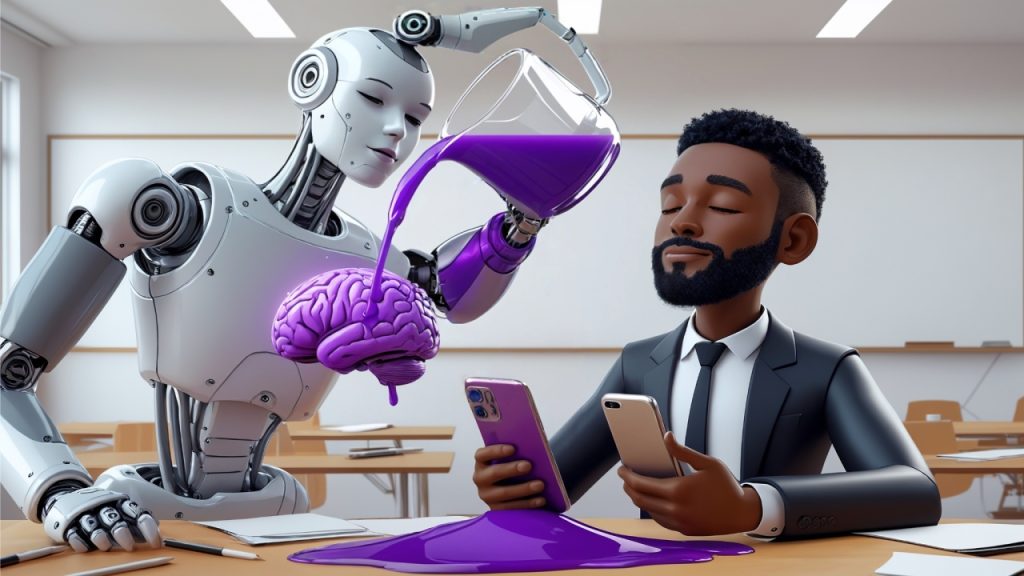
- New professions and skills will emerge.
- AI will be able to take over jobs currently performed by humans.
- Radical changes will occur in fields like education due to AI integration.
- There will be shifts in human behavior.
These are some of the changes we might see in the near future with AI technology. People might become more passive due to automation, leading to changes in behavior. The use of AI in many areas, from education to defense, could bring about vastly different methods than what we see now. It is crucial that all these changes benefit us.
What Should We Do?
As stated before, it all comes down to us. It is essential to use AI technologies consciously. Instead of letting AI do everything, we need to learn to work with it. Viewing it as a partner for productivity, rather than a tool for laziness, is crucial. Humanity has managed to adapt to every revolution throughout history. We hope to see a similar outcome with artificial intelligence.
Do you believe humanity will successfully adapt to this AI revolution, or will we see a decline in critical human skills?
You Might Also Like;
-
-
-
-

-
-

-
-

-

-

-

-