

The Web3 ecosystem has grown rapidly over the past few years, transforming how people earn, invest, and build online. In 2026, opportunities to make money in decentralized networks are more accessible than ever, thanks to improved blockchain scalability, the rise of AI-driven smart contracts, and mainstream adoption of digital assets. Whether you are a beginner or an advanced user, here are the most effective ways to earn in Web3 today.
1. Staking and Yield Farming

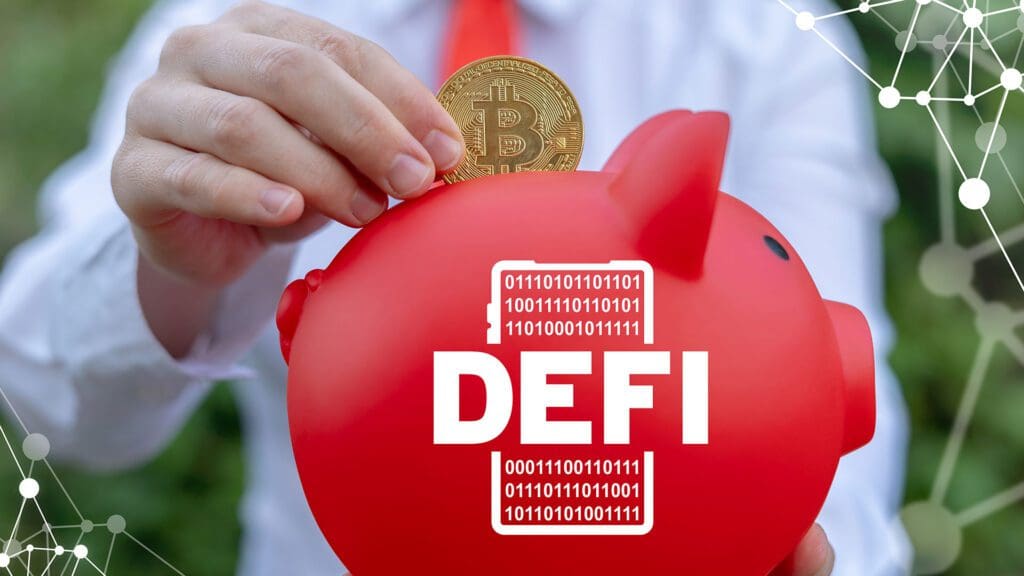
One of the simplest methods to generate passive income is through staking cryptocurrencies. By locking tokens into a proof-of-stake blockchain, users help secure the network and earn staking rewards. Meanwhile, yield farming allows investors to provide liquidity in DeFi platforms, earning interest and governance tokens. In 2026, many DeFi protocols now offer risk-adjusted yield strategies powered by AI to minimize losses.
2. Play-to-Earn (P2E) Games and Metaverse Economies

Play-to-Earn games and metaverse platforms remain strong revenue sources. Players earn NFT assets and in-game tokens that can be traded for real money. Unlike early P2E models, modern 2026 games focus on sustainability, ensuring tokenomics are designed for long-term value. Virtual land sales, digital fashion, and metaverse job opportunities (such as hosting events or building 3D environments) also bring income streams.
3. NFT Creation and Royalties


Artists, musicians, and creators continue to benefit from NFT marketplaces. By minting NFT collections, creators can earn upfront sales plus royalty fees each time their work is resold. With NFT 2.0 technology in 2026, creators can embed dynamic utilities—such as access to private clubs, live events, or evolving artwork—making their assets more valuable.
4. Decentralized Autonomous Organizations (DAOs)


Becoming part of a DAO can be both profitable and influential. Members often receive governance tokens, which can appreciate in value. Additionally, DAOs pay contributors for development, marketing, and community-building roles. Many DAOs in 2026 function like decentralized startups, offering token-based salaries and profit-sharing mechanisms.
5. Decentralized Freelancing and Work Platforms


The Web3 gig economy is booming. Instead of relying on centralized platforms, professionals can now work through decentralized freelancing marketplaces powered by smart contracts. Payments are instant, transparent, and censorship-resistant. Skills in blockchain development, smart contract auditing, AI + Web3 integration, and community management are in high demand.
6. Tokenized Real-World Assets (RWAs)
A major 2026 trend is the tokenization of real-world assets like real estate, commodities, and even intellectual property. By owning fractionalized tokens, investors can gain exposure to high-value markets without needing millions of dollars. This new class of digital assets opens the door for passive income streams, such as real estate rent distributed via blockchain.
7. Content Creation and SocialFi
SocialFi platforms allow creators to monetize content directly, without middlemen. Users can issue creator tokens, offer subscription-based access, and earn from fan engagement. Unlike traditional social media, creators fully own their audience relationships. This trend is expected to dominate Web3 in 2026, especially with integrated AI recommendation systems that help users grow faster.
Final Thoughts
Making money in Web3 in 2026 is no longer limited to tech-savvy crypto enthusiasts. From staking to NFTs, from DAOs to tokenized assets, opportunities are more diverse and sustainable than ever before. The key is to understand risk, diversify across different Web3 income streams, and stay updated on emerging blockchain innovations.
The future of earning online is decentralized—and it’s already here.
You Might Also Like;
- The Mystery of the Far Side: What Is Hiding in the Lunar Shadows? | Metaverse Planet
- The Doomsday Clock Hits 85 Seconds to Midnight: Are We Out of Time?
- Nvidia’s AI Can Now Predict the Future (Of Weather)
-

-

-

-

-

-
-

-

-

-

-

-

