
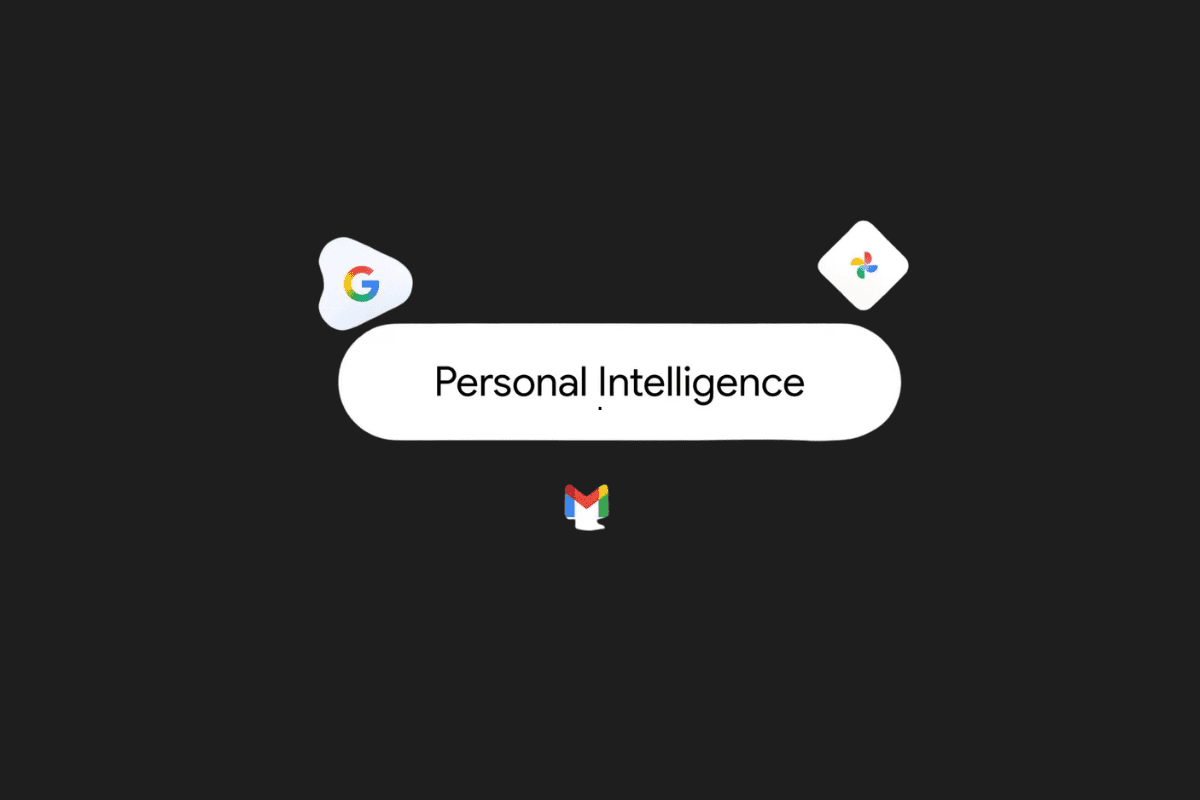
I use artificial intelligence every single day, and if I’m being completely honest, my biggest pet peeve is the constant need to explain myself. Every time I open a new chat, I have to set the stage: “I like sci-fi, I use a Mac, I prefer concise answers…” It gets exhausting. But while digging into Google’s latest updates this morning, I realized that era of repetitive prompting might finally be over.
Google has officially started rolling out its Personal Intelligence feature to a wider audience. Initially teased earlier this year, this system is now live in the US across Google Search’s AI Mode, the Gemini app, and directly within Chrome.
Instead of treating you like a stranger every time you log on, this AI actually knows you. But how does it work, and more importantly, is it actually useful or just a little bit creepy? Let’s break down why this is a massive leap forward for personal assistants.
The End of the “Context Dump”
What makes Personal Intelligence so groundbreaking is its deep integration with the Google ecosystem you are already using. By tapping into your Gmail and Google Photos data, the AI builds an understanding of your past purchases, habits, and preferences.
You no longer have to feed it endless details. When you ask a question, the AI pulls from your historical data to give you a hyper-personalized answer. It’s the difference between asking a stranger for advice versus asking your best friend.
Here are the most impressive ways I’ve seen this play out so far:
1. Hyper-Personalized Shopping


Forget generic “customers also bought” suggestions. If you recently bought a specific pair of running shoes (and the receipt went to your Gmail), asking the AI for a matching gym bag will yield results specifically curated to the brand, color palette, and style of those exact shoes. It’s like having a personal shopper who remembers your entire wardrobe.
2. Zero-Friction Tech Support
This is the feature I am most excited about. Imagine your Wi-Fi goes down or your smart TV starts glitching. Normally, you’d have to crawl behind the TV to find the exact model number before searching for a fix. With Personal Intelligence, you just ask, “How do I reset my router?” The AI checks your purchase history, identifies the exact make and model you bought three years ago, and gives you the specific troubleshooting steps. That alone is a massive time-saver.
3. A Smarter Travel Companion

Navigating airports is stressful enough. Google has tailored this AI to handle the micro-logistics of travel. If you have a layover, the AI doesn’t just tell you the time; it calculates the walking distance between your specific arrival and departure gates, factors in the time you have, and suggests food options along that exact route based on your culinary preferences.
4. Ditching the “Top 10” Lists
Whenever I travel, I hate relying on generic SEO-driven travel blogs that send everyone to the same crowded tourist traps. Personal Intelligence analyzes your actual interests. Instead of giving you the standard “Top 10 things to do in Rome,” it will suggest hidden, niche spots tailored specifically to you—whether that means obscure indie bookstores or highly-rated local coffee roasters.
5. Connecting the Dots for New Hobbies

The system can even act as a creative muse. By analyzing the types of articles you read, the photos you take (like nature shots), and the things you buy, it can suggest entirely new hobbies. If it notices you love hiking and reading deep philosophical essays, it might gently suggest specific nature poetry or journaling techniques you’ve never considered.
The Privacy Trade-Off
Now, I can’t talk about an AI reading my emails and looking at my photos without addressing the elephant in the room: Privacy. Giving an AI this level of access to our digital lives requires a massive amount of trust. Google states that this data is processed securely to provide these tailored experiences, but it ultimately comes down to your personal comfort level. For me, the convenience of having an assistant that truly understands my context outweighs the initial weirdness of it knowing what router I use. However, I highly recommend checking your Google account settings to ensure you are comfortable with the permissions you are granting.
Currently, Personal Intelligence is rolling out gradually to free users in the US via the Gemini app and Chrome, with a global release expected soon.
I honestly believe this is the moment AI shifts from being just a “smart encyclopedia” to a genuine, proactive personal assistant. The less time I spend explaining who I am to an AI, the more time I can spend actually getting things done.
What do you think? Are you ready to let Google’s AI read your emails to give you better travel and shopping advice, or does this level of personalization feel a bit too invasive for your taste? Let me know in the comments!
You Might Also Like;
- A Century-Old Aviation Dream Reborn: The Channel Wing VTOL Takes Flight
- The Dawn of the Automated Battlefield: How Ground Robots Are Redefining Warfare
- The Insatiable Hunger of AI: Why Tech Giants Are Chasing Natural Gas
-

-

-

-

-

-

-
-
-

-

-

-
