
I remember when AI first started writing coherent text; I was fascinated. Then came the era of AI generating hyper-realistic images, which completely changed the way we look at digital art. But today, while digging into Google’s latest update to the Gemini platform, I genuinely got goosebumps. Google isn’t just processing text or pixels anymore—they are turning your everyday photos into actual, original songs.
We are officially stepping into an era where you can literally hear your photographs. Let’s dive into how the new Lyria 3 model is transforming Gemini into your personal, pocket-sized composer, and why I think this is a massive shift for digital creators.
The Magic of Lyria 3: No Musical Background Required


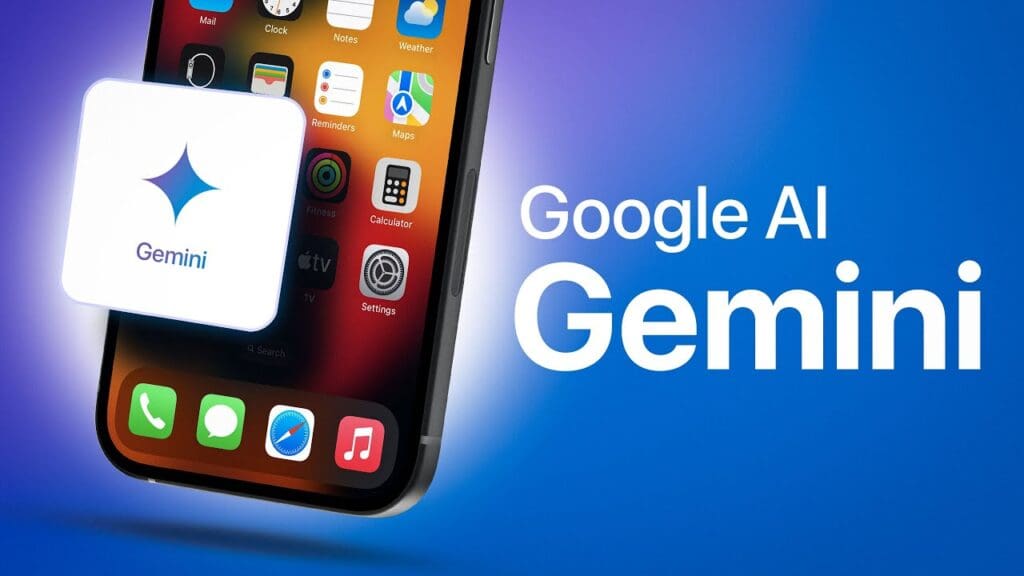
For a long time, Gemini has been our go-to assistant for drafting emails, analyzing documents, or organizing our schedules. But now, it’s putting on a pair of studio headphones. By integrating the highly advanced Lyria 3 multimodal model, Google is allowing users to generate high-fidelity music tracks with nothing more than a simple prompt or a visual cue.
Honestly, what strikes me the most about this update is the sheer accessibility. You don’t need to know how to read sheet music, and you definitely don’t need to know how to play an instrument.
Here is what you can do right now:
- Text-to-Music: Type in a wild idea. The example that cracked me up during my research was asking for “a funny R&B song about a sock looking for its mate.” Within seconds, the AI spits out a rhythmic, surprisingly catchy track.
- Image-to-Music: This is the feature that blew my mind. You can upload a photo from your camera roll, and the AI will analyze the mood, the colors, and the subject matter to compose a customized soundtrack specifically for that image.
- Total Creative Control: While the AI handles the heavy lifting of lyric writing and melody composition, you remain in the director’s chair. You can dictate the vocal style, the tempo, and the overall musical genre.
Not Just Audio: Enter Nano Banana
What makes a great song even better? Great cover art. Google didn’t stop at just generating audio. For every single track you create using Lyria 3, Gemini utilizes the Nano Banana image model to automatically generate a unique, high-fidelity album cover. It’s a complete package—audio and visual—delivered in seconds.
A Playground for Expression, Not a Beethoven Replacement


When I first heard about this, a part of me wondered: Is Google trying to replace human musicians? After looking closer at the mechanics and Google’s official stance, I realized that’s not the goal at all. Lyria 3 is currently designed to produce 30-second tracks. It is not here to write the next ten-minute progressive rock masterpiece or replace your favorite Spotify artists.
Instead, Google is focusing on individual expression.
- It’s about giving a voice to the tone-deaf poet.
- It’s about letting a content creator instantly generate a unique background track for their vlog without endlessly scrolling through royalty-free music libraries.
- It’s a fun, engaging way to interact with your own memories. Imagine taking a video of your dog running in the park and having Gemini instantly score it with an epic cinematic orchestra.
The Elephant in the Room: Copyrights and SynthID

Whenever we talk about AI and music in the same sentence, the immediate, glaring question is always about copyright. The music industry is incredibly protective of its artists, and rightfully so. How does Lyria 3 avoid stepping on the toes of real-world musicians?
Google seems to have taken a very cautious, responsible approach here. Rather than allowing the model to directly mimic or deepfake a specific pop star’s voice, Lyria 3 is trained to take “broad inspiration” from musical styles rather than directly copying them.
But the real hero here is SynthID.
- Digital Watermarking: Every single audio file generated by Lyria 3 is embedded with a SynthID watermark.
- Undetectable but Traceable: You can’t hear this watermark with the human ear, but it is deeply woven into the audio spectrum. This means platforms and rights holders can easily scan a track and instantly know, “Yes, this was generated by AI.”
Google is also rolling out complaint mechanisms to ensure that if any boundaries are crossed, rights holders have a clear path to address them.
Seamless Integration with YouTube Shorts
To get this technology into the hands of creators as quickly as possible, Google is already integrating it into the YouTube ecosystem. Through the “Dream Track” feature on YouTube Shorts, creators (currently 18 and older, across languages like English, German, and Hindi) can start experimenting with these AI-generated sounds directly in their short-form videos. It’s a brilliant move that will likely result in an explosion of entirely new meme formats and viral audio trends.
Final Thoughts

As I sit here playing around with these new capabilities, I realize that the barrier between a creative thought and a tangible piece of art is completely vanishing. We are moving from a world where we consume media to a world where we effortlessly co-create it alongside our digital assistants.
But I want to pass the mic over to you. What do you think about the idea of AI turning your personal photos into songs? Would you use Lyria 3 to soundtrack your daily life on social media, or do you feel that composing music should remain strictly a human endeavor? Drop a comment below—I’m genuinely curious to read your takes!
You Might Also Like;
- The Dark Side of Nanotechnology: Could Microscopic Swarms Erase Billions?
- The Illusion of Digital Immortality: Are You Really Uploading Your Mind?
- The View That Changes Everything: Artemis 2’s Deep Space Eclipse
-
-

-
-
-
-
-

-
-
-

-

-

