

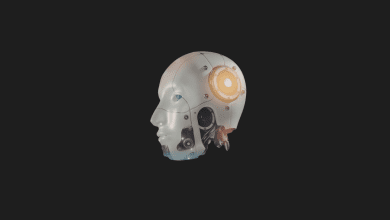
I’ve always thought that if we’re ever going to truly conquer the cosmos, we shouldn’t be sending humans into the most dangerous “first-contact” zones alone. It looks like China’s Engine AI is thinking exactly the same thing. They’ve just announced a partnership with the commercial space firm Interstellor to launch their PM01 humanoid robot into the final frontier.
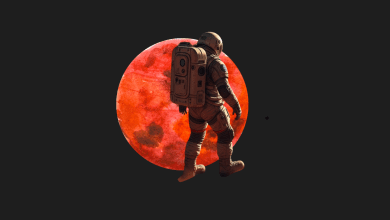
When I first dug into this news, I realized we aren’t just talking about a “metal can” floating in space. This is a strategic move to create the world’s first “Robot Astronaut” capable of handling the stuff that would, frankly, be a nightmare for a human body.
What Makes PM01 Special?

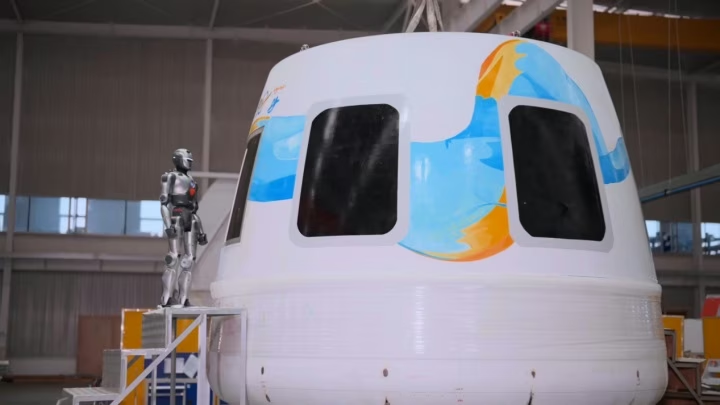
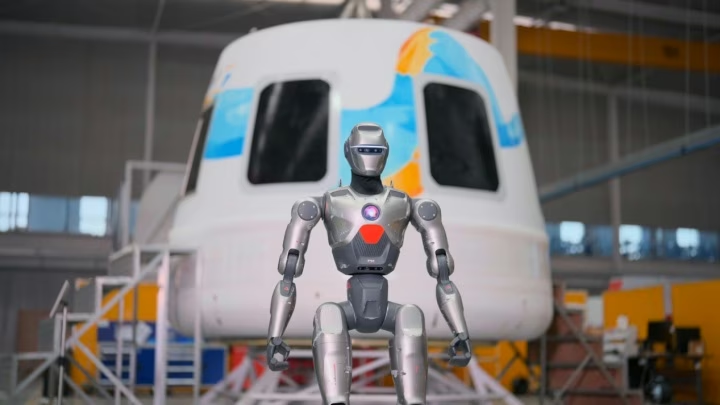
The PM01 isn’t your average factory bot. I’m impressed by the tech stack they’ve crammed into this frame. We’re looking at a dual-chip architecture—combining an Nvidia Jetson Orin module with an Intel N97 processor. For those who aren’t hardware nerds, that basically means the robot has a “brain” powerful enough to handle complex sensing and real-time movement simultaneously.
Key Technical Specs:
- Height/Weight: 138 cm and 40 kg (compact and agile).
- Vision: Equipped with Intel RealSense depth cameras for spatial awareness.
- Flexibility: A unique waist design that allows for 320-degree rotation.
- Intelligence: General-purpose AI with high-precision sensors and autonomous decision-making.
I find it fascinating that Engine AI didn’t just build a bulky tank. They built something biomimetic—meaning it moves like us. In a space station designed for humans, a robot that has a human form factor is actually the most logical tool for the job.
Why Send a Humanoid Instead of a Satellite?
Let’s be real: space is a localized version of hell for biological life. Between the vacuum, microgravity, wild temperature swings, and constant radiation, keeping a human alive is incredibly expensive and risky.
I see three major wins for the PM01 mission:
- Risk Mitigation: PM01 can step outside the station for external maintenance while the humans stay safely behind the shield.
- Endurance: Robots don’t need oxygen, sleep, or “space food.” They can monitor hazardous areas 24/7 without a coffee break.
- Exploration: Sending a humanoid into unexplored lunar or planetary craters first allows us to test the terrain with “eyes and hands” before a person ever sets foot there.
From the Retail Shelf to the Space Station

Here’s the kicker that really surprised me: You could actually buy a version of this robot right now. Last year, Engine AI released the PM01 JD Joy Inside on JD.com for about $27,000.
While the commercial version is designed for research and interaction (it even has customizable “personalities”), the space-bound version is being hardened for the toughest environments imaginable. It’s a classic case of “consumer tech meets galactic ambition.”
The Big Picture: A New Era of Space Tourism

This isn’t happening in a vacuum (pun intended). Their partner, Interstellor, is planning the CYZ1 mission for 2028, aiming to take passengers to a 100km altitude. By 2032, they want to hit the 400km orbital mark.
Imagine booking a flight to orbit and having a PM01 unit as your flight attendant or safety officer. It sounds like science fiction, but the timeline is closer than we think. I personally think we’re witnessing the birth of a new workforce—one that doesn’t breathe, but definitely learns.
If you had the chance to go to orbit, would you feel safer knowing a humanoid robot was there to handle the technical emergencies, or would you prefer a human crew member by your side?
You Might Also Like;
- Nvidia’s AI Can Now Predict the Future (Of Weather)
- The Tipping Point: Electric Cars Overtake Petrol in Europe
- Snapchat Doubles Down on AR: Meet Specs Inc.
-

-
-
-
-

-

-

-

-
-
-

-

