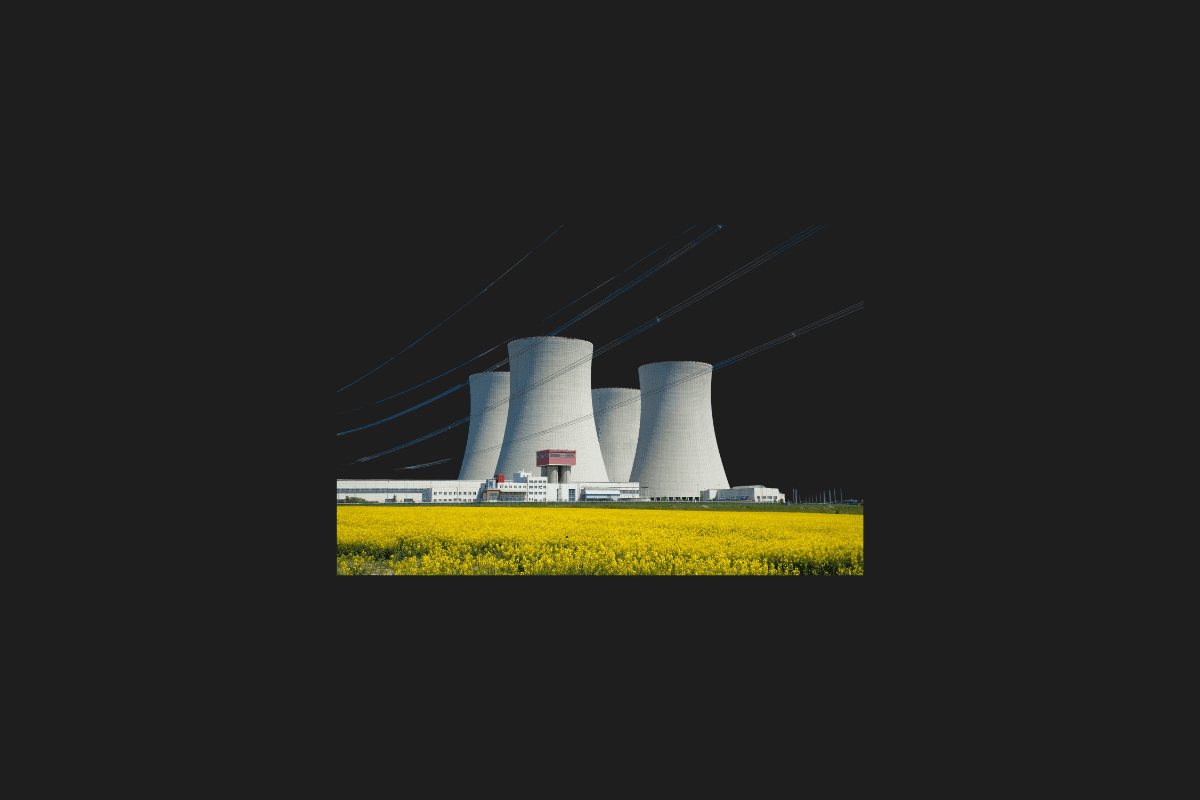
I have been following global energy trends for years, often getting lost in the details of renewable tech or fusion dreams. But to be honest, what I just read about China’s latest move in the energy sector made me stop scrolling and actually say, “Wow.”
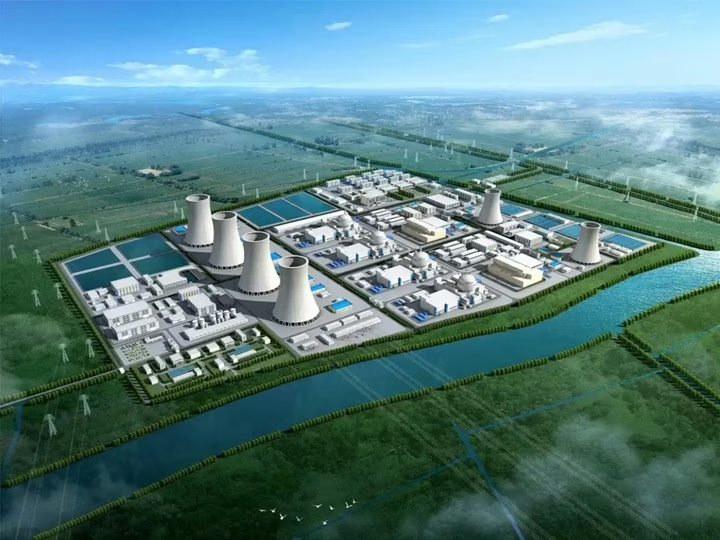
We are used to nuclear power plants doing one thing: generating electricity to keep our lights on and our servers running. But China is flipping the script with the Xuwei Nuclear Heating and Power Project. They aren’t just building a power plant; they are building the world’s first “hybrid” nuclear facility that mixes different generations of technology to feed heavy industry directly.
It sounds like science fiction, but the concrete has already been poured in Jiangsu. Let’s dive into why this is such a massive deal and why I think it changes the conversation around clean energy.
Not Just Another Power Plant

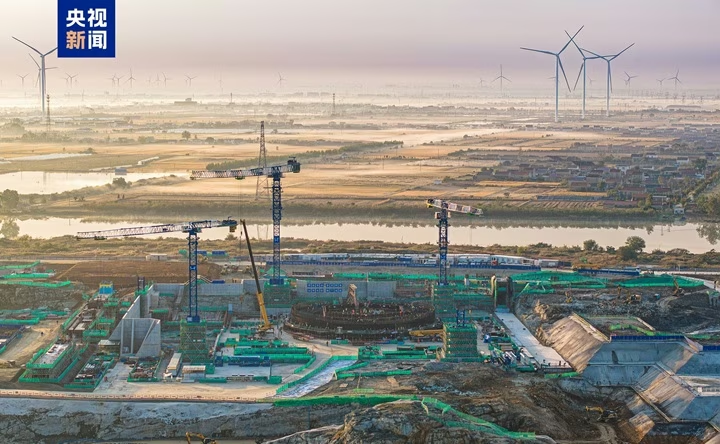
Usually, when we talk about nuclear advancements, we talk about safety or size (like SMRs). The Xuwei project is different. It is arguably the first time I’ve seen such a bold integration of two distinct nuclear technologies under one roof.
Here is the setup that caught my attention:
- The Workhorses: Two 3rd-Generation Hualong One pressurized water reactors (PWR). These are the reliable beasts we know, churning out 1208 MWe each.
- The Innovator: A 4th-Generation High-Temperature Gas-Cooled Reactor (HTGR) with 660 MWe capacity.
Why mix them? This is the brilliant part. It’s like having a reliable diesel truck engine working in perfect sync with a futuristic hydrogen fuel cell. The China National Nuclear Corporation (CNNC) is calling this a “dual-coupling” project. It’s not just about electricity; it’s about heat.
The Steam Revolution: Feeding the Industrial Beast

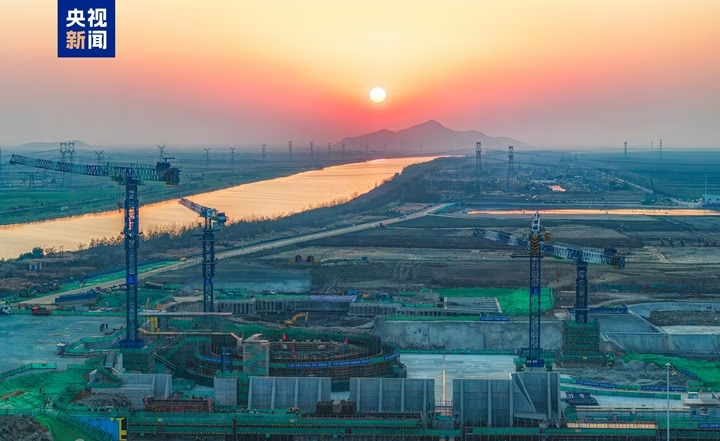
This is the part that fascinates me the most. If you look at global carbon emissions, a huge chunk doesn’t come from your car or your home AC—it comes from industrial heat. Factories need massive amounts of steam to refine chemicals, make steel, and process materials. Until now, they burned coal or gas to get that heat.
The Xuwei plant is designed to supply steam directly to the Lianyungang petrochemical base, one of the biggest industrial hubs in China.
How the “Hybrid” System Works
I dug into the technical details, and the engineering logic here is incredibly smart. It uses a two-stage heating process:
- Stage One: Demineralized water is heated by the standard Hualong One reactors to create saturated steam.
- Stage Two: This is where the magic happens. That steam is sent to the High-Temperature Gas-Cooled Reactor (HTGR). Because gas reactors operate at much higher temperatures than water reactors, they can superheat this steam to levels required for heavy chemical cracking and distillation.
It is a symbiotic relationship between two nuclear technologies to solve a problem that solar or wind simply cannot fix right now.
The Numbers Are Actually Insane

I hate dry statistics, but sometimes the numbers tell the story better than words. When I looked at the projected impact of this single facility, the scale of it hit me.
Once this hybrid beast is fully operational, here is what it delivers annually:
- 32.5 Million Tons of industrial steam.
- 11.5 Billion kWh of electricity.
But here is the real kicker for the environment: By replacing the coal that would normally be burned to create that steam and electricity, this plant saves 7.26 million tons of raw coal every year. That translates to preventing 19.6 million tons of Carbon Dioxide (CO2) from entering our atmosphere.
To put that in perspective, nuclear steam is about 600 times cleaner than coal steam and 100 times cleaner than gas. When I see stats like that, I realize that the path to a “Net Zero” world isn’t just about Tesla cars; it’s about projects like this.
Robots Building Reactors?


As a tech enthusiast, I couldn’t ignore the construction side of this news. You might think pouring concrete is low-tech, but the way they are building Xuwei is straight out of a futurist’s playbook.
The project team isn’t just relying on blueprints; they are using hierarchical digital simulations. They modeled the entire control logic of these mixed reactors before breaking ground.
On the physical site, they are using:
- Laser-guided tracking technologies.
- Robotic welding systems (MAG).
I read that the robotic welding is three times more efficient than manual labor. It seems the construction industry is finally catching up to the manufacturing industry in terms of automation.
Why This Matters to Us
You might be asking, “Ugu, why do I care about a steam plant in China?”
Here is my take: We are entering an era where energy demand is skyrocketing (thanks to AI data centers and EV charging). At the same time, we need to decarbonize heavy industry. This hybrid model proves we don’t have to choose between reliability and innovation. We can use the nuclear tech we have (Gen 3) and boost it with the tech of the future (Gen 4).
If this project succeeds, it becomes a blueprint. Imagine a steel plant in Europe or a chemical refinery in Texas powered entirely by a hybrid nuclear reactor, releasing zero smoke. That is a future I want to see.
It’s risky, sure. Integrating two different nuclear systems is complex. But fortune favors the bold.
I’d love to hear your thoughts on this. Do you think other countries will adopt this “Hybrid Nuclear” model for their industries, or is the safety risk of mixing reactor types too high? Let’s discuss in the comments!
You Might Also Like;
- A Century-Old Aviation Dream Reborn: The Channel Wing VTOL Takes Flight
- The Dawn of the Automated Battlefield: How Ground Robots Are Redefining Warfare
- The Insatiable Hunger of AI: Why Tech Giants Are Chasing Natural Gas
-

-

-

-
-
-
-
-
-

-

-

-