We are here with a topic at the forefront of the technology agenda: The Metaverse! It is entering every aspect of life, causing transformations in the economy, personal lives, legal fields, and education. But are these transformations limited, or could the Metaverse completely take over our lives? Let’s see how artificial intelligence answered this question!
1. We must look at how far we can push the boundaries of technology.


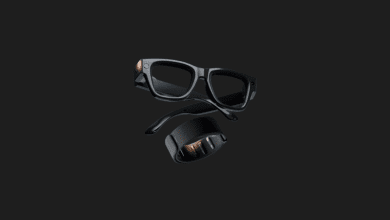
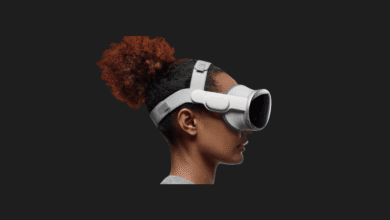
First, we need to define what the Metaverse is. Thanks to AI support, it helps you achieve an experience very close to the physical world. How? With virtual reality headsets and brain-computer interfaces! When we look at how far they’ve come, we are amazed. However, the AI says there are still technical shortcomings for it to work flawlessly: energy consumption, connectivity levels, and equal access… When we consider these and many other factors, I see that the technology is not quite sufficient. But as it develops, why not?
2. Let’s say it pushes the limits of technology; how would it change our perception of reality?

What does the human brain perceive as ‘real’? It sees the data obtained through experience as real. Therefore, experiences in virtual environments can affect us both emotionally and cognitively. This is why we might start having difficulty distinguishing between the real and the virtual. The very definition of reality would begin to change. Wouldn’t this bring about a social evolution?
3. But what about economic life? Can it become virtual?


The AI tells us that the Metaverse is already intertwined with the digital economy! Virtual real estate, virtual clothing, NFTs, cryptocurrency-based commerce… If these trends continue, traditional economic structures will also start to transform. Of course, this change will bring many processes with it. New legal, tax, and property issues will arise. In other words, if a change occurs, it will have serious effects on the economic structure of real life!


In the Metaverse, people can change their physical appearance, gender, and even their names! Social relationships are no longer face-to-face but take place in a virtual environment. With the identities they choose in this space, people may start to feel more liberated. However, the AI also notes that this situation is risky… Having two identities, one real and one virtual, could lead to confusion. Therefore, negative psychological effects may follow!
5. We’ve come to one of the most important things! Let’s examine the field of education.


The Metaverse has the power to revolutionize education! Students could engage in lessons more vividly in virtual classrooms. It could make learning easier by bringing a battle scene to life in a history class, maps in a geography class, or even the human body in a biology class. But the AI warns us again. It says that the interaction between teacher and student could be negatively affected. The pedagogical balance must be maintained!
6. Well, wouldn’t a number of ethical issues arise?
It’s not possible to fully explain the concept of crime in the Metaverse. There isn’t as clear a definition as in physical life. Virtual property issues, digital harassment, excessive disputes between avatars… All of these require the creation of new laws and ethical codes. It involves many questions, such as which country’s legal system will be accepted and who will be responsible! In other words, if it wants to take a place in real life, it must have a legal foundation.
7. So, does the need for real life decrease with the Metaverse?

If we can satisfy all our needs in the Metaverse, then why would we need the real world? Going out, face-to-face conversations, and physical activities would greatly diminish. However, human biology would still be tied to real life. Why? Because we need to eat, touch, and move. For these to happen, the physical world must exist! Although some things have alternatives in the virtual world, we cannot talk about a complete replacement.

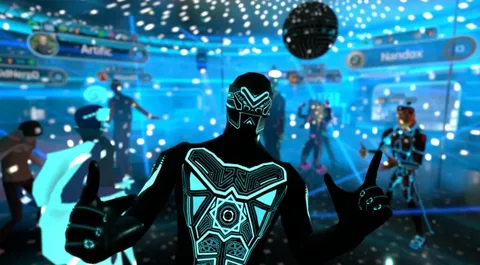
Cultural differences may begin to dissolve. Values, languages, traditions… All could be lost within the Metaverse. On the other hand, the transfer of cultural knowledge would become easier. We can call it an effective way to strengthen collective memory. Still, since there will be no physical experience, we don’t know if it can replace real cultural interactions. How effective can a virtual museum tour be?
You Might Also Like;
-

-

-
-
-
-
-

-
-
-

-

-