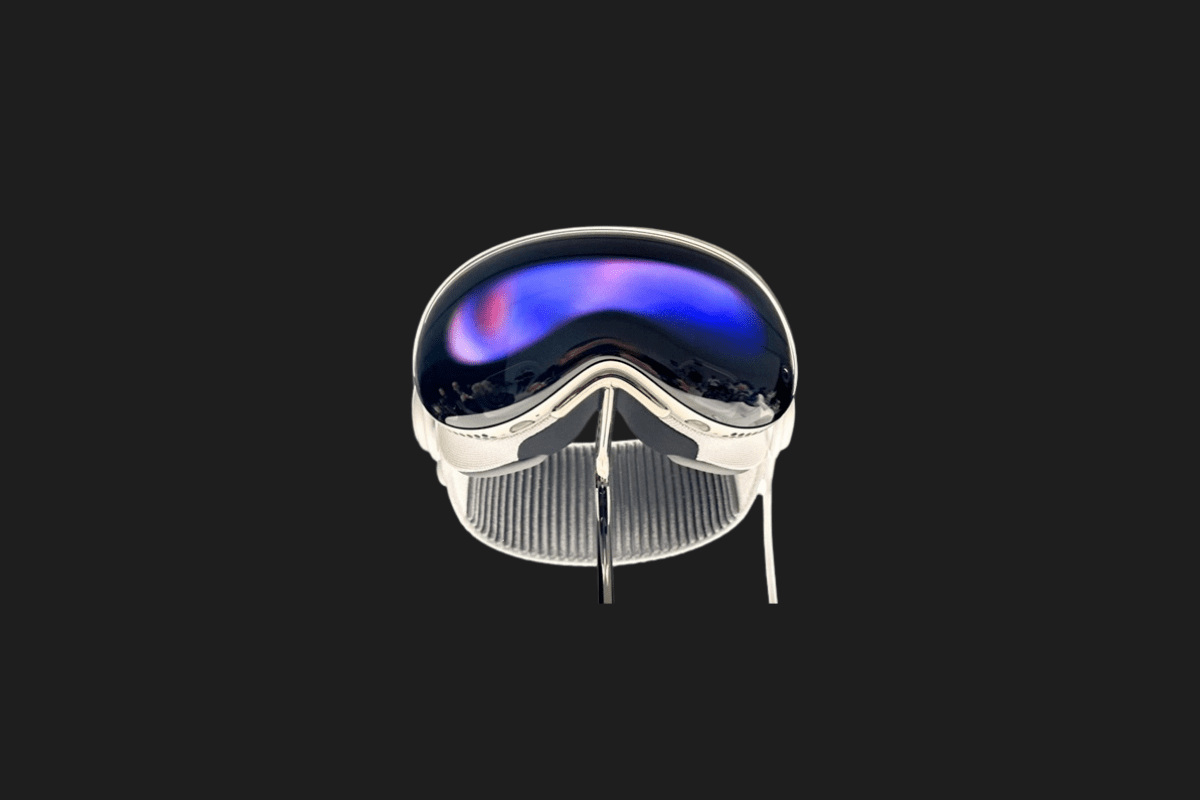
Samsung has stopped the production of the low-cost micro-OLED screens required for Apple’s lighter and more affordable Vision Air headset. Here are the details…
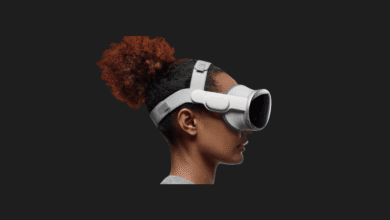
The glass-based micro-OLED G-VR panel developed by Samsung for Apple has now been removed from the production phase. This new change creates a significant obstacle for Apple’s long-rumored Vision Air project.
A Change in Strategy

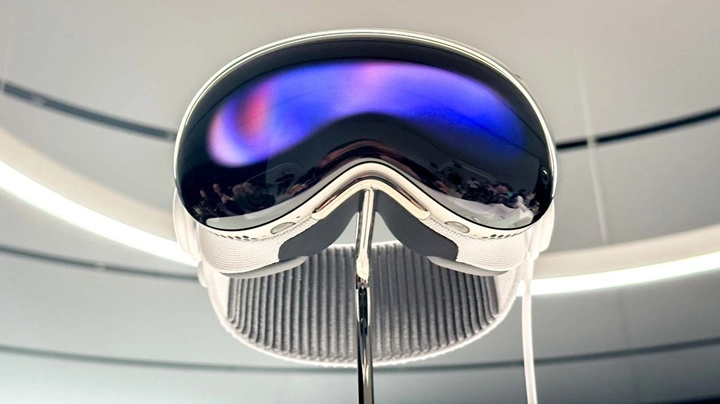
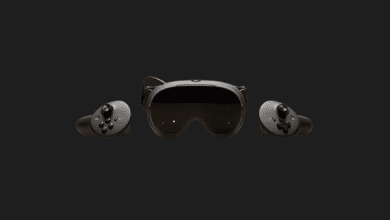
For those who missed it, G-VR technology, with its glass-based micro-OLED structure, would have made it possible to develop a more affordable model compared to the Vision Pro. It is reported that Apple has suspended this project, and Samsung’s decision may be linked to this halt in production.
At the root of the change in Apple’s strategy lies the Vision Pro’s high price and limited market impact. There is also the competitive pressure created by the Galaxy XR‘s $1,800 price tag in the company’s product planning. Similarly, the fact that the Vision Pro cannot reach mass audiences at the $3,499 price level is causing Apple to re-evaluate the feasibility of a lower-cost XR device.
Focus Shifts to Smart Glasses
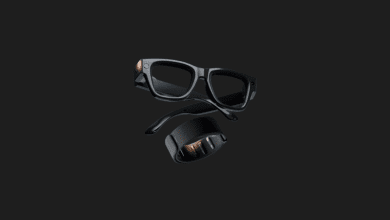
According to the latest information, Apple will take a step back in the VR/AR headset segment and direct its focus toward AI-supported smart glasses. The first model without a screen is expected to be released in 2026, followed by a more advanced version in 2027.
Although the cancellation of Samsung’s G-VR project eliminates the possibility of a more affordable Vision Air in the short term, it appears that Apple wants to open a new page for the XR ecosystem. This restructuring process signifies a noteworthy transformation in both the company’s hardware strategy and long-term product planning.
You Might Also Like;
- The Mystery of the Far Side: What Is Hiding in the Lunar Shadows? | Metaverse Planet
- The Doomsday Clock Hits 85 Seconds to Midnight: Are We Out of Time?
- Nvidia’s AI Can Now Predict the Future (Of Weather)
-

-

-
-
-
-
-

-
-

-

-

-