
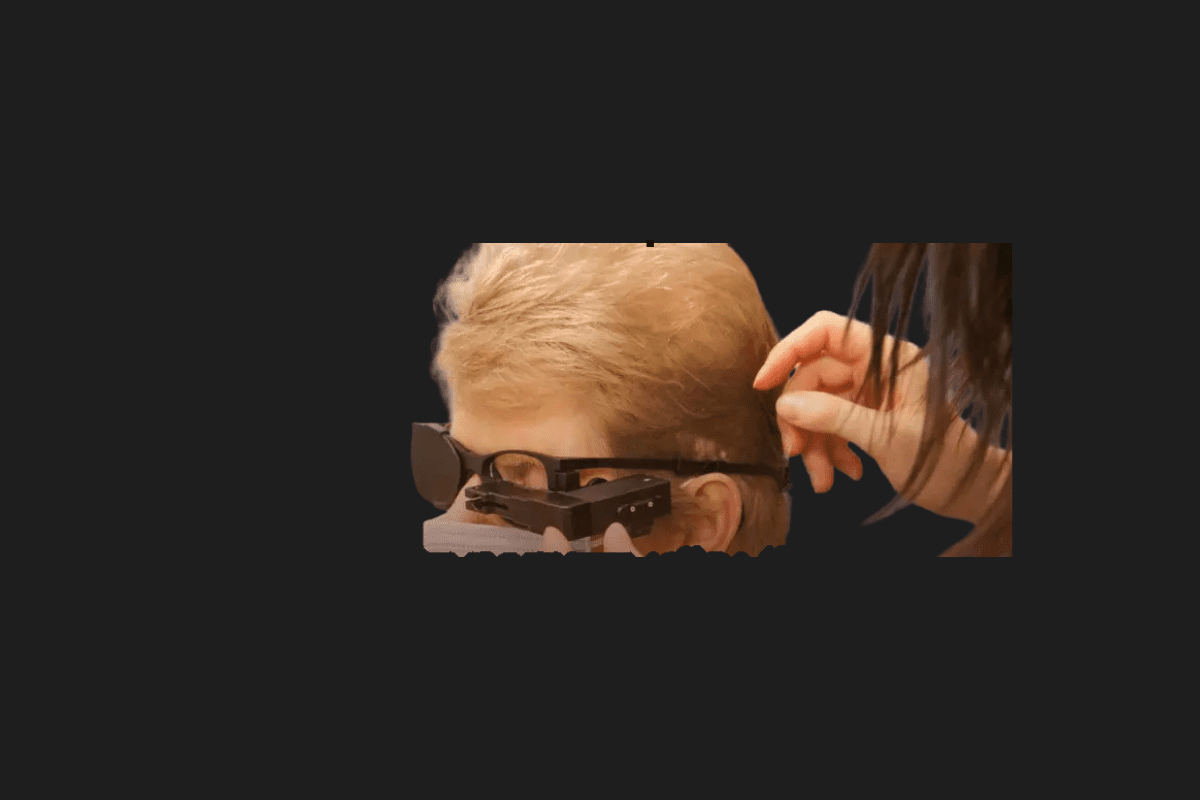
With the help of a new eye implant and artificial intelligence, visually impaired people were able to read letters and numbers. Here are the details of the research!
A groundbreaking clinical trial conducted in Europe enabled individuals who had lost their sight for years to read again. In the study, which included UCL and Moorfields Eye Hospital, 84% of participants were able to recognize letters, numbers, and words thanks to the artificial intelligence-supported electronic eye implant called PRIMA. Patients who previously could not distinguish any line in vision tests were able to read an average of five lines after the surgery.
The study, conducted on 38 patients experiencing vision loss due to dry age-related macular degeneration (AMD), showed that the device offered a ray of hope, especially in cases of untreatable blindness called “geographic atrophy.” According to researchers, this development could usher in a new era in the history of artificial vision.
The Implant is Only 2 Millimeters in Size
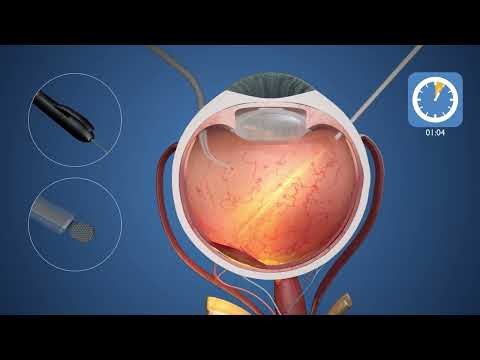
The PRIMA implant operates via a 2-millimeter microchip placed in the center of the eye. This chip transmits data from a computer connected to augmented reality glasses to the brain through artificial intelligence. The brain converts these signals into visual perception, granting the person a new “way of seeing.” Moreover, none of the patients experienced a loss in their remaining peripheral vision.
Sheila Irvine, who tried the implant, said, “It was incredible to see letters again. It is difficult to learn to read again, but I am getting better every day.” Researchers state that this technology could be a hope for millions of visually impaired people in the future.
You Might Also Like;
- The Mystery of the Far Side: What Is Hiding in the Lunar Shadows? | Metaverse Planet
- The Doomsday Clock Hits 85 Seconds to Midnight: Are We Out of Time?
- Nvidia’s AI Can Now Predict the Future (Of Weather)
-

-

-
-

-

-

-

-

-

-

-

-

