Amazon’s satellite network, Kuiper, which aims to be a rival to Starlink, is finally becoming a reality. After launching more than 100 satellites this year, Amazon has now signed its first agreement for satellite internet with an airline.


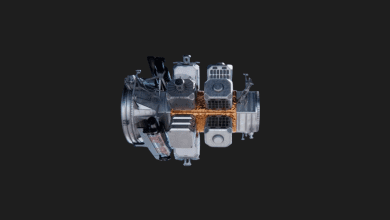
Starlink, a venture led by Elon Musk, is taking significant steps to make satellite internet much more widespread. Being a pioneer in this field has placed them in a highly advantageous position. However, Elon Musk’s Starlink is not the only rapidly growing satellite network. Parallel to Starlink, Amazon is also building its own satellite network in orbit. This project, named Kuiper, is now moving into the service phase.
Project Kuiper has signed its first agreement with an airline. The satellite internet provided by Kuiper satellites will be used on the aircraft of the American airline JetBlue starting in 2027. This will provide passengers with a secure and seamless Wi-Fi connection. You may recall that after launching its Starlink network, SpaceX also signed similar agreements with airlines like United Airlines, Hawaiian Airlines, and Air France.
Amazon’s Project Kuiper Is Finally Gaining Momentum
Although Project Kuiper has been in the preparation phase since 2019, it has fallen far behind Starlink due to setbacks. Amazon was only able to launch its first Kuiper satellites in April of this year. However, significant progress has been made since then. The Kuiper satellite network now has more than 100 satellites. Of course, this is far behind Starlink, which has over 8,000 satellites, but at least Amazon has started to make progress. The project was almost completely stalled until the beginning of this year. With the addition of the 100 satellites launched this year and the agreements that have been made, we can say that Amazon is at least gaining ground. This isn’t the first major agreement signed this year. In April, Amazon also signed an agreement with Airbus to integrate the Kuiper system into their aircraft.
You Might Also Like;
- The Dark Side of Nanotechnology: Could Microscopic Swarms Erase Billions?
- The Illusion of Digital Immortality: Are You Really Uploading Your Mind?
- The View That Changes Everything: Artemis 2’s Deep Space Eclipse
-

-

-

-
-
-
-
-

-
-
-

-