
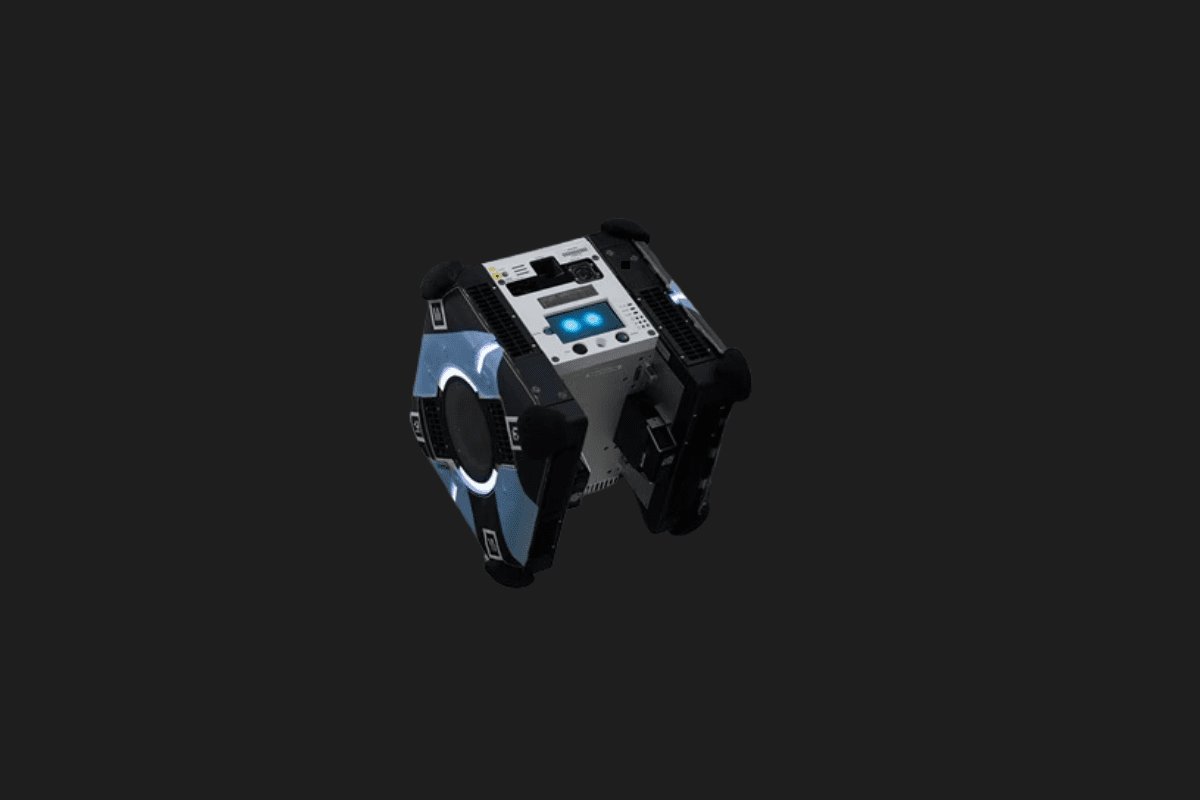
A machine learning-based control system, used for the first time on the ISS, safely accelerated the Astrobee robot‘s maneuvers in confined spaces, reducing task duration by 60%.
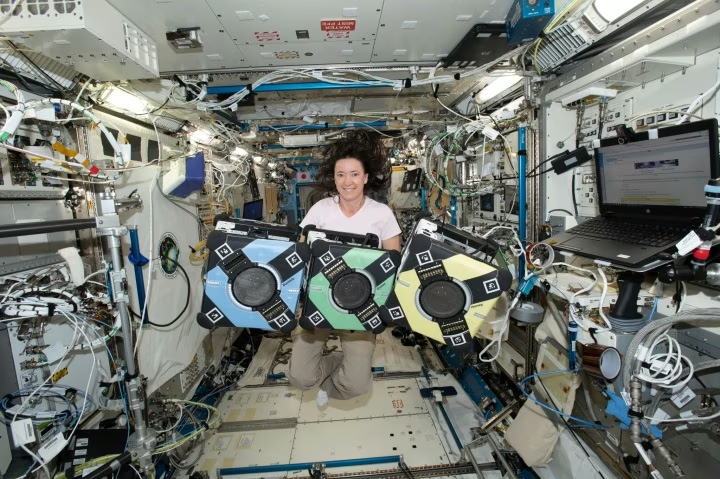
An AI-supported control system was operated under real mission conditions on the International Space Station (ISS) for the first time. The results are quite impressive. The system, developed by a team from Stanford University, allowed the cube-shaped Astrobee robot serving on the station to navigate much more fluidly and safely through narrow passages and sections filled with equipment. Thanks to this new approach, the robot’s task duration was significantly shortened with a speed increase of up to 60%.

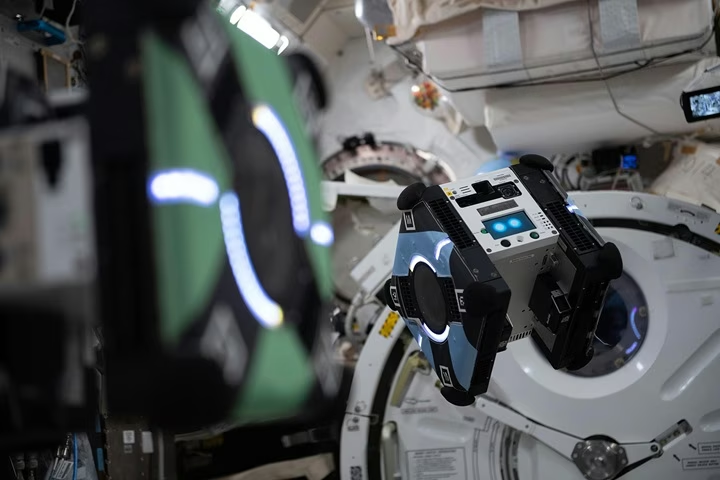
AI is Shaping Space Too The ISS’s densely populated structure creates a very challenging navigation environment for robots due to areas filled with cables, racks, experiment modules, and computers. Under these conditions, motion planning, while possible with traditional algorithms used in robotic systems on Earth, cannot be implemented efficiently due to the limited processing power of space hardware.

To overcome these difficulties, the team first developed an optimization method that ensures the creation of safe routes. This approach, called sequential convex programming, required a calculation process that resolved every step to ensure the robot proceeded without hitting obstacles. However, while this method provided high accuracy, it increased processor load and slowed down the process.
Researchers then trained a machine learning model. This model offers the algorithm a “warm start” shaped by experience instead of a direct “cold start.” In other words, by making the initial guess much more accurate, it significantly shortens the calculation time. While no changes are made to safety constraints, the point the optimization needs to reach is achieved faster.
Technology Readiness Level 5 The system was tested at the NASA Ames Research Center before being sent to the ISS. In the trials initiated on the station, the crew was only involved in the preparation and cleanup stages. All commands were transmitted by the ground team from NASA’s Johnson Space Center. A total of 18 different routes were attempted twice for comparison. Both the standard method and the AI-supported method were tested in these trials.

Acceleration between 50% to 60% was recorded, especially in tight spaces and complex maneuvers requiring turns. With this success, the system was evaluated by NASA as Technology Readiness Level 5. This status indicates that the technology works successfully under real operational conditions and that the risk level for future missions has decreased. Clearly, robots could become humans’ number one companion for space exploration. Robots with an autonomous structure could even prevent humans from going on dangerous expeditions. In this context, researchers stated that this step is just the beginning and that robots will be able to perform much more independent tasks in space with more advanced AI models in the future.
You Might Also Like;
- The Mystery of the Far Side: What Is Hiding in the Lunar Shadows? | Metaverse Planet
- The Doomsday Clock Hits 85 Seconds to Midnight: Are We Out of Time?
- Nvidia’s AI Can Now Predict the Future (Of Weather)
-

-

-

-
-

-
-
-
-
-

-

-

