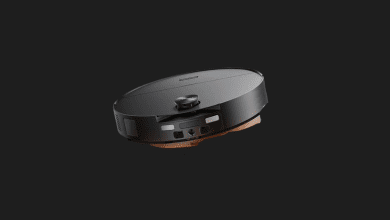
I’ve been glued to my screen all week, and honestly, if you thought the AI hype was going to slow down in 2026, Las Vegas just proved us all wrong. CES 2026 felt like the official “graduation ceremony” for artificial intelligence—it’s no longer just a chatbot on your phone; it’s now driving your car, managing your health, and even looking you in the eye through a holographic display.
I’ve spent the last few days digging through spec sheets, watching robot demos, and tracking the latest controversies. There’s a lot to unpack, from Nvidia’s mind-blowing new architecture to the ethical rollercoaster at xAI. Let’s dive into what really mattered this week.
The Grok Controversy: Freedom vs. Responsibility


Let’s start with something that’s been buzzing all over my X (formerly Twitter) feed. Elon Musk’s xAI found itself in hot water again. Last week, they gave Grok the ability to “undress” photos of real people. I don’t know about you, but that felt like a disaster waiting to happen. Predictably, it took about five minutes for the platform to be flooded with non-consensual images, leading to a massive outcry from users and governments like India and the UK.
What’s the status now? I noticed xAI finally blinked. They’ve restricted the image generation and editing tools to paid X subscribers only. While this might slow down the spam, I can’t help but wonder if it’s a “too little, too late” move. Interestingly, if you use the standalone Grok app, these restrictions haven’t fully kicked in yet. I think we’re going to see a lot more legal pressure on “unfiltered” AI in the coming months.
Nvidia Rubin: The New King of AI Infrastructure

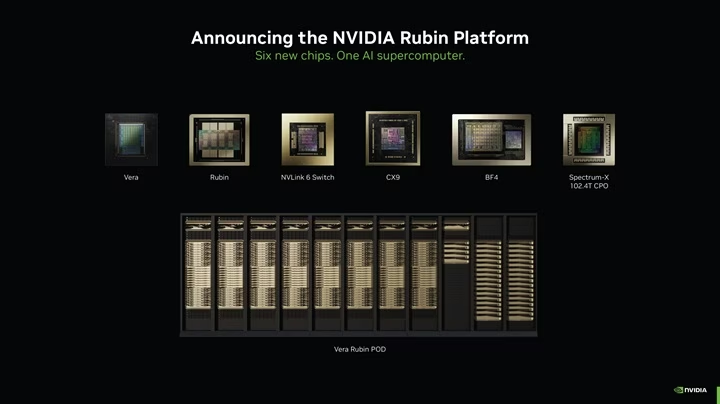
Just when we were all getting used to the power of the Blackwell architecture, Nvidia decided to remind everyone why they own the market. At CES 2026, they unveiled the Rubin platform, and the numbers are honestly hard to wrap your head around.
I was looking at the performance jumps, and we’re talking about a 5x increase in inference performance compared to Blackwell. Here is a quick breakdown of why the Rubin GPU is a monster:
- Processing Power: It delivers 50 PFLOPs for inference and 35 PFLOPs for training.
- Memory Bandwidth: It moves to HBM4 technology, offering 22 TB/s of memory bandwidth. That is nearly triple what the previous generation could handle.
- The Ecosystem: It’s not just a chip; it’s a full stack including the Vera CPU and BlueField-4 networking.
I believe this is the moment where “real-time” AI agents become truly viable at scale. When you have this much raw power, the latency in AI conversations might finally disappear.
The Rise of the Machines: Humanoids at CES 2026

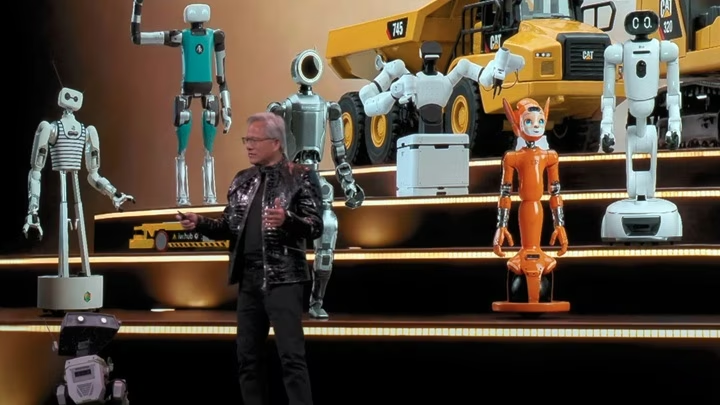
If you were in Las Vegas this week, you probably felt like you walked into a Cyberpunk movie. This was the year of the humanoid robot. While many companies showed off prototypes, Boston Dynamics’ Atlas was the undisputed star.

I’ve followed Atlas for years—from its “clumsy” backflip days to this. Now, it’s finally ready for mass production. Hyundai announced they’ll be deploying thousands of these units in the coming years. Watching the production-ready Atlas move—no longer tethered, sleek, and eerily fluid—makes me think the “labor shortage” in manufacturing might look very different by 2027.
Bixby Finally Gets a Brain Transplant

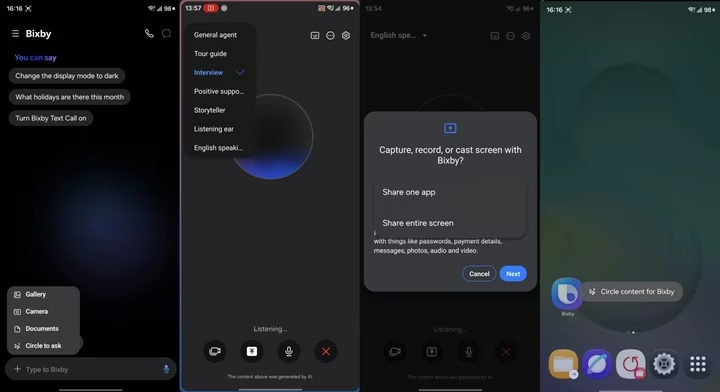
I’ll be honest: I had almost given up on Bixby. But Samsung’s announcement this week actually has me excited to pick up a Galaxy again. They are integrating Perplexity AI into a completely revamped Bixby for One UI 8.5.
What makes this “New Bixby” different?
- Multi-App Awareness: It can pull data from Uber, Skyscanner, and HERE Maps simultaneously to plan a trip for you.
- Bixby Live: You can share your camera view in real-time, and the AI will “look” at what you see and talk to you about it.
- Contextual Memory: It actually remembers what you said three sentences ago.
It’s clear Samsung realized that being a “phone company” isn’t enough; they need to be an “AI agent” company.
Healthcare Gets Personal with ChatGPT Health

OpenAI made a strategic move this week by launching ChatGPT Health. I’ve always been wary of sharing medical data with AI, but they’ve designed this as a completely isolated silo. Your health chats don’t mix with your regular GPT history.
I find the integrations particularly interesting. You can link:
- Apple Health
- Peloton
- MyFitnessPal
- Function (for lab results)
While they keep reminding us “this is not a doctor,” having an AI that can analyze your blood work trends alongside your sleep data from your Apple Watch is a game-changer for preventative health.
Razer’s Holographic Dreams: Project Ava

Razer always brings something “wild” to CES, and Project Ava is exactly that. It’s a transparent cylinder that houses a holographic avatar. Instead of just talking to a speaker (like Alexa), you’re talking to a 3D figure that reacts and moves.
I think this is a glimpse into the future of “AI companionship.” Whether it’s for streamers who want a digital co-host or just a more interactive desk assistant, seeing a “face” for the AI makes the interaction feel significantly more human. It’s still a concept, but I’d love to have one on my desk.
The Hardware War: AMD AI Halo vs. Nvidia
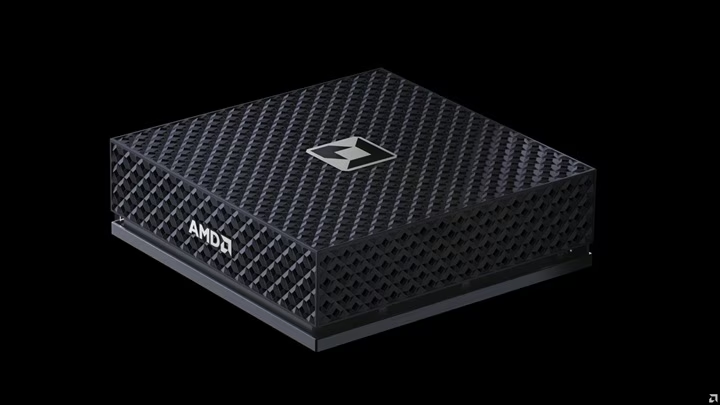
AMD isn’t letting Nvidia have all the fun. They introduced the Ryzen AI Halo Mini PC, specifically designed to compete with Nvidia’s DGX Spark.
This little box is a beast for developers. It packs:
- Up to 16 CPU cores.
- 40 GPU Compute Units.
- Support for 128 GB of LPDDR5X-8533 memory.
For a researcher or a small startup wanting to train local models without spending $40,000 on a server, this “Halo” might be the perfect middle ground.
New Tools You Should Try This Week
I spent some time playing with the new releases, and these four stood out:
| Tool | Company | What it does |
| UniVideo | Kling AI | Incredible multi-modal video editing using text/images. |
| DreamStyle | ByteDance | Turns your boring videos into high-quality anime or sketches. |
| LTX-2 | Open Source | One of the fastest open-source video generation models yet. |
| GaMo | Research | Creates full 3D environments from a single 2D photo. |
Quick Bites: What Else Happened?
- DeepSeek V4: The Chinese powerhouse is launching its coding-specific model in February. Early tests suggest it might actually beat GPT-4o in Python tasks.
- Copilot Checkout: Microsoft added a feature where you can buy products directly inside the chat. No more navigating 10 different tabs to buy a pair of shoes.
- The $3 Trillion Investment: A new report suggests the world will spend 3 trillion dollars on data centers by 2030. The energy demand is going to be the biggest challenge of our decade.
- TEKNOFEST 2026: Applications are open! If you’re in Turkey or plan to be, the finals in Şanlıurfa are going to be a massive showcase for local AI talent.
- AMD Instinct MI500: Coming in 2027 with a 2nm process. The hardware race is only getting faster.
Final Thoughts
This week felt like a turning point. We are moving away from “AI as a toy” and into “AI as infrastructure.” Between the power of Nvidia’s Rubin and the physical presence of robots like Atlas, the world is starting to look a lot more like the sci-fi novels I read as a kid.
But I have to ask: With robots like Atlas ready for mass production, do you feel excited about them helping in our daily lives, or does the idea of thousands of humanoids walking around make you a bit uneasy?
I’d love to hear your thoughts in the comments!
You Might Also Like;
- The Mystery of the Far Side: What Is Hiding in the Lunar Shadows? | Metaverse Planet
- The Doomsday Clock Hits 85 Seconds to Midnight: Are We Out of Time?
- Nvidia’s AI Can Now Predict the Future (Of Weather)
-

-

-
-
-
-

-

-
-

-
-
-