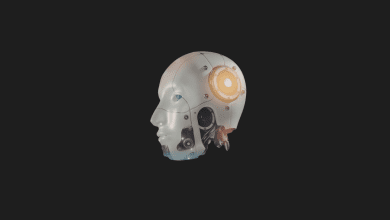
For centuries, humanity has looked to the stars and wondered about the origins of our universe. Today, that question is colliding with a new frontier: artificial intelligence. If AI can already generate art, music, and digital worlds, could it one day create entire universes—complete with their own laws of physics, galaxies, and intelligent life?
From Simulations to Universes

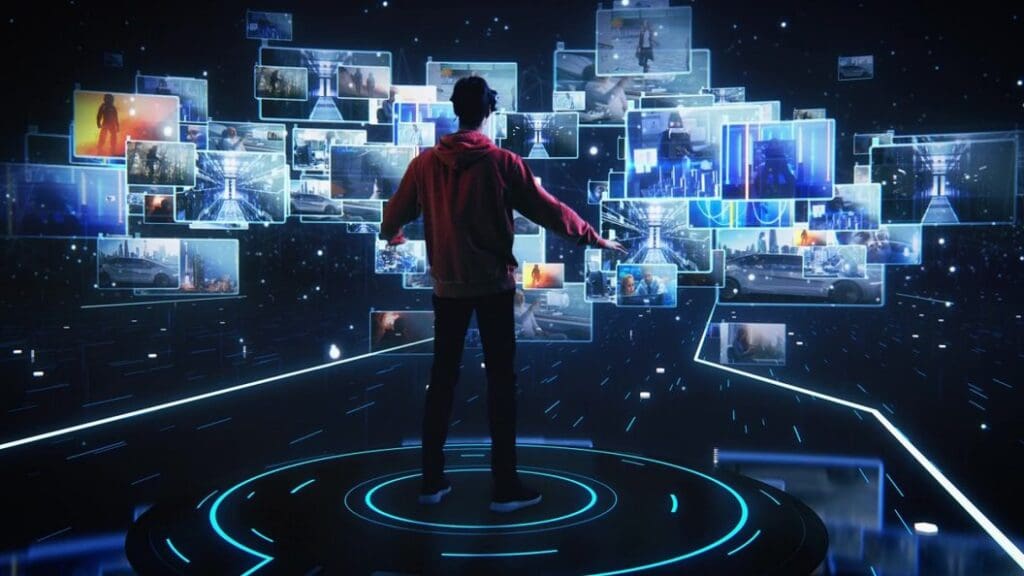
Modern AI is already capable of simulating highly complex systems, from predicting climate patterns to modeling biological processes. In video games and virtual reality, AI helps generate immersive digital worlds that feel increasingly realistic. While these are small in scale, the principle remains the same: AI can design environments with rules and behaviors that mimic reality.
But what if we scaled this up? With enough computing power, AI could, in theory, generate a self-consistent universe—a digital cosmos with stars, planets, and perhaps even simulated beings that perceive themselves as real.
The Simulation Hypothesis


Philosophers and scientists, including Nick Bostrom, have proposed the famous Simulation Hypothesis: the idea that our own reality could be an advanced simulation created by a higher intelligence. If true, then building AI-generated universes might not just be possible—it might already have happened.
Statistically, some argue, the number of simulated universes could eventually outnumber “real” ones. That means the odds we’re inside a base reality could be lower than we think.
The Science and the Barriers

To create a true AI universe, we’d need unimaginable computing power—far beyond what exists today. Simulating even a small corner of reality at atomic resolution would require processing speeds trillions of times greater than our most advanced supercomputers. Quantum computing may play a role in bridging this gap, but the challenge remains enormous.
There are also philosophical questions:
- Would simulated life be conscious, or just a sophisticated illusion?
- Who gets to design the rules of such a universe?
- And ethically—should we create beings capable of suffering, even in a digital reality?
Why It Matters
Even if building entire universes sounds like science fiction, exploring these ideas pushes the boundaries of physics, AI research, and philosophy. It forces us to rethink what reality means and whether artificial intelligence could someday act not just as a tool, but as a cosmic architect.
Final Thought
We may be centuries away from AI-created universes—or perhaps we are already living in one. Either way, the possibility challenges our understanding of existence itself.
⚡ If you had the chance to design your own universe, would you make it more perfect than this one… or would you let chaos shape it, just like ours?
You Might Also Like;
- The End of Darkness? Neuralink’s “Blindsight” is Ready for Its First Human Patient
- Sci-Fi Marathons: The Best Short Series on Netflix for a Weekend Binge
- Is Game Over for Game Devs? Google’s Project Genie Shakes the Industry
-

-

-

-

-
-

-

-
-
-

-
-