
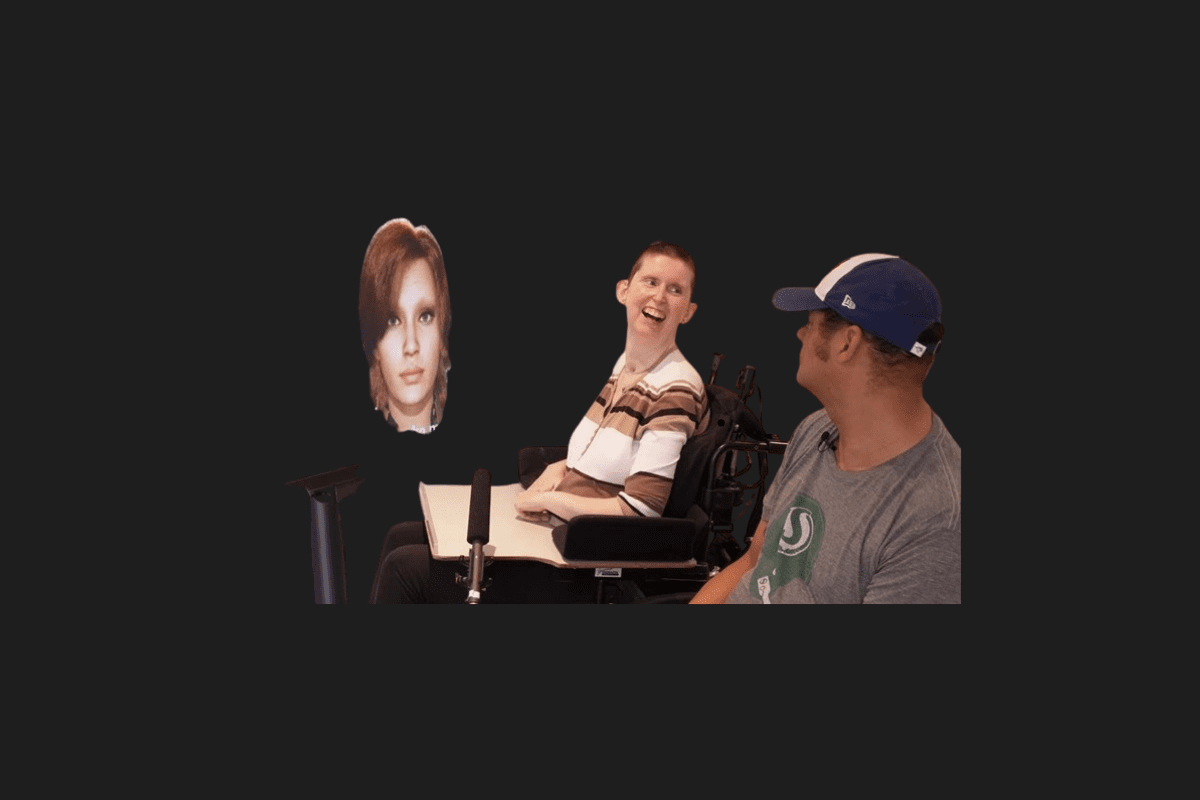
Ann Johnson, a high school teacher from Canada, lost her ability to speak 18 years ago after suffering a brainstem stroke. However, she has now regained this ability and can speak in her own voice almost in real-time, thanks to an AI-powered brain-computer interface (BCI).
How It Works


Johnson participated in a clinical trial to restore speech in severely paralyzed individuals. An implant was placed in the speech production area of her brain. When Johnson attempts to speak, signals from the speech motor cortex are detected by this implant and sent to a connected computer.
- AI Decoder: The signals are then converted into text, speech, or animation with a digital avatar by an AI-powered decoder.
- Reduced Latency: Initially, there was an 8-second delay, but a new architecture published in the journal Nature Neuroscience has reduced this to just 1 second.
- Voice Reconstruction: Scientists synthesized audio recordings from Johnson’s wedding speech to reconstruct her own voice. This allowed the digital avatar to not only convey facial expressions but also imitate Johnson’s voice.
Future Goals


Researchers aim to turn these neuroprosthetics into “plug and play” clinical tools, moving them from experimental systems to standard medical devices. Future developments include wireless implants and the creation of photorealistic avatars or “digital clones” that not only replicate a user’s voice but also their mannerisms and visual cues.
This groundbreaking system could help a small but vulnerable population who have lost the ability to speak due to conditions like stroke, ALS, or severe injury to communicate faster and more naturally.
You Might Also Like;
-

-

-
-

-

-

-

-

-

-

-

-

